"Merchant ships should not be targeted," the Bulgarian Prime Minister said
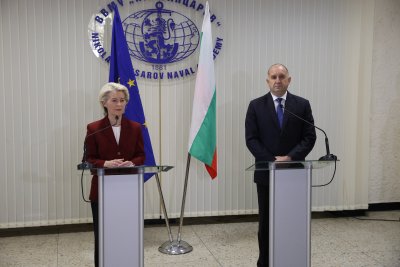
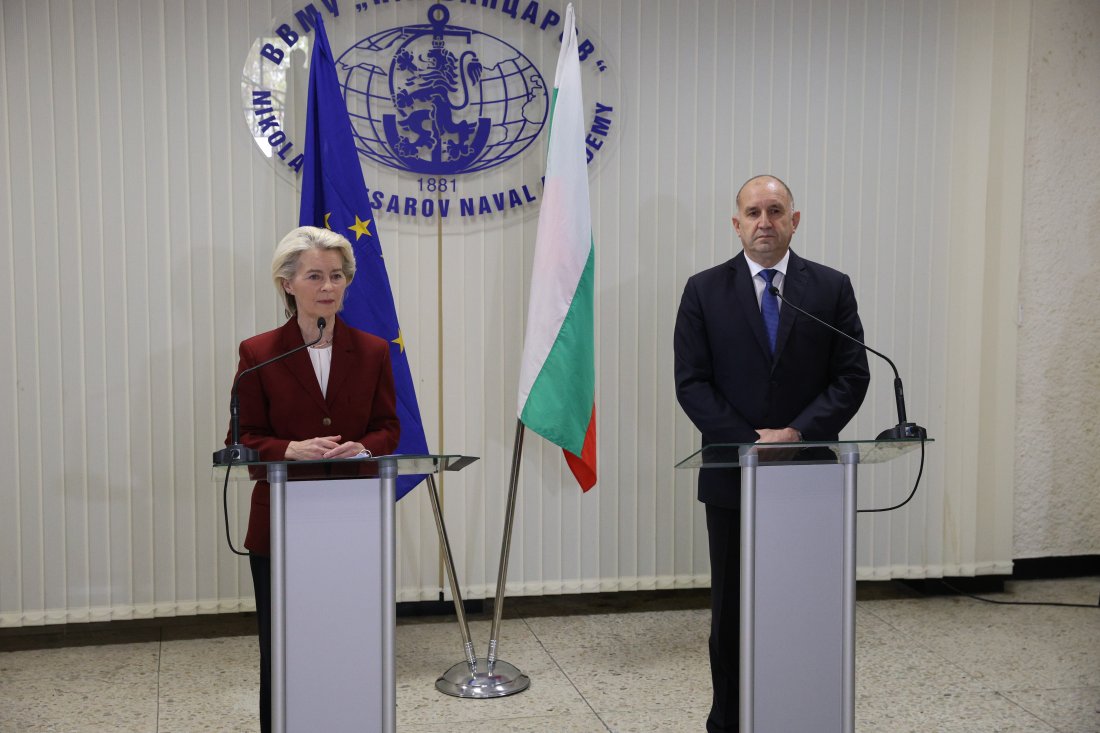
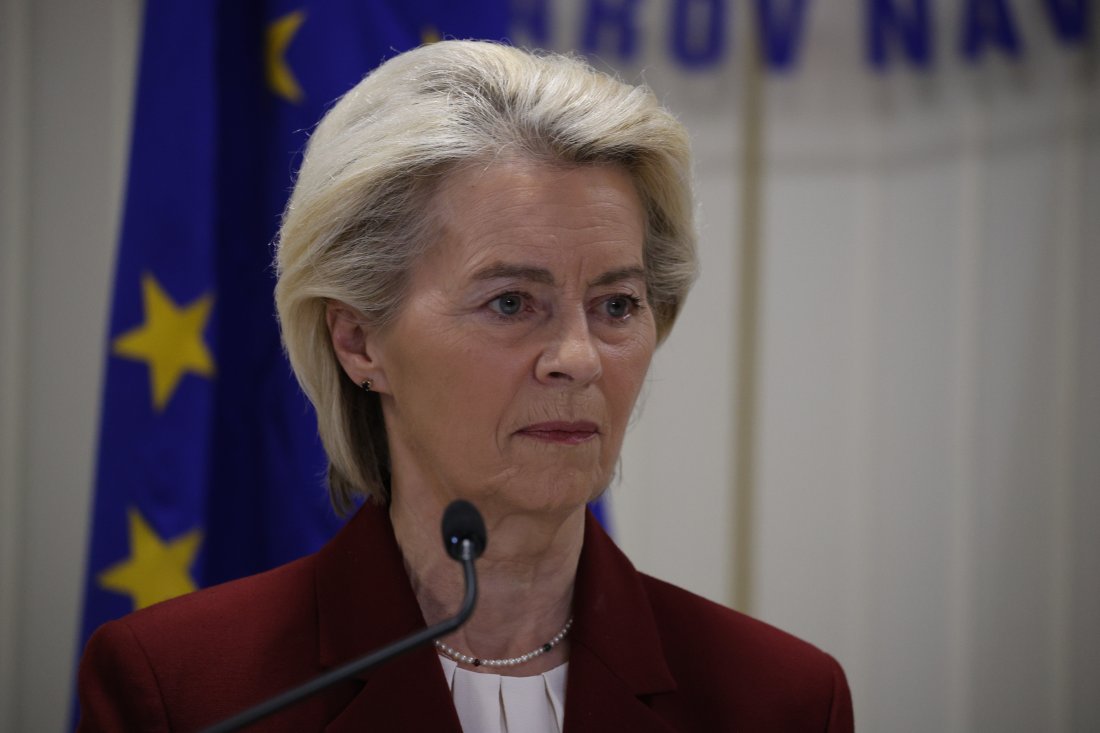
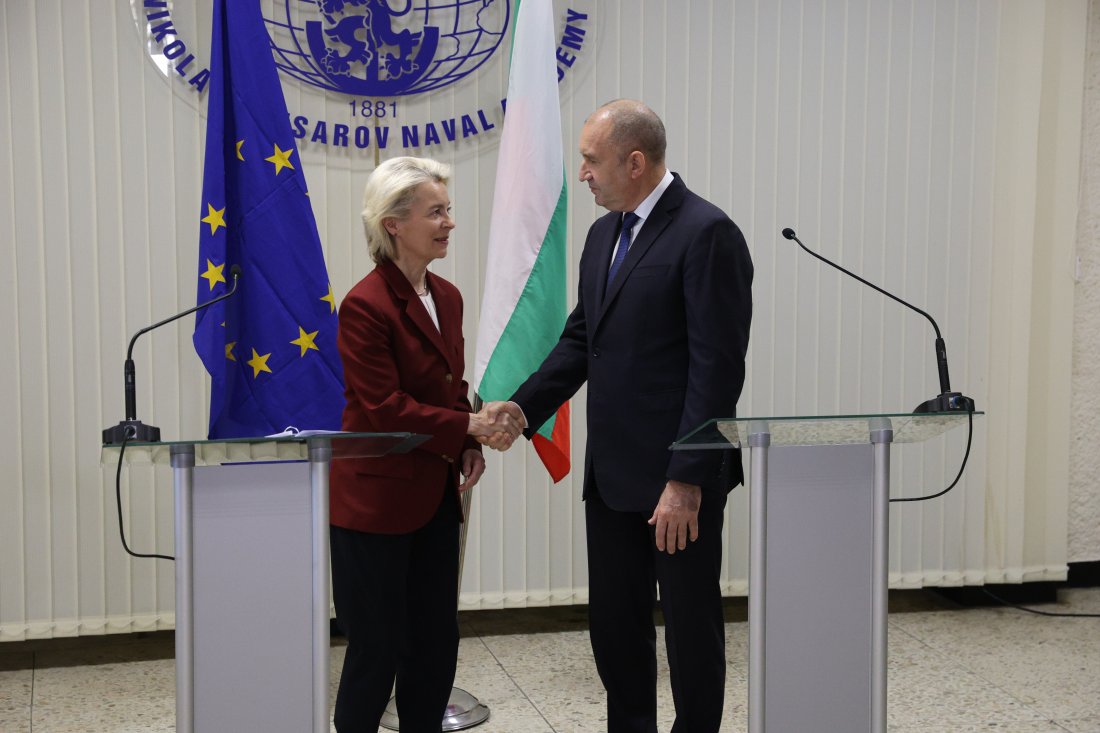
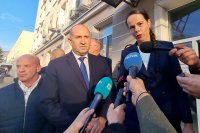
European Commission President Ursula von der Leyen is on a working visit to Bulgaria. The visit is part of her tour focused on security issues in the Black Sea region, as well as the need to protect maritime transport routes. In Bulgaria, von der Leyen was welcomed by Prime Minister Rumen Radev in Varna. The two visited the “Nikola Yonkov Vaptsarov” Naval Academy. Afterward, they made a statement to the media.
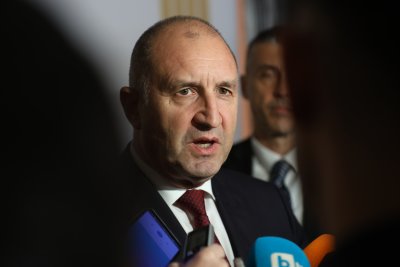
Prime Minister Rumen Radev expressed his gratitude to European Commission President Ursula von der Leyen for her visit to Bulgaria.
Rumen Radev, Prime Minister of Bulgaria: “I would like to thank the President of the European Commission for sending a clear message of solidarity by being here today. That Bulgaria is not alone in facing the challenges it is currently facing.”
Radev added that it was precisely at the Naval Academy that they were briefed on the challenging situation in the Black Sea region.
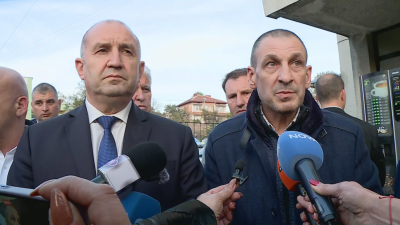
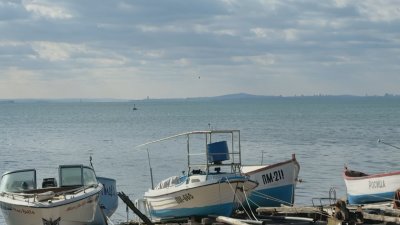
Rumen Radev, Prime Minister of Bulgaria: “More sailors have died in the Black Sea in one month than in eight months in the Strait of Hormuz. These attacks are absolutely unacceptable; sailors are not a party to an armed conflict, and merchant ships should not be targeted. To put an end to this brutal violation of maritime law and international law, one thing is clear: there must be peace. For there to be peace, there must be a ceasefire and active diplomacy.”
Radev clarified that Bulgaria is not alone in these efforts. From the very first hours of the attacks on merchant ships in our exclusive economic zone, he had been in constant contact with the President of the European Commission. The Prime Minister thanked the leadership of the European Commission and all European leaders for their support of the moratorium on attacks against civilian ships in the Black Sea, proposed by him and the President of Romania. He also expressed his gratitude to all Bulgarian crews who acted with exceptional self-sacrifice in a very difficult situation to save human lives. He assured that we are continuing our efforts toward diplomacy and achieving peace.
Rumen Radev, Prime Minister of Bulgaria: “In Bulgaria, we have fully mobilized our capabilities. We are deploying our active assets—aircraft, ships, border police, and drones. We have also received assurances regarding maritime patrol aircraft from our allies, the United States and France. For us, the Black Sea is not just territorial waters and an exclusive economic zone. It is an external border of the European Union—a border that we guard just as we guard our land border.”
The Prime Minister also expressed his personal gratitude to European Commission President Ursula von der Leyen for responding in 2023 to Bulgaria’s call for greater support in protecting our land and maritime borders. Her decision led to the allocation of a €600 million financial package prioritized for Bulgaria, as a result of which Bulgaria has extremely successfully strengthened the protection of our border.
Rumen Radev, Prime Minister of Bulgaria: “For Europe to succeed in ensuring its own security, it must develop a strong industrial base, science, and defense technologies, which are fully in line with the European Union leadership’s vision for the future of Europe.”
The Prime Minister added that in today’s challenging security environment, with supply chain disruptions, it is critically important for Europe to develop greater connectivity with Central Asia, the Caucasus, and the Gulf states. The Prime Minister stated that he would be delighted to welcome the President of the European Commission back to Varna for the first-of-its-kind Connectivity Summit.

European Commission President Ursula von der Leyen stated that the European Union will strengthen its support for monitoring in the Black Sea region. One option is the use of satellites from the “Copernicus” program, whose contribution to monitoring is growing significantly.

Photos: BTA
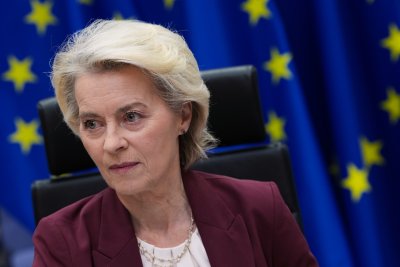
Ursula von der Leyen, President of the European Commission:"We know the intention behind these attacks is to spread fear. But we are building resilience across the EU, and you can count on a united response. We discussed the possibility of strengthening and supporting our surveillance efforts in the Black Sea region. Copernicus satellites can also be used for this purpose. Since September, the number of images downloaded has doubled, demonstrating the programme's significant contribution.
"We also discussed the need to strengthen security in the information space. We are facing considerable pressure from attempts to manipulate information. We have an extremely clear response to this: resistance. This is why, a few months ago, we established a European Centre for Democratic Resilience. Today, we reaffirmed the commitment of the Bulgarian authorities to participate in and contribute to these efforts."
'Vazrazhdane' Supporters Staged a Protest against Ursula von der Leyen's Visit to Bulgaria
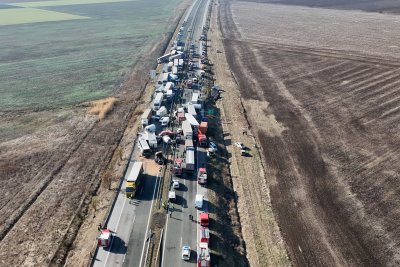
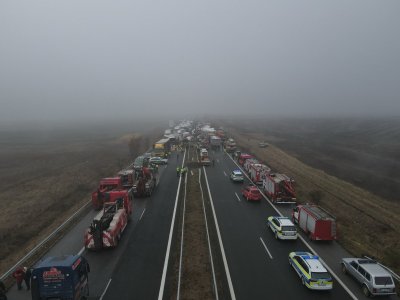
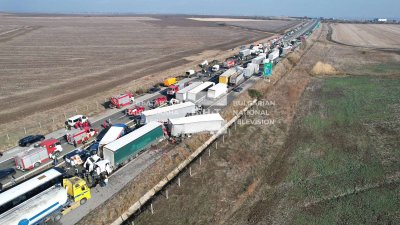
Bulgaria Declares November 11 as Day of National Mourning for Victims of Trakia Motorway Pile-Up
10 следователи ще търсят причините за катастрофата на АМ „Тракия“ (ОБЗОР)
11 станаха жертвите при тежката катастрофа край Зимница, утре е ден на траур
Министерство на здравеопазването: 11 са загиналите при катастрофата на магистрала "Тракия"