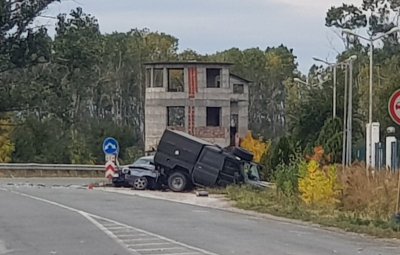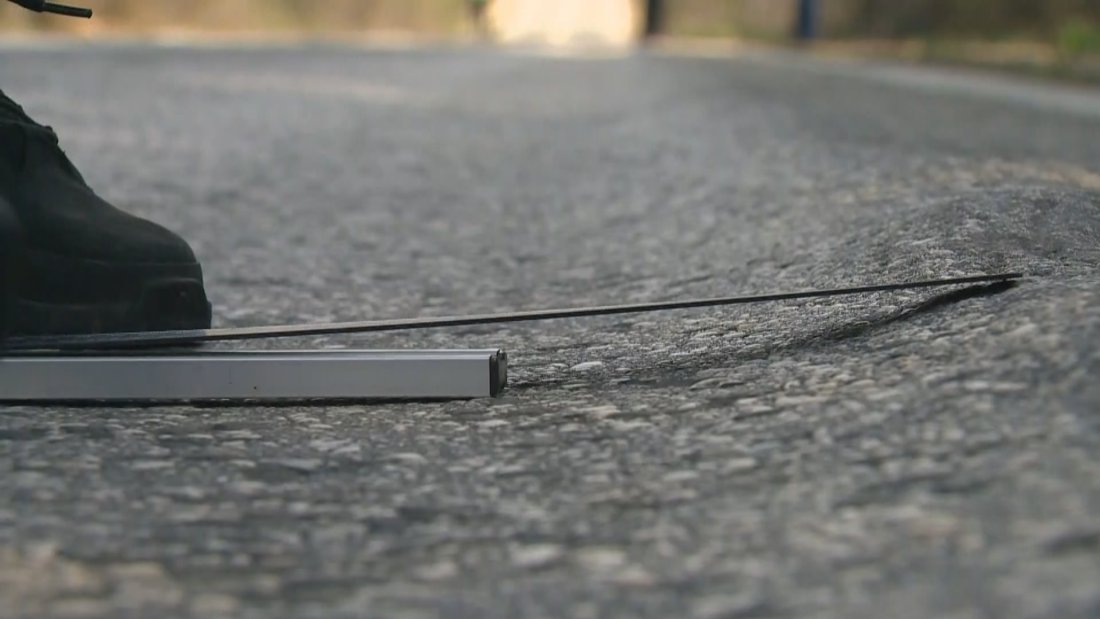
A new inspection is carried out of the fatal stretch of the road near Telish where 12-year-old girl Siyana died in a crash. The investigators have taken samples of the road surface.
These are samples that will be examined to determine the quality and thickness of the asphalt and the asphalt covering before the accident.
A team from the European Transport Policy Centre also arrived at the scene.
From their findings, it became clear that the Road Agency's written statement that the road was in good operating condition was not justified.
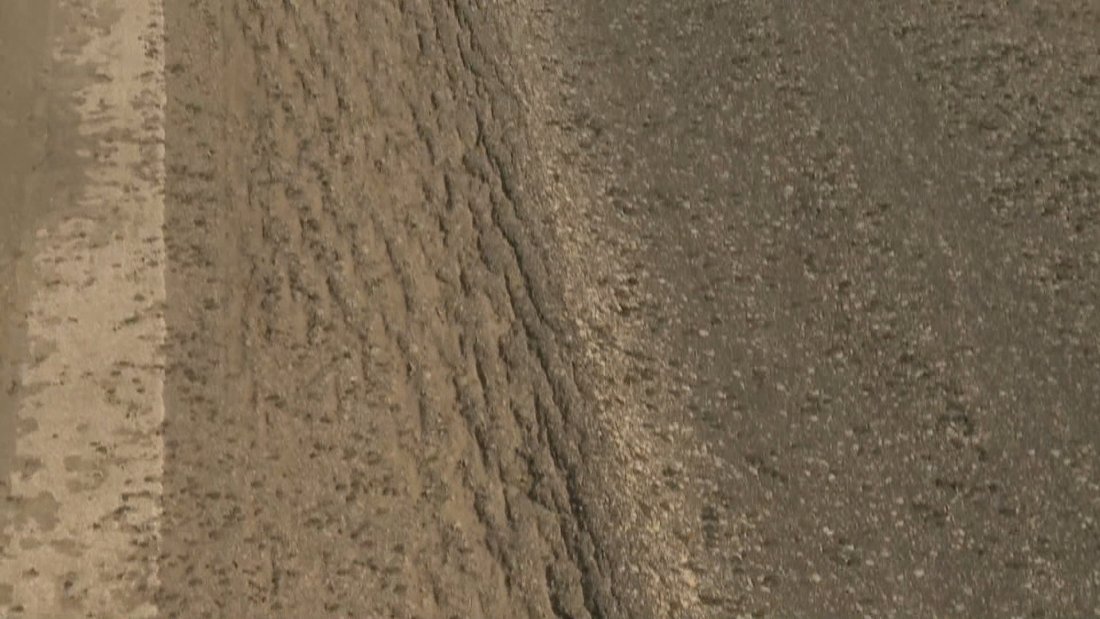
What is immediately noticeable is that in some places, the ruts formed in the 20-year-old asphalt by the trucks are so deep that water cannot pass smoothly towards the shoulder and from there to the ditches, which creates a danger of aquaplaning.
In some areas, the signs are more than 10 years old. Regulations require them to be replaced after 10 years.
The road markings also do not meet the requirements. It is confirmed, and so far it remains one of the leading theories, that the patches on the road are one of the main causes of this tragic incident.
The investigative actions continue, and it is unclear how long the road will remain closed. Traffic towards the capital is being redirected via alternative routes.


 President Iotova: Bulgaria and Romania Will Insist that Black Sea Security Be Added as Extraordinary Item to the Agenda of the Upcoming European Council Meeting
 Following Black Sea Drone Attacks, Prime Minister, Ministers and Security Chiefs Answered Questions in Parliamentary Hearing
 След атаките в Черно море: Премиерът, министри и службите на изслушване в НС










 Чуй новините
 Подкаст