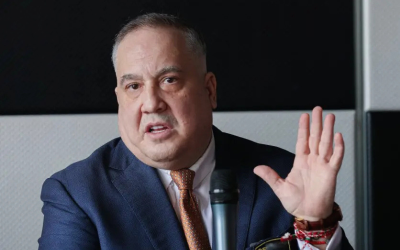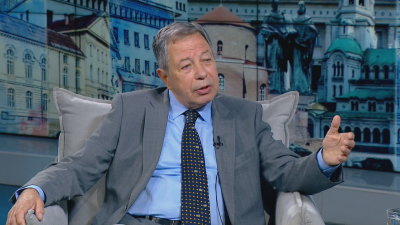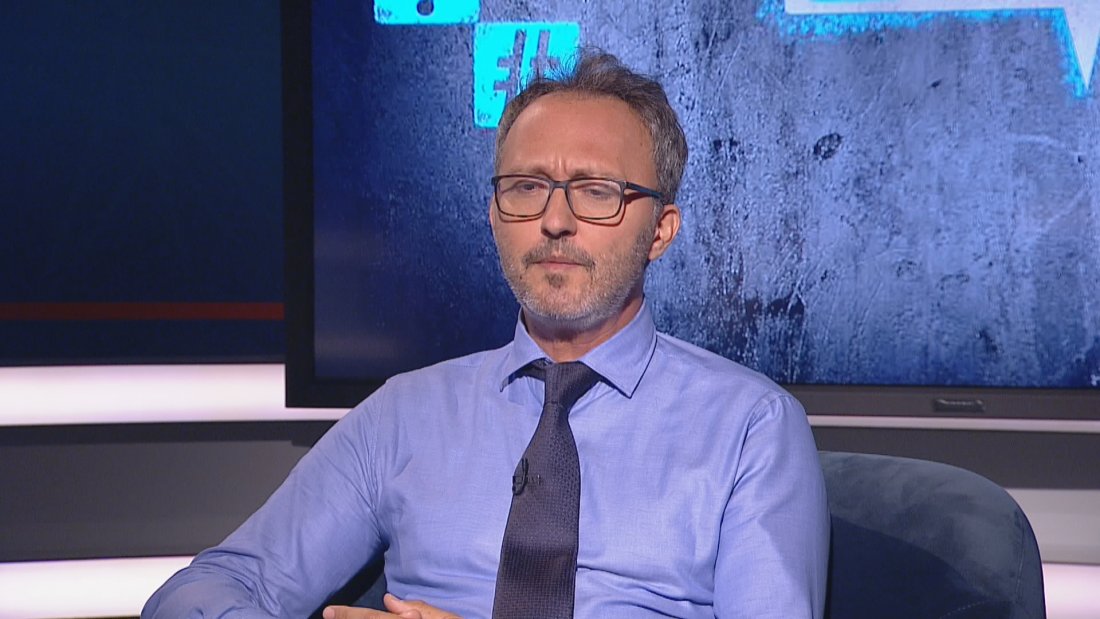
Bulgaria’s economy is highly vulnerable to external shocks, according to Aleksandar Popov, who works in the European Central Bank’s monetary policy research division and is a member of Bulgaria’s Council for Economic Analysis.
Speaking to BNT, Popov said that borrowing to finance pensions or social benefits is an unacceptable approach, arguing that such expenditures should be covered by government revenues, while debt should be directed towards areas that can generate economic growth.
Asked what an excessive deficit procedure would mean for the country and its citizens, Popov said:
Aleksandar Popov: “We will be under a microscope. There will be more frequent meetings with us, and we will be required to present a plan for resolving the problem. Although my advice is not to panic, it would be wrong to pretend that nothing has happened. The greatest risk is reputational. We may rank last in many areas, but one of the things in which we were champions was fiscal discipline.”
Asked whether taking on new debt is acceptable in conditions of an excessive deficit, Popov replied:
Aleksandar Popov: “It is not prohibited. Debt is a separate category from the deficit.”


 PM Rumen Radev: German Investments Are a Driving Force Behind Bulgaria's Industrial Development and Bring Successful Business Models into the Economy
 Eurostat: Bulgaria Records EU’s Fastest Rise in Fuel Prices for Second Consecutive Month
 ЦИК при обработени 7,37% СИК протоколи: Йотова и Гюров отиват на балотаж на 1 ноември (ОБНОВЯВА СЕ)
 Историческа победа за студентите, Вучич призна загубата си на парламентарните избори в Сърбия










 Чуй новините
 Подкаст