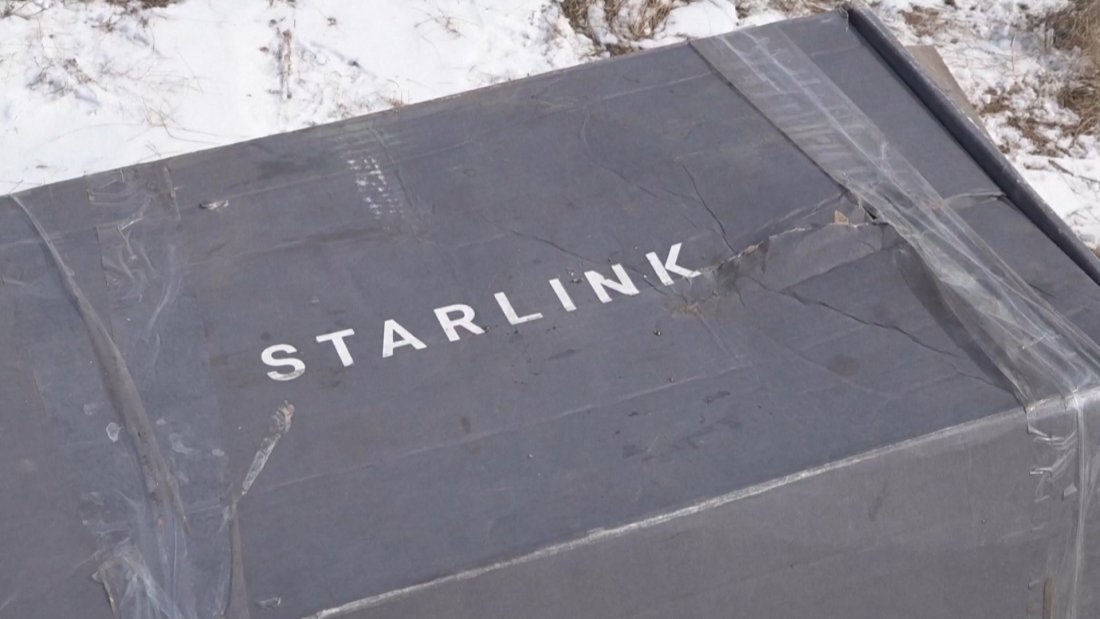
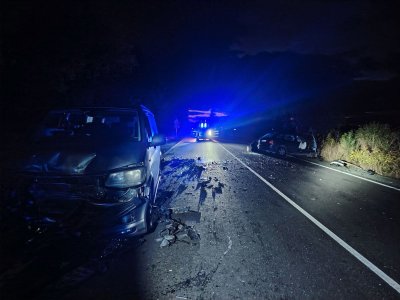
Two German nationals accused of setting fire to Starlink antennas near Sofia are to be sought under European arrest warrants. Investigators say the operation was planned and carried out within just a few hours while the two men were in Bulgaria. The case bears similarities to incidents involving torched antennas and the detention of suspects in Poland and Lithuania.
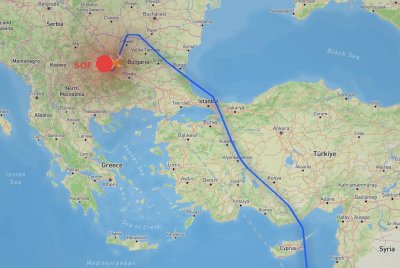
Zeka Islam and Tirpan Beytula entered Bulgaria through the Kalotina border crossing at 5.37 pm on 9 October. They told border officials that they were travelling for tourism. The two were in a car with German registration plates.
A few hours later, they reached the Plana Teleport, south of Sofia. At around 10.25 pm, they set fire to the Starlink antennas. According to the prosecution, they wore face coverings and gloves. The fire engulfed the equipment within minutes: three antennas were completely destroyed, two were partially destroyed and three were seriously damaged.
After attacking the strategic site, the two men headed back towards Serbia. Their timing was meticulously planned. At 11.55 pm, they left Bulgaria through the Kalotina border crossing. Their trail goes cold from that point onwards.
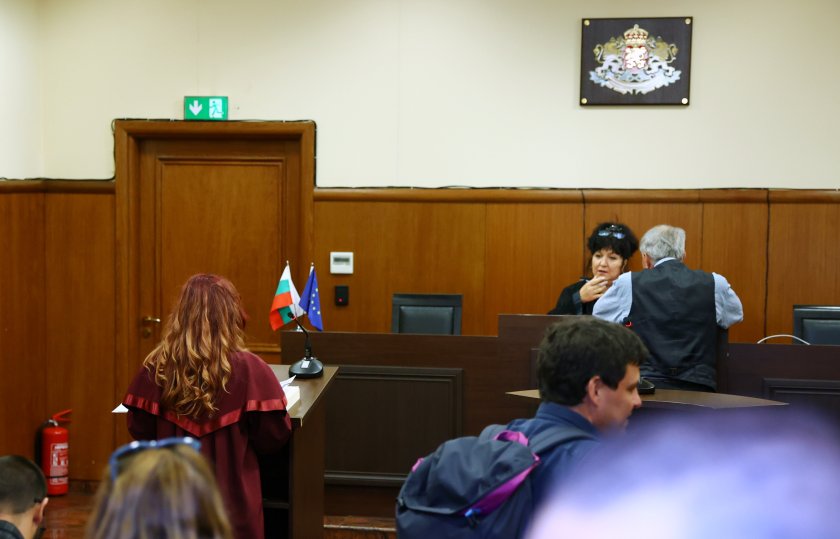
Police are still blocking access to the site, while local residents say they did not see anyone suspicious that night.
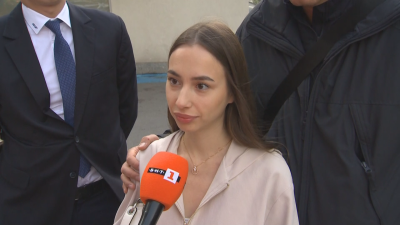
“No people. We saw the fire engines when the incident happened.”
BNT: Are you afraid?
“Personally, no. Some people are afraid.”
“There’s no trouble otherwise, but after what happened here… We only know what they tell us on television.”
The court-appointed defence lawyers for the two German nationals argue that the case contains insufficient evidence to identify the perpetrators of the arson.
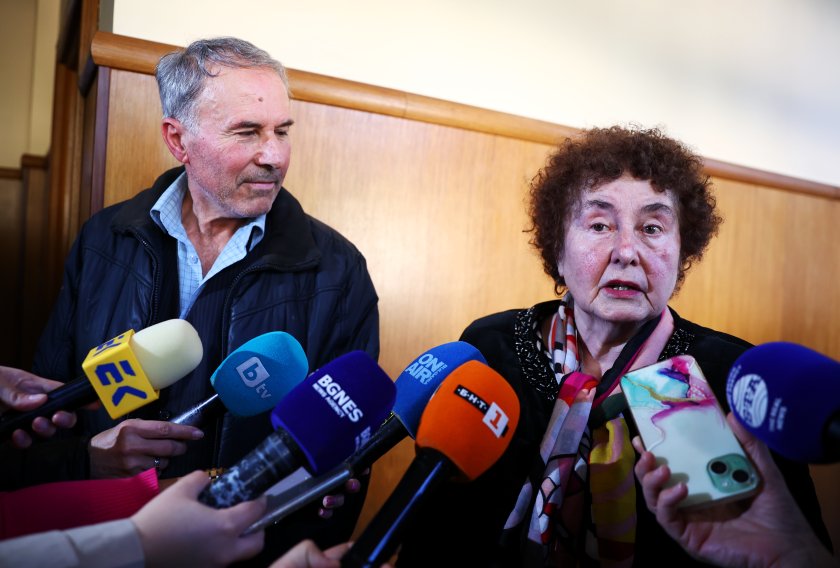
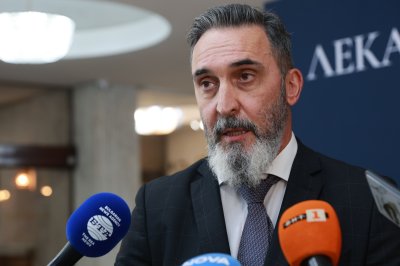
Jeanette Manasieva, court-appointed defence lawyer: “We believe the reasonable suspicion is questionable, because the photographic evidence shows two people whose faces cannot be seen.”
Zdravko Stoychev, court-appointed defence lawyer: “There are no identifying features that would allow us to say these are the people. It is dark. They cannot be seen. But they are wearing camouflage clothing.”
The prosecution says the movements of the vehicle have been conclusively established.
Zdravko Stoychev, court-appointed defence lawyer: “The only information in the case file is that the car has German registration plates and belongs to a citizen of Kosovo. Whether they rented it, who was driving it or whether those people were our defendants – none of this can be proved.”
It also remains unclear what Islam and Beytula did for a living or which German city they lived in.
Zdravko Stoychev, court-appointed defence lawyer: “We know nothing about them because neither my colleague nor I have been in contact with them, so we do not know their social circumstances, professions or what they do.”
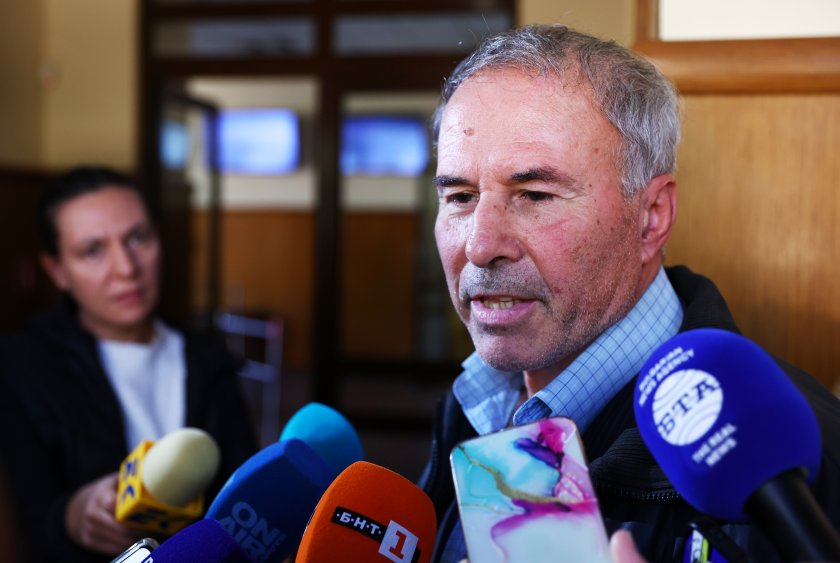
Photos: BTA
According to Lithuanian authorities, the incidents in Poland, Bulgaria, and Lithuania are linked to a coordinated wave of sabotage.
Experts say the incidents are a clear sign that Russia’s hybrid warfare is entering a new phase, involving direct acts of sabotage against critical infrastructure on NATO territory. German authorities have already detained four suspects over the arson attack in Poland, while investigations into the attacks in Lithuania and the large-scale deliberate fire near Sofia are continuing.








 Чуй новините
 Подкаст