
ИЗВЕСТИЯ

Моите новини

ЗАПАЗЕНИ

NSI Reports 3.2% GDP Growth for Bulgaria in Q3 2025

bnt avatar logo от БНТ
A+ A-
Чете се за: 03:25 мин.
EN
нси 3785 млрд държавният дълг 2022 дефицитът бвп

The National Statistical Institute (NSI) reports that Bulgaria’s Gross Domestic Product (GDP) grew by 3.2% in the third quarter of 2025 compared with the same quarter of 2024.

Seasonally adjusted data also show a 0.7% quarterly increase compared with Q2 2025.

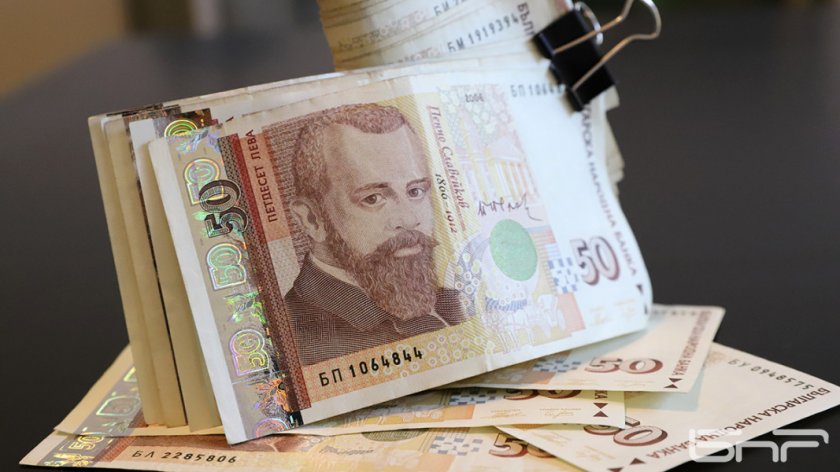
At current prices for the period, nominal GDP is estimated at around 62.659 billion leva, according to the NSI’s preliminary (flash) estimates.

Growth Structure — Which Sectors and Components Are Driving the Economy?

Gross value added is increasing, signalling a real expansion in the productive capacity of the economy.

Final consumption remains the largest component of GDP and continues to be the primary driver of growth.

Investment (gross fixed capital formation) is rising, indicating that growth is coming not only from consumption but also from capital accumulation.

The industrial sector is expanding, with its relative share in gross value added increasing.

What This Means — Economic Context and Interpretation
A 3.2% real GDP growth rate is a solid result — notably higher than the average for many EU countries in 2025 (European statistics show more modest growth across the EU and the euro area).

Although inflation and global geopolitical factors can reduce the net effect of growth, the real increase indicates that the economy is genuinely expanding in volume, not just in prices.

Higher nominal GDP and increased value added mean Bulgaria’s macroeconomic base is strengthening, which can support greater investment, public spending, infrastructure development, and wage growth.

However, if growth is driven mainly by consumption and investment, while exports remain a weaker contributor, this suggests the economy is not yet export- or industry-led. The external sector is not the main engine of growth at this stage.

If you are preparing an analysis or report on Bulgaria’s economic situation, these data indicate that by the third quarter of 2025 the country is experiencing steady growth.

In the context of topics such as eurozone accession, economic forecasting, sustainability, and macroeconomic stability, this growth can be interpreted as a signal that Bulgaria is on a relatively stable and dynamic trajectory.

Последвайте ни

ТОП 24

Най-четени

Product image
Новини Чуй новините Спорт На живо Аудио: На живо
Абонирай ме за най-важните новини?