

ИЗВЕСТИЯ

Моите новини
Автобус скъса мантинела на булевард „Цариградско...
Чете се за: 02:05 мин.

ЗАПАЗЕНИ

"20 Leva Became 20 Euros" – How the New Currency Has Changed Bulgarians' Financial Habits?

bnt avatar logo от БНТ
A+ A-
Чете се за: 03:45 мин.

EN

Many people feel like their money runs out faster and that they're spending twice as much

чака ефир лева станаха евро ndash новата валута промени финансовите навици българина
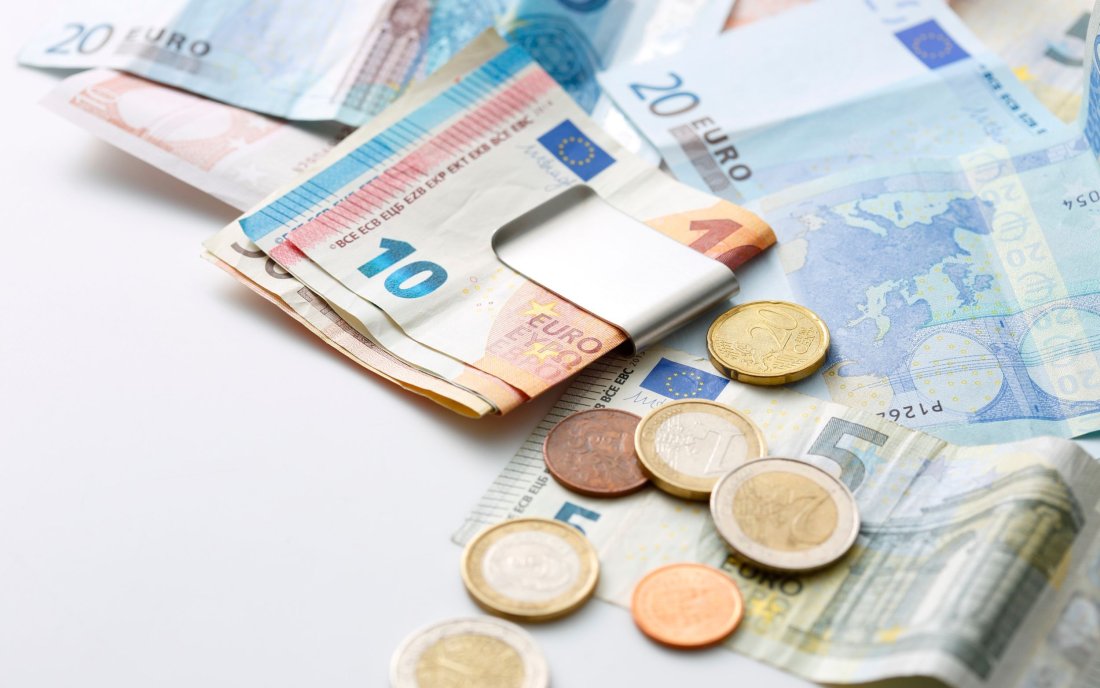
Снимка: илюстративна

Nearly seven months after Bulgaria adopted the euro, how has the new currency changed people’s financial habits? Economists report that household deposits have increased by almost 20%, reaching nearly €55.7 billion by the end of March. Consumer lending has also risen. Despite this, many people feel their money runs out more quickly and that they are spending twice as much.

Evgeniya says her family's expenses have doubled since the introduction of the euro.

Evgeniya Alexandrova: "Because many prices were almost converted directly from leva into euros. Twenty leva became 20 euros."

Tsanka Peneva: "We still buy the same things we used to, even though they are more expensive."

Saving, however, is becoming increasingly difficult.

Kiril: "People need to earn more if they are to save. How else can they save? At the moment, it's almost impossible."

The statistics, however, tell a different story. In the space of a year, household deposits have risen by almost 20%. Economists say this does not necessarily mean people are saving more, but rather that lev banknotes previously kept outside the banking system have now been deposited.

Petar Ganev, Senior Research Fellow at the Institute for Market Economics: "We know that more than 90% of the lev banknotes in circulation ended up in the banks and were ultimately withdrawn from the central bank. Some of that money had most likely been kept in bags, and so on."

Consumer lending has also increased since the beginning of the year.

Petar Ganev, Senior Research Fellow at the Institute for Market Economics: "This growth in lending ultimately fuels consumption and, to some extent, pushes up prices. Easy access to money does not always produce positive effects."

By contrast, the number of new mortgage loans issued for home purchases has fallen by half.

Elena Stavrova, Economist: "The very strong growth in both property transactions and the price per square metre of residential property seen before the New Year has now slowed significantly. Bulgarians have a sense of uncertainty."

According to economists, some households are still postponing major purchases and investments until they become more used to the new currency.

Последвайте ни

ТОП 24

Най-четени

Водещи новини

Product image
Новини Чуй новините Спорт На живо
Абонирай ме за най-важните новини?