

Almost all of the opposition's proposals were rejected
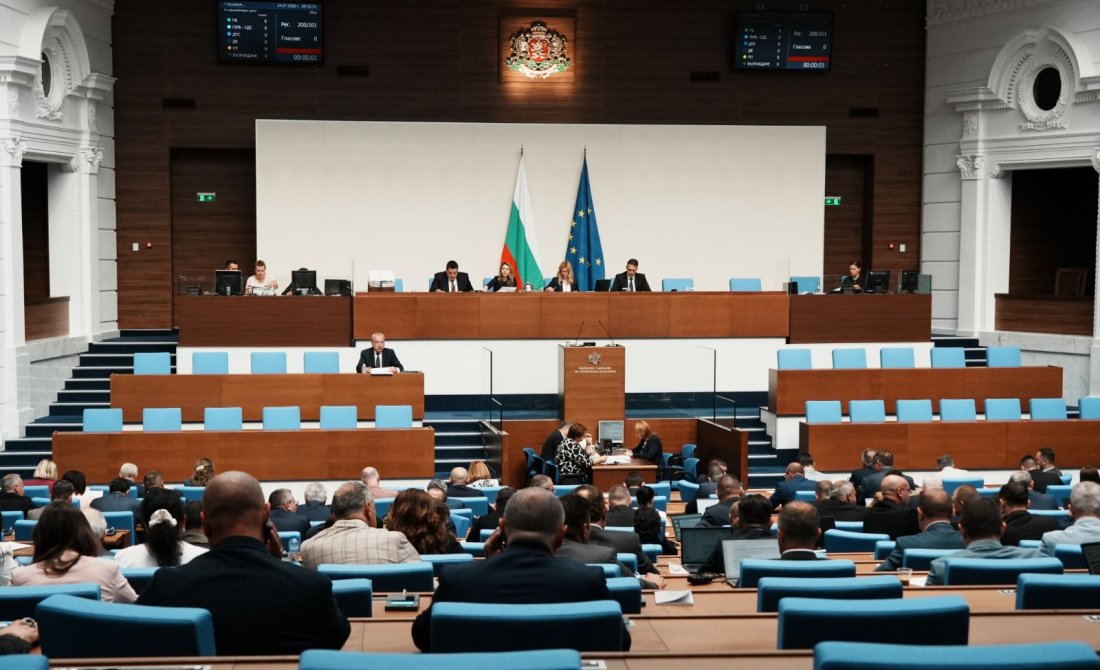
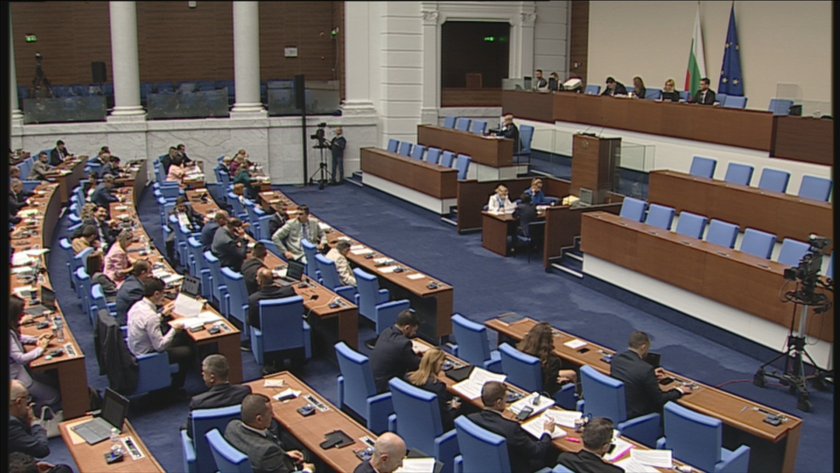
Bulgarian MPs on July 24 conclusively approved the state budget for this year. The vote began shortly after 9:00 am and ended five and a half hours later.

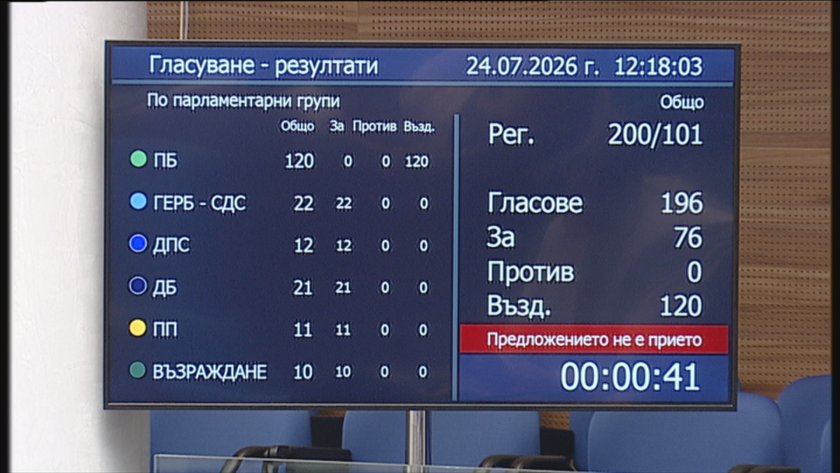
Once again, lawmakers used an unusual approach to adopting the financial framework – they first voted on the overall budget framework, which was approved with 125 votes in favour and 84 against. It sets the levels of state revenues and expenditures, making major changes to the remaining parts of the bill much more difficult.
As expected, most of the opposition’s proposals were rejected.

Political parties had called for more funding for road repairs, churches, schools and kindergartens, healthcare, water infrastructure, as well as support for socially vulnerable groups.
According to the governing parties, the current budget leaves limited fiscal room for manoeuvre because it is already being implemented. However, they promised reforms and increased funding in key areas in the 2027 budget.

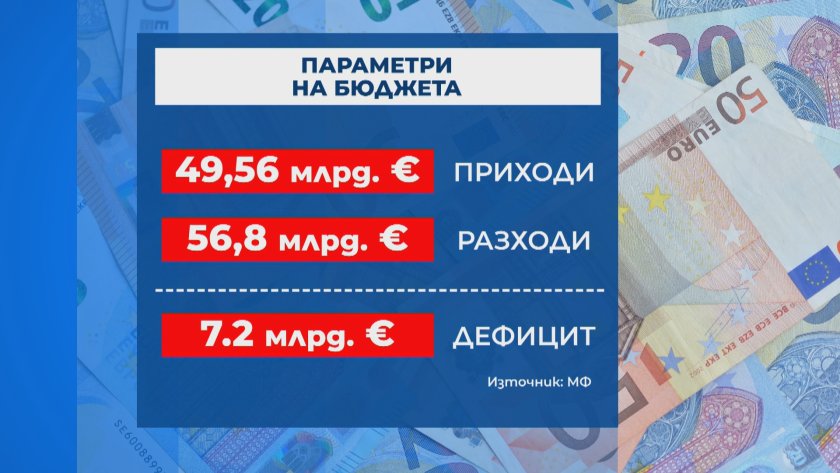
In brief, this year’s state budget includes record levels of both revenues and expenditures. Revenues are projected at almost €50 billion, while spending is close to €57 billion. The deficit stands at €7.2 billion, or 5.7% of GDP.

According to European Commission estimates, however, it is realistic for the deficit to reach 4.2% by the end of the year. The reason is that some planned expenditures are unlikely to be fully implemented by then. The government also agreed with this assessment. The Ministry of Finance explained that the budget includes all expected funds under the Recovery and Resilience Plan, although some of the money may not be received.

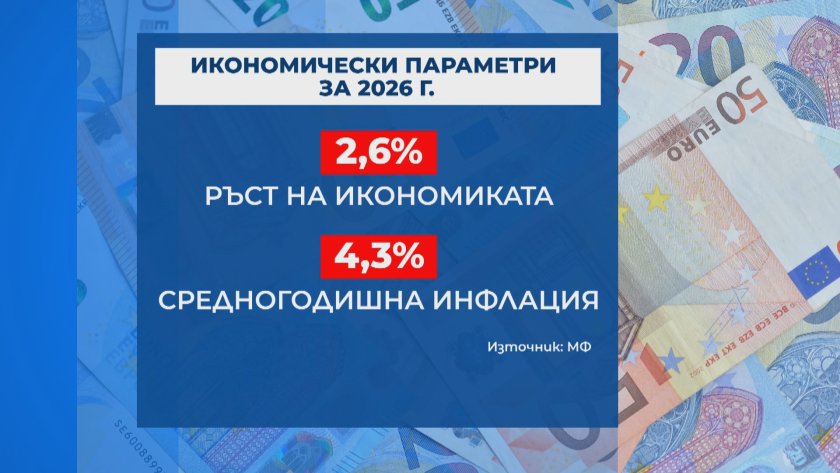
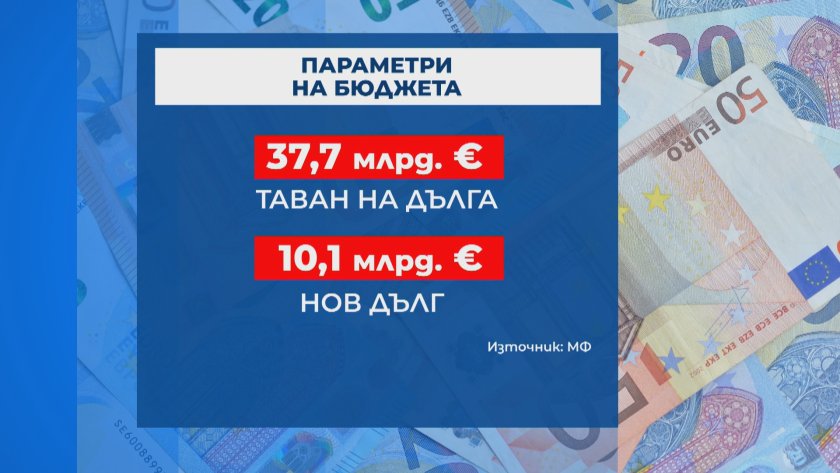
The budget calculations are based on expected economic growth of 2.6% and average annual inflation of 4.3%. A new debt ceiling of €10.1 billion has been set, with total public debt expected to reach almost €38 billion this year.
The deficit is expected to fall to 3% by the end of 2028, while public debt is projected to rise to more than €50 billion.

From 1 August, civil servants will begin paying 20% of their social security contributions, with the exception of employees in the security sector. They will start paying part of their contributions from 1 January 2027, although this is not explicitly included in the current budget.
From 1 August, the price of road vignettes will also increase by 30%, while excise duties on tobacco products will rise.
Ministry of Finance: We Are Taking Steps to Reduce the Deficit Starting With the 2027 Budget
EU Finance Ministers Voted to Open an Excessive Deficit Procedure Concerning Bulgaria
Военният министър: Американските самолети няма да пристигнат днес, вероятно другата седмица