Foreign direct investment grew by nearly 10%, Bulgarian National Bank (BNB) reported for the first quarter of 2023. Will the trend of the last decade of a low share of foreign companies acquiring fixed assets in the country change?
Faster capital accumulation can be achieved by removing barriers to private investment and improving the quality and efficiency of public investment. Lack of infrastructure, industrial parks and high-level government commitment appear to be among the main reasons why foreign companies bypass our country.
"What foreign companies cannot understand is why when they build a factory they have to put some of their capital into foreign infrastructure. They cannot agree to pay for a gas canal and any infrastructure that is outside the boundaries of their property. They are more willing to pay a higher fee for a building permit. It's not an escape from paying money, but they wouldn't agree to work something that is the role of the state," said Georgi Kirov, partner and director of capital markets at an investment management firm.
"There are many areas of the country that are depopulated, where nothing is happening, if the state invests in the development of infrastructure in any case these places will become attractive for foreign investment," said Alexander Konev, commercial director at an Austrian company.
In recent years, the overall share of investment in Bulgaria has dropped below 20% of GDP, lagging behind average investment levels in CEE and EU countries. This compares with around 25% in Romania and over 30 per cent in the Czech Republic and Hungary. Even for the current investments, the state makes a small contribution, the BIA said.
"This inflow of investments is rather the result of international events and external environment, including the passage and withdrawal of investments from some countries," said Silvia Todorova, director of the centre "Entrepreneurship", Bulgarian Industrial Association.
Bulgaria can attract key industry enterprises in the sectors of chemistry, metallurgy, building materials, mechanical engineering. Foreign investors also expect energy from renewable sources, a skilled workforce and high-level government commitment. In Bulgaria, for example, entrepreneurs communicate only with representatives of the Investment Agency.
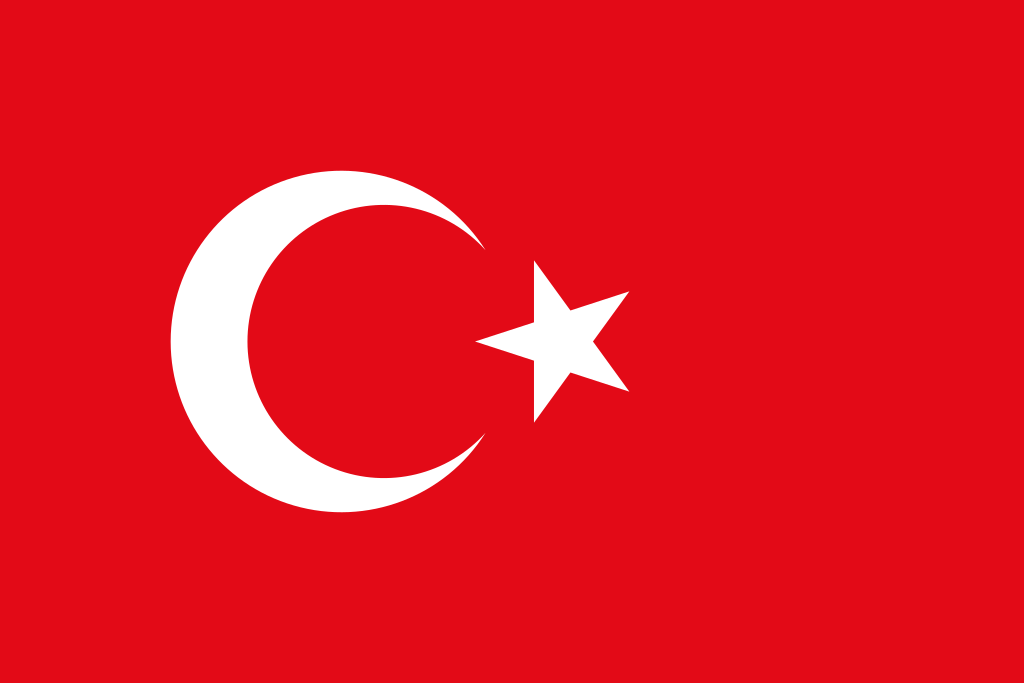
"In Turkey, the Investment Agency, the Investment Unit is under President Erdogan, i.e. it's at the highest level there and really, when the investor says I want this and they say - yes you will get it, really all the authorities, local administration, ministers - they work," said Georgi Angelov, senior economist at the Open Society Institute.
Another example can be learned from Ireland, where there is a fixed budget to attract investors, it is monitored how many jobs are opened, how many suppliers and sub-suppliers are engaged. Taxes are low, but the country has the highest minimum wages in the EU. Private investment can be encouraged by removing obstacles arising from factors such as unfair competition, low qualification, weaknesses in governance and bureaucracy.







 Чуй новините
 Подкаст