“What is the financial reality at present? A deficit of 7.4% if no existing policies are changed and no measures are taken to consolidate public spending. There is also a further €2.2 billion in unpaid obligations.”
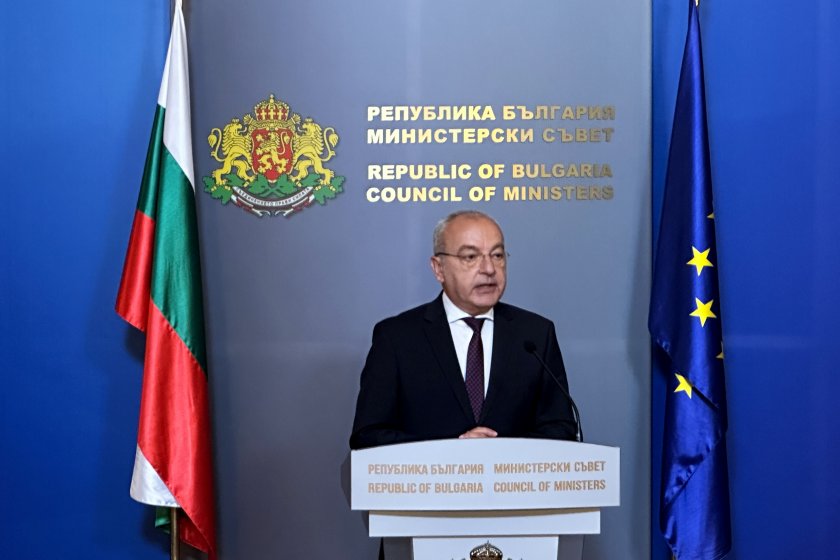
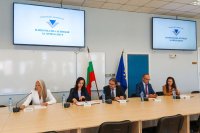
These figures were presented by Deputy Prime Minister and Finance Minister Galab Donev during a briefing at the Council of Ministers on June 3.
He stressed that the Excessive Deficit Procedure which the European Commission is expected to launch against Bulgaria is a “foreseeable scenario”.
“When I previously presented information about the current state of the public finances, I compared them to those of an average Bulgarian family. What does a family do when its money is not enough? It starts saving, stops unnecessary spending and looks for additional sources of income. That financial plan is followed until balance is restored — a balance between income and expenditure. Balance means having enough money to last until the next pay cheque, not running out a week beforehand.
I have been following very closely the debate that has unfolded in recent days regarding the expected procedure that the European Commission will announce in its Spring Semester report — the so-called Excessive Deficit Procedure.
For me and for Progressive Bulgaria, this is a predictable scenario. What surprises me is that it appears to come as such a shock mainly to those responsible for the current financial situation. And the more aggressive the political rhetoric offering magical solutions, the more closely connected the analyst or commentator seems to be to the decisions that brought us to this point.”
Donev said that the caretaker government had failed to submit an annual implementation report on Bulgaria’s National Medium-Term Fiscal-Structural Plan for 2025–2028 to the European Commission.
“The much-publicised budgets showing deficits of 3% over the past five years were achieved through postponing and rolling over payments worth millions and billions into subsequent years.
What is the financial reality today? Without changing existing policies and without measures to consolidate public spending, the deficit stands at 7.4%. That is more than €8.5 billion.
There is also another €2.2 billion in unpaid obligations — expenditure hidden away in drawers, so to speak. Only now have those who postponed these payments from 2024, 2025 and 2026 conveniently brought them to light after the regular government took office on 8 May 2026.
Calculate for yourselves what this does to the deficit level.
Included within these €2.2 billion are invoiced but unpaid projects of the Road Infrastructure Agency, as well as municipal projects listed in Annex 3 of the State Budget Act.”
Missing Report to the European Commission
The Finance Minister also highlighted what he described as a significant omission by the caretaker administration.
“By 30 April this year, the caretaker government was required to submit an annual report to the European Commission on the implementation of the National Medium-Term Fiscal-Structural Plan for 2025–2028.
The caretaker government did not provide this information to the European Commission.
As a result, any new findings that the Commission publishes today will be based on data for 2025 alone, without taking into account unforeseen expenditure, spending already incurred and costs expected to be invoiced and presented for payment during 2026.”








 Чуй новините
 Подкаст