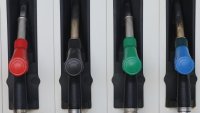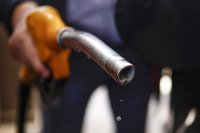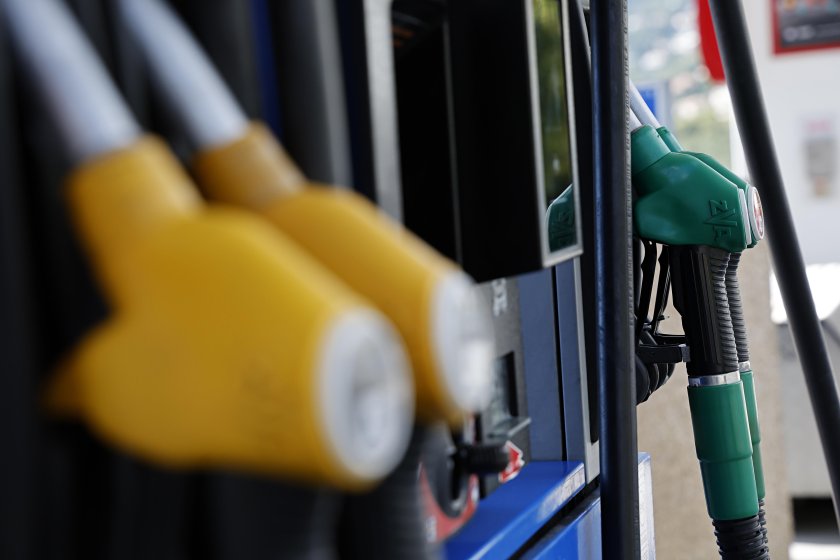
Retail prices for petrol, diesel and LPG could double as early as 2028 if new EU environmental requirements come into force, the Bulgarian Petroleum and Gas Association has warned.
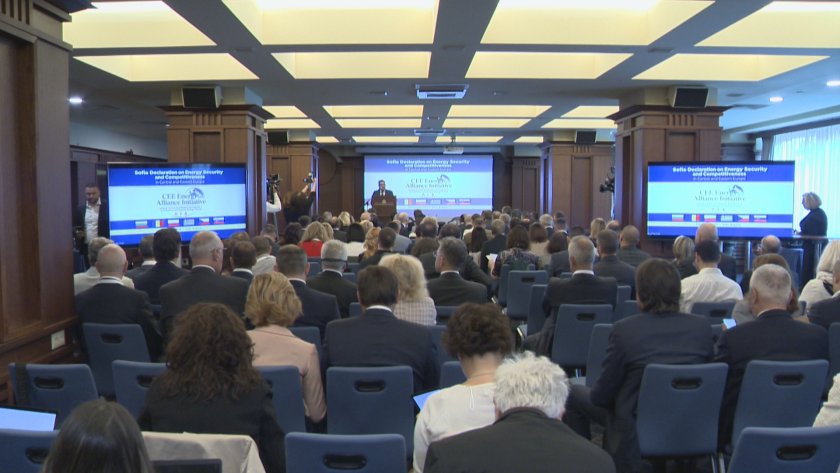
The association has signed a joint declaration with counterparts from the Czech Republic, Poland, Romania and Slovakia calling for the requirements to be postponed by two years. The declaration has also received the backing of the Bulgarian government.
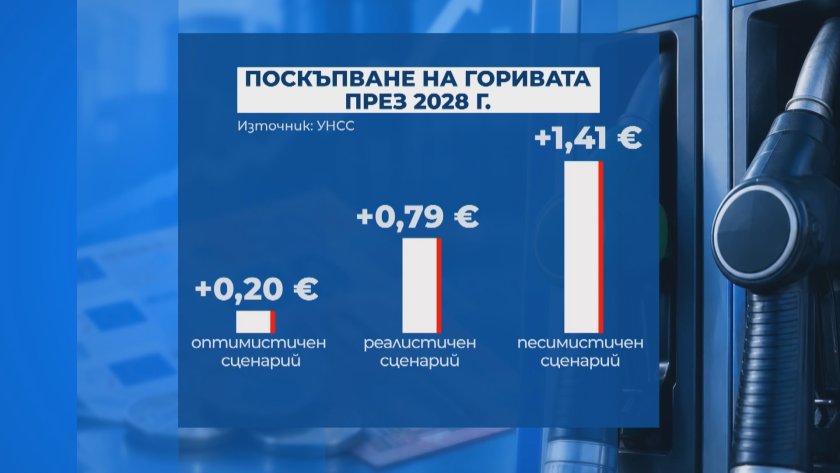
The new EU requirements, due to take effect in 2028, would oblige fuel producers to purchase greenhouse gas emissions allowances to account for pollution. A study by the University of National and World Economy (UNWE) outlines three scenarios: optimistic, realistic and pessimistic. Under the worst-case scenario, retail fuel prices would rise by more than €1.40 per litre.
Prof Yanko Hristozov, Deputy Rector of UNWE: “Transport costs are expected to increase by 16% by 2030. Historically, research shows that any increase in fuel prices is passed on at the pump within four weeks and ultimately paid by the end consumer.”
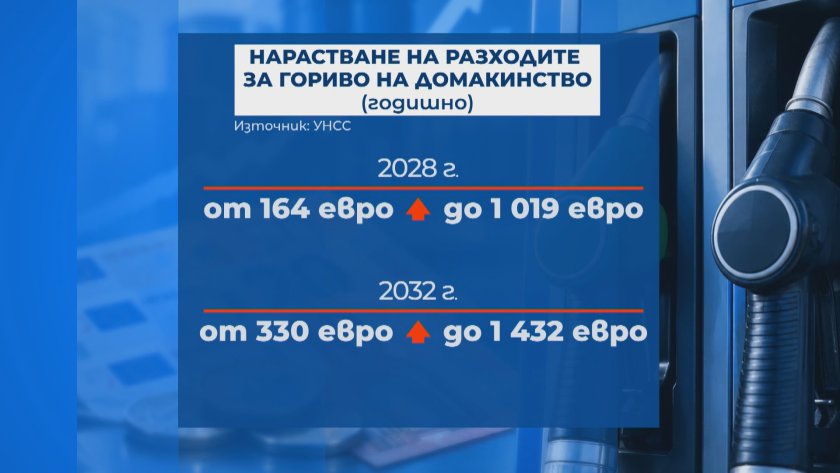
According to the researchers, middle-income households will bear the greatest burden, with their annual fuel costs increasing by between €164 and €1,400.
Svetoslav Benchev, Bulgarian Petroleum and Gas Association: “What the EU is asking of us is that, for every tonne of diesel we sell, we must account for three tonnes of carbon emissions. Each allowance could cost between €70 and €501, depending on market conditions, and that cost would be passed directly and automatically on to every litre of fuel.”
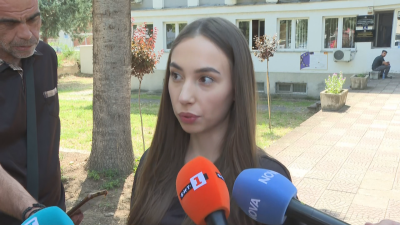
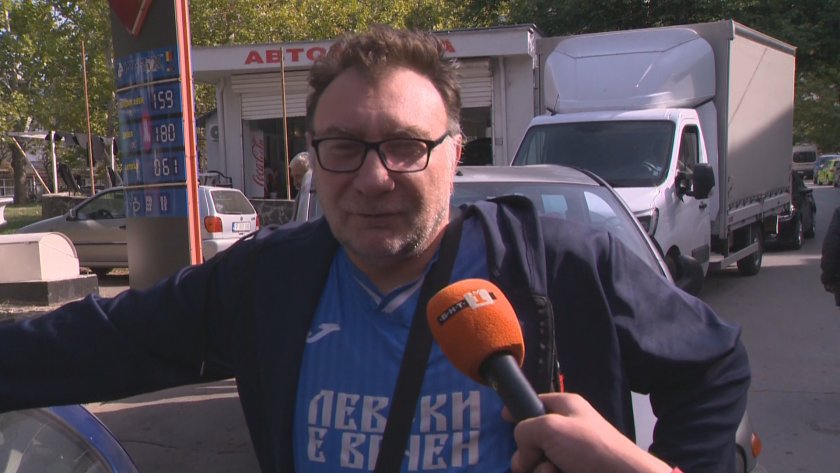
Radostin Iliev runs a small business in Ruse specialising in cleaning services. He has four petrol-powered vehicles, each of which covers around 1,000 kilometres a month. He says his fuel costs have risen by 50% in just one year.
Radostin Iliev, small business owner: “Petrol will always become more expensive. It is a finite commodity, and when demand rises, so will the price. So when someone says prices will come down, that is impossible. These are international markets, and prices are rising everywhere.”
This is precisely why the European Union aims to improve fuel efficiency. The Energy Ministry also believes this goal should be maintained.
Kiril Temelkov, Deputy Minister of Energy: “Our view is that regulations must be appropriate and effective. We do not agree that there is excessive regulation – regulation cannot be excessive. In recent years, we have seen that if we fail to take care of nature, it will retaliate in ways that are difficult for us to respond to.”
According to the University of National and World Economy (UNWE), postponement is not a solution either unless the requirements are changed.
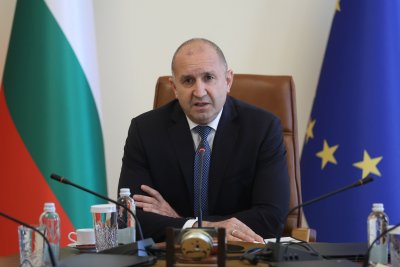
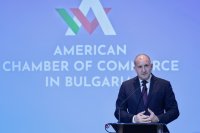
Aleksandar Pulev, Deputy Prime Minister and Minister of Economy: “We support all green policies, but they must be implemented in a way that does not further undermine Europe’s competitiveness.”
Dobri Mitrev, Chairman of the Bulgarian Industrial Association (BIA): “We need to discuss whether the European economy and industry can meet these targets within the given timeframe, under these policies and with the support currently available.”
If the emissions trading scheme is extended to fuels, Bulgaria would have to pay an additional €9 billion to €43 billion annually for allowances.



 Български лекари ще прегледат Ива Михайлова, македонският външен министър: Разглеждаме това като жест на добра воля
 Специално за БНТ: Говори екипажът на хеликоптер от авиобаза „Крумово“ за мисията по издирване и спасяване в Черно море
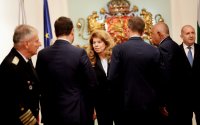 Илияна Йотова за КСНС: За първи път в български документ има три конкретни неща за войната в Украйна и последствията от нея








 Чуй новините
 Подкаст