In a year the number of cancer patients increased by more than 15,000
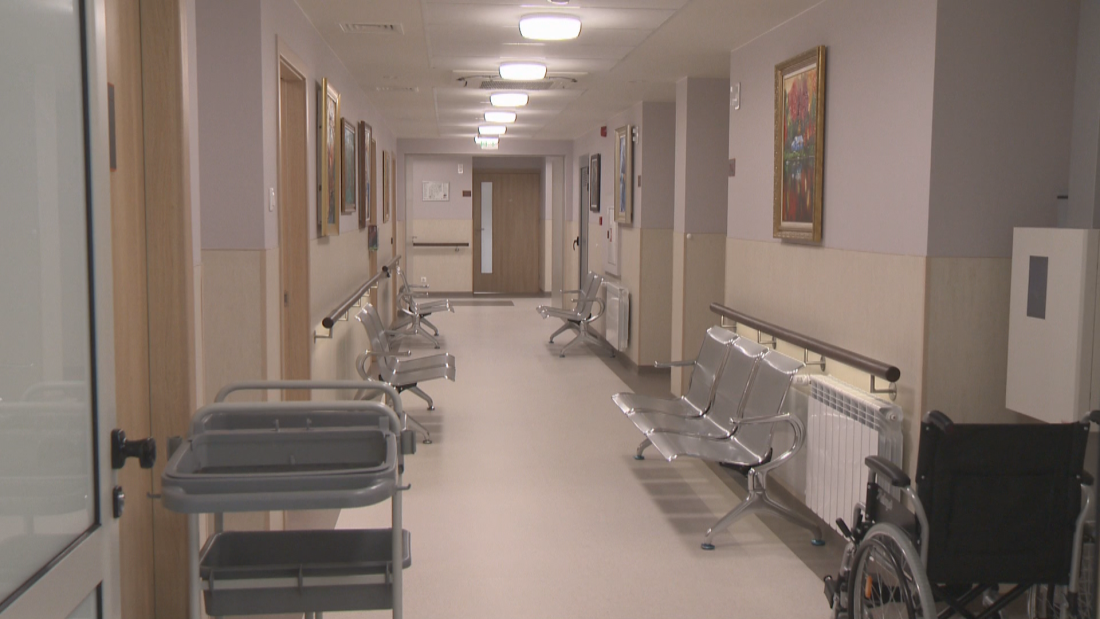
Alarming figures have emerged in the eve of World Cancer Day. More than 300,000 Bulgarians living with cancer were registered in the National Health Information System in 2025 — 15,000 more than in 2024. The most common cancers are those of the breast, colorectal cancer, prostate cancer and cervical cancer.
There are still no official data on the number of newly diagnosed cases, as the National Cancer Registry has yet to be completed. Programmes for the early detection of colorectal and cervical cancer are also facing delays.
Steliana’s mother underwent surgery for breast cancer around 12 years ago. Because of her family history, Steliana has never missed a preventive check-up. It was during one such examination at the end of 2023 that she learned she too had a breast tumour.
“I was shocked. I needed some time to understand what was happening — to process it at all. Fortunately, I pulled myself together quite quickly,” said Steliana Donchevska.
Although she had insurance for treatment abroad, she chose to have surgery in Bulgaria. The tumour was removed at the beginning of 2024.
“This was followed by radiotherapy, which I later had abroad. I didn’t undergo chemotherapy because the cancer was at stage one and there were no metastases. Two years later, I feel more alive and healthier than ever,” she said.
Breast cancer is the most common oncological disease among women, and many patients receive their diagnosis only once the disease has reached an advanced stage.
“If symptoms appear, that means the process is already advanced. At that point, chances of recovery still exist, but they are naturally reduced,” said Dr Vanya Mitova, head of the Breast Surgery Department at the 'Prof Ivan Chernozemski' Oncology Hospital.
Late diagnosis is among the reasons for Bulgaria’s higher cancer mortality rates.
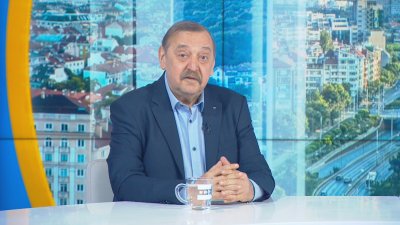
“We are not only seeing an increase in cancer cases — many diagnoses are also occurring at a younger age. We are making efforts to treat tumours at advanced stages throughout the body, but we cannot ensure long-term survival. That is only possible through early detection,” said Professor Galina Kurteva, head of the Medical Oncology Clinic at 'St Catherine' Hospital.
Because of appeals against public procurement procedures, screening programmes announced last year for the early detection of cervical and colorectal cancer — including free tests — have still not begun.
“The world has been reporting results from screening programmes for 30 years, while we are still hesitating over whether to start them,” Professor Kurteva said.
Steliana Donchevska added: “I was surprised to learn that there are women who are afraid to go for check-ups. I believe the scariest thing is not having information and finding out far too late.”
Free testing for cervical and colorectal cancer is expected to begin in the coming months. Work is also under way to establish a National Cancer Registry within the National Health Information System.


 Scientists in Plovdiv Develop Plant-Based Combination to Support Metabolic Health
 Three Doctors Charged Over Death of a 6-Year-Old Child in Plovdiv To Stand Trial
 Тръмп се срещна със Зеленски в Ню Йорк, работят за решение за войната в Украйна
 Обезопасено е свлачището във Варна: Хората от най-близките къщи са евакуирани










 Чуй новините
 Подкаст