

At the end of the archeological season, researchers uncovered more secrets of the medieval Bulgarian state. A network of tunnels was discovered in the site of the then capital of Pliska. (Pliska was the capital of the First Bulgarian Kingdom from 681 to...
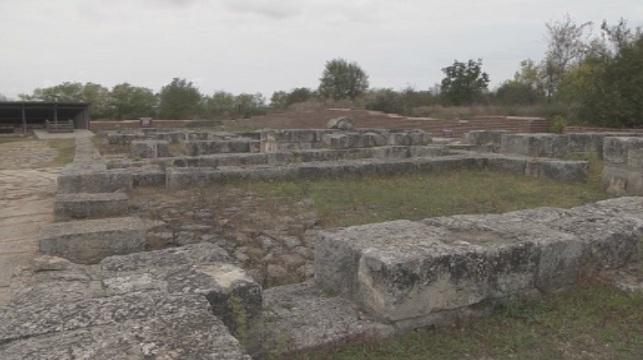
At the end of the archeological season, researchers uncovered more secrets of the medieval Bulgarian state. A network of tunnels was discovered in the site of the then capital of Pliska. (Pliska was the capital of the First Bulgarian Kingdom from 681 to 893 AD) The tunnels were part of the defense system of the ancient city. Another find, a unique lead seal, sheds light on the first years of Bulgaria’s fall under Byzantine rule.
The oldest tunnel dates from 9th century and was built during the governance of the Bulgarian Khan Krum. It was made of wood, like the other buildings from the early period of the city.
When Byzantine Emperor Nicephorus set fire to the medieval city, as it was described in the Anonymous Vatican Narration, the whole network of underground tunnels was burnt. Several kilometers away from Pliska, during a research of a middle age monastery complex, a team of archaeologists came upon a unique lead seal. The archaeologists Georgi Maistorski says that the seal bears the image of St. Nicolas with his hand raised in blessing and a sign: "Leone ti basilica ostiarius", meaning Leone – ostiarius of the Emperor.
According to him, this shows that the monastery was built by a medieval ruler, but after the fall of Bulgaria under Byzantine rule it passed into the possession of the Emperor.
The Health of the Future: How Artificial Intelligence Is Transforming Healthcare
Flu Cases Rising across the Country, with Several Regions Already Reaching Epidemic Levels
More than 13,000 to Paticipate in International Mummers Festival 'Surva 2026' in Pernik, Presenting Unique Masks, Traditional Costumes and Ritual Performances
400kg of Smuggled Chicken Meat and 8,640 Eggs Seized at Lyubimets Border checkpoint