

ИЗВЕСТИЯ

Моите новини

ЗАПАЗЕНИ

10,000 Russian Sturgeon Released into the Danube Near Gomotartsi As Part of Efforts to Restore the Critically Endangered Species

bnt avatar logo от БНТ
A+ A-
Чете се за: 08:05 мин.

EN
6fest шестфест обявява международното издание софия юли

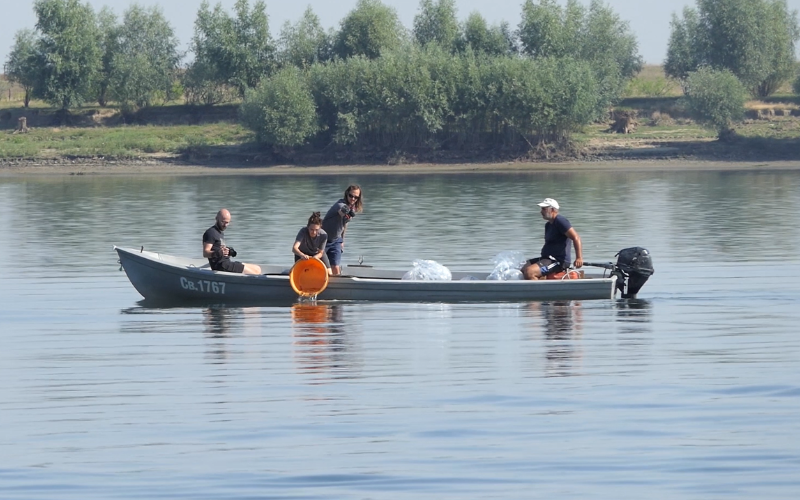
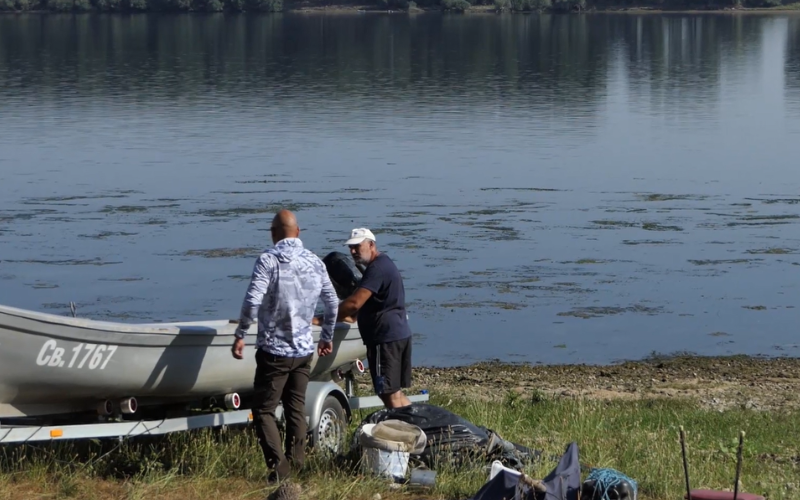
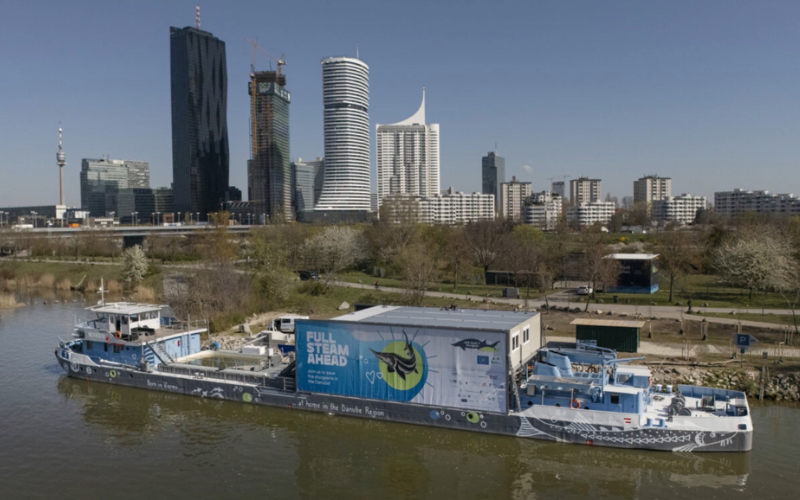
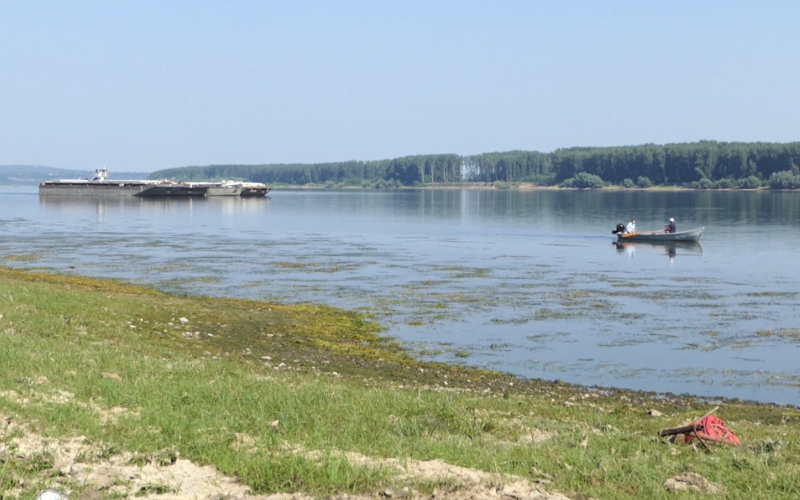
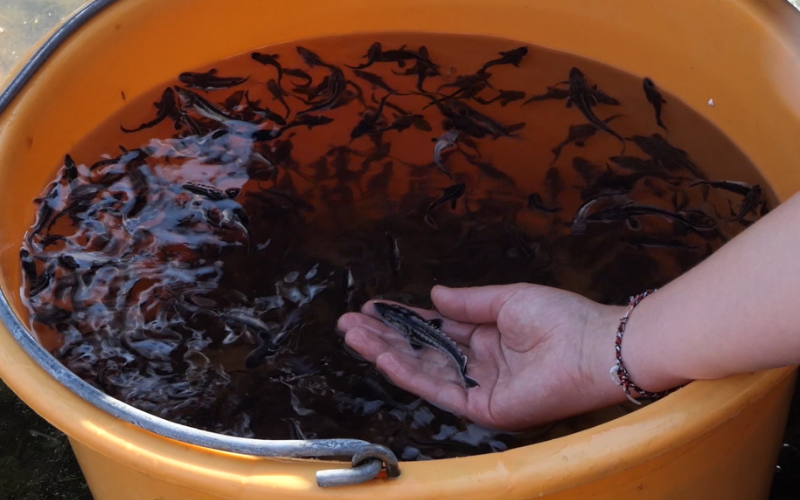
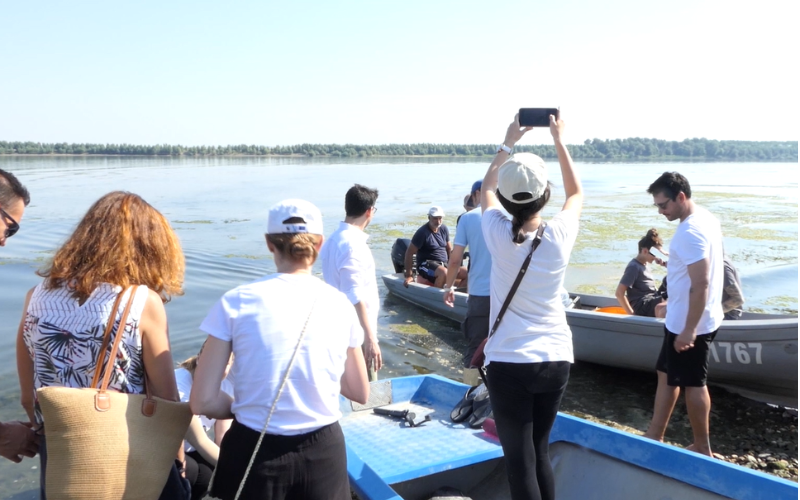
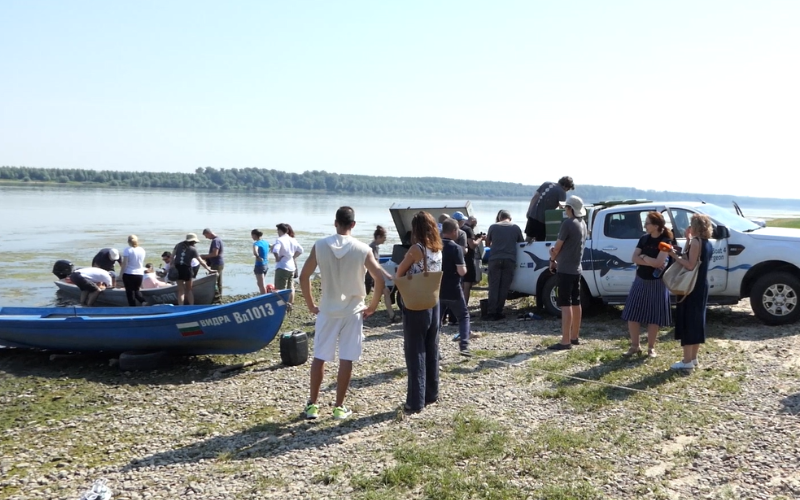
Ten thousand Russian sturgeon have been released into the River Danube near the village of Gomotartsi, in the Vidin region. The species is critically endangered, and the fish were bred in a floating hatchery in Austria. The release forms part of an international project aimed at restoring the populations of four sturgeon species.

The fish released into the Danube are between two and three months old. Their breeding is the result of years of scientific research.

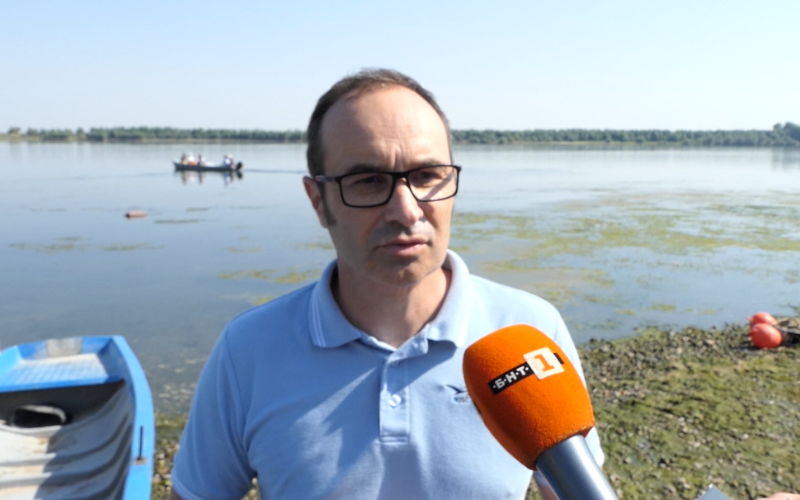
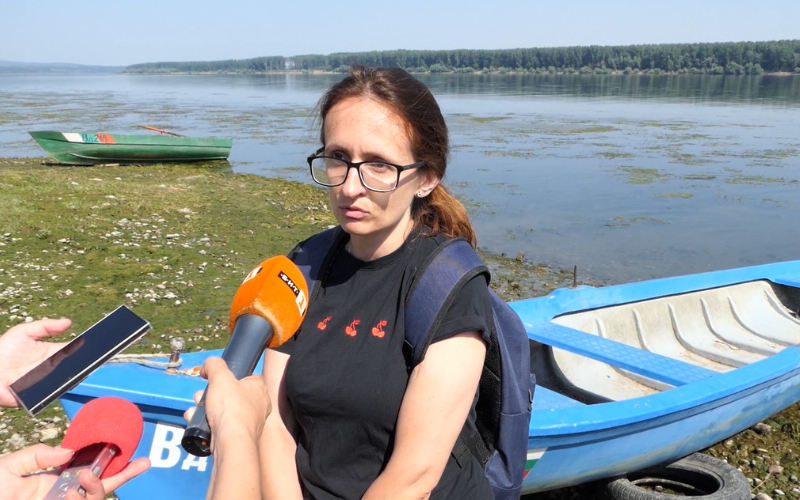
Stoyan Mihov, Head of the Water Programme, WWF Bulgaria: “This is an international project in which Bulgaria is participating together with partners from many Danube countries, including Austria, Romania and Hungary. We are trying, on a pilot basis, to apply a purely scientific approach to restoring sturgeon populations by breeding them under conditions that are close to their natural environment – in the very water where they are expected to spend the rest of their lives.”

Although the species can still be found in the Danube, it is now critically endangered. There is a risk that it could suffer the same fate as two other sturgeon species that have already disappeared.

Yana Velina, Chief Expert, National Nature Protection Service Directorate, Ministry of Environment and Water: “This is one of the four sturgeon species that are still found in Bulgaria. They are the Russian sturgeon, sterlet, stellate sturgeon and beluga sturgeon. Two species have already disappeared irreversibly from the Danube and the Black Sea. These are the ship sturgeon and the European sturgeon.”

Stoyan Mihov, Head of the Water Programme, WWF Bulgaria: “The Russian sturgeon is the next species at risk. We have been monitoring natural reproduction in the river, and over more than ten years we have found only two newly hatched Russian sturgeon in the Danube.”

Human activity is the main reason for the dramatic decline in sturgeon populations.

Stoyan Mihov, Head of the Water Programme, WWF Bulgaria: “The fish are raised in a large floating hatchery on a vessel in Vienna, using Danube water, and we release them here, near the village of Gomotartsi, in the Bulgarian stretch of the river. If we were to release them upstream near Vienna, they would have to pass numerous obstacles, including the Iron Gates dams, and these barriers prevent the fish from travelling downstream to their final destination – the Black Sea.”

Once mature, the sturgeon will return to the Danube only a few times during their lives to spawn.

The restoration and conservation of the population is a matter of human responsibility.

Stoyan Mihov, Head of the Water Programme, WWF Bulgaria: “We are helping them now so that, in about 10 to 15 years, they can return to the Danube, because they reach sexual maturity very late, at around 10 to 15 years of age. We hope that when the Russian sturgeon return here, they will remember the taste and smell of the Danube and come back to spawn in this section of the river.”

Restoring and protecting the population depends on continued human efforts.

Stoyan Mihov, Head of the Water Programme, WWF Bulgaria: “A large proportion of the young fish do not survive, and neither do many adults. Poaching remains a very serious problem, and we have destroyed much of their natural habitat.”

Yana Velina, Chief Expert, National Nature Protection Service Directorate, Ministry of Environment and Water: “Fishing for sturgeon has been prohibited in Bulgaria for more than 15 years. The most recent order introducing the ban made it indefinite. At present, there are no plans to amend the legislation, although technically the ban remains in force under a temporary prohibition mechanism. We are optimistic in the long term because efforts such as today's will help restore the population to some extent. That is why it is vital that the ban is respected, especially by local communities and fishermen. Even if sturgeon are caught accidentally, they must be released back into the river.”

Some of the fish have been tagged to allow scientists to monitor their movements.

Stoyan Mihov, Head of the Water Programme, WWF Bulgaria: “The very small fish can only be identified later through DNA analysis, but the larger ones are marked with coloured tags. The previous group carried orange tags attached underneath their snouts. Some of the even larger fish are fitted with microchips, similar to those used for domestic pets. Each chip is unique, so if one of these fish is caught, we can determine exactly where it came from, identify its number and even its parent fish, allowing us to monitor its growth and track that individual.”

The release near Gomotartsi is one of the first stocking operations this year. More than one million young sturgeon are expected to be released into the River Danube by 2030.

Последвайте ни

ТОП 24

Най-четени

Водещи новини

Product image
Новини Чуй новините Спорт На живо
Абонирай ме за най-важните новини?