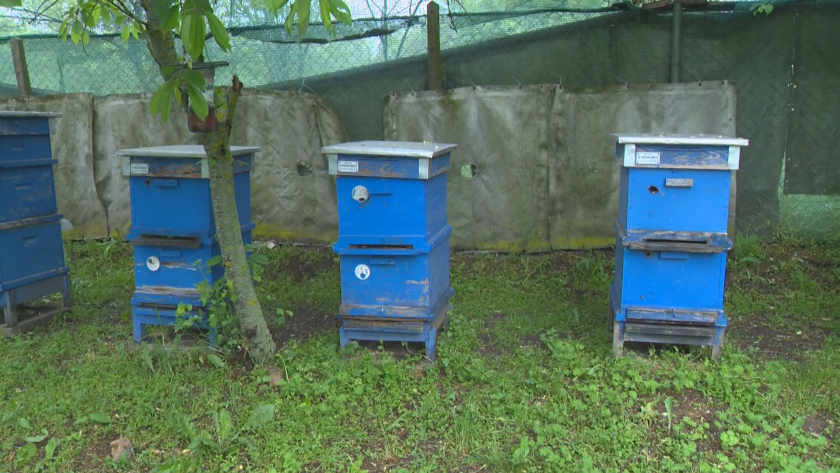
Counterfeit honey, unfair imports, and insufficient support for the sector are among the main challenges facing beekeeping in Bulgaria. Producers are therefore calling for stricter controls on the quality and origin of honey.
Georgi Kurtev has been keeping bees for many years. He describes himself as a guardian, as he sees his mission as protecting bees and thereby helping to preserve ecological balance.
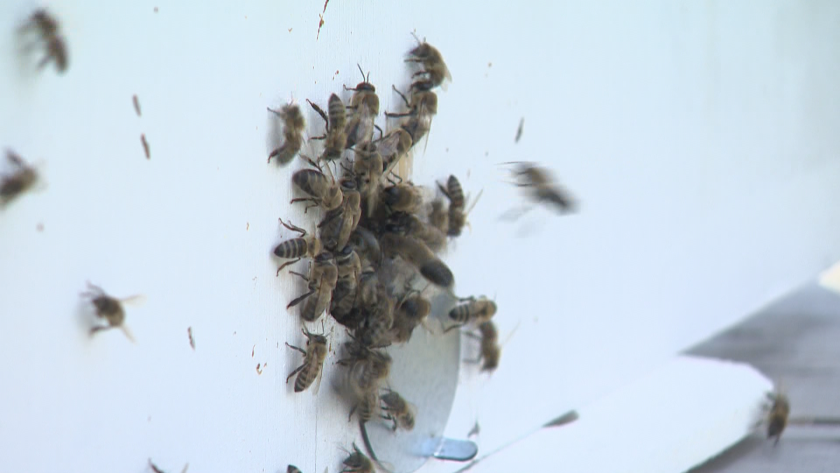
Georgi Kurtev, beekeeper: “My main mission is to ensure that the bees are doing well. The disappearance of bees is a major problem – it is becoming increasingly common in Bulgaria. My goal is to save swarms, collect them and give them a new home. A beehive is like our body – a single living organism, and these little bees are like our cells, so we need to take care of them.”
According to Georgi, intensive agricultural practices pose a threat to the survival of bees.
Georgi Kurtev, beekeeper: “The use of pesticides and environmental pollution affect bees. Bees are extremely important – many crops would disappear if there were no bees.”
For Bulgarian beekeepers, one of the main challenges is the growing presence of imitation products on the market. They are therefore calling for stricter controls over product quality and origin.
Srebrin Iliev, Chairman of the National Beekeeping Industry Union: “The fight against counterfeit honey is our priority. It is a problem that is slowly destroying us. This is not an issue only for Bulgaria. It is difficult to say how much counterfeit honey is on the market because we currently have no methods of detecting it. We need a strategy. For years, we have been calling on the Ministry of Agriculture to develop such a strategy, but so far we have received no support.”
Ivan Kanev, Chairman of the Beekeepers Association – Ruse: “If it were not for us beekeepers, there would be no bees left in nature, at least not in our region, because there is so much chemical use in agriculture.”
Stoyan Ivanov is a third-generation beekeeper. He personally takes care of 220 bee colonies in the Ruse region. He says that imported honey is driving down the prices of domestic production.
Stoyan Ivanov, beekeeper: “It is difficult to make a living from beekeeping with these prices, these social contributions and low yields. Under these conditions, the trend is downward. There is no money for development.”
Ivan Kanev added: “Imports of cheap food products from Latin America will further push prices down.”
Georgi Kurtev: “We import honey from countries where quality control is lacking, including checks for chemical pesticides. Very often, honey is diluted with glucose syrup.”
Srebrin Iliev: “There is no way honey can avoid being bought at low prices, because the main factor influencing pricing is the price of counterfeit honey. When that price is low, it also drives down the price of genuine honey.”
Georgi Kurtev added: “People go into shops and ask: ‘Why does your honey as a beekeeper cost €9, while in the supermarket it costs €4?’ Well, because one is genuine.”
Beekeepers are also calling for greater unity within the sector in order to protect domestic production.


 PM Rumen Radev: German Investments Are a Driving Force Behind Bulgaria's Industrial Development and Bring Successful Business Models into the Economy
 Eurostat: Bulgaria Records EU’s Fastest Rise in Fuel Prices for Second Consecutive Month
 Илияна Йотова: Илюзия е, че ако не се гласува, можем да извършим промяна в страната
 Историческа победа за студентите, Вучич призна загубата си на парламентарните избори в Сърбия









 Чуй новините
 Подкаст