Foreign direct investment in Bulgaria has increased significantly following the country’s entry into the eurozone, according to data from the Bulgarian National Bank (BNB).
In the first two months following Bulgaria’s adoption of the euro, foreign direct investment in the country has increased significantly, according to data from the Bulgarian National Bank.
A Coordinating Council for Investments has also been established under the Council of Ministers.
Total inflows have reached more than €809 million, representing an 87% year-on-year increase. In February alone growth was almost double compared with the same period last year.
The main driver of this increase is reinvested profit from already established foreign companies, which is being interpreted as a sign ofstronger investor confidence after euro adoption.
Among the investors is a global Turkish company specialising in high-voltage transformers and generators. The company currently employs 400 people in Bulgaria, and its €65 million expansion project is expected to create a further 100 jobs.
Murat Yurekten, executive director of the company: "We have a large production facility in Turkey, where 1,500 people work, but we have exhausted the available space for expansion. That is why we wanted to grow outside the country. We were already an international company with factories in India and Slovakia, and when we opened our fourth plant, we chose Bulgaria because it is close to Turkey. We can drive from our Turkish base in six hours, which is very convenient for us.”
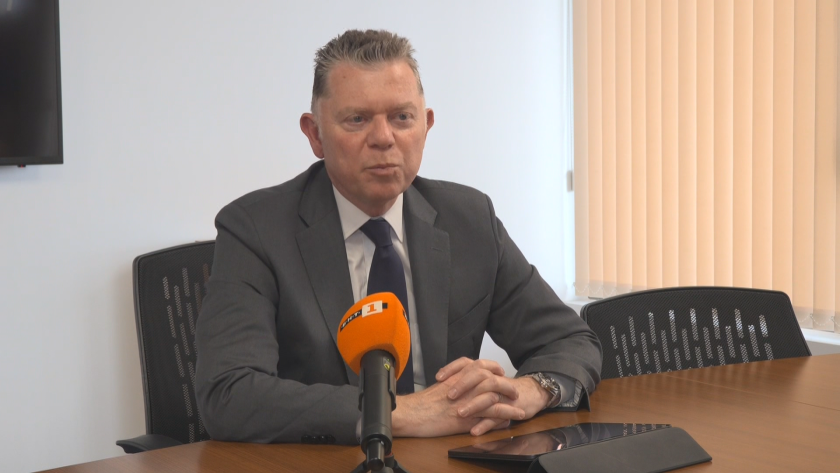
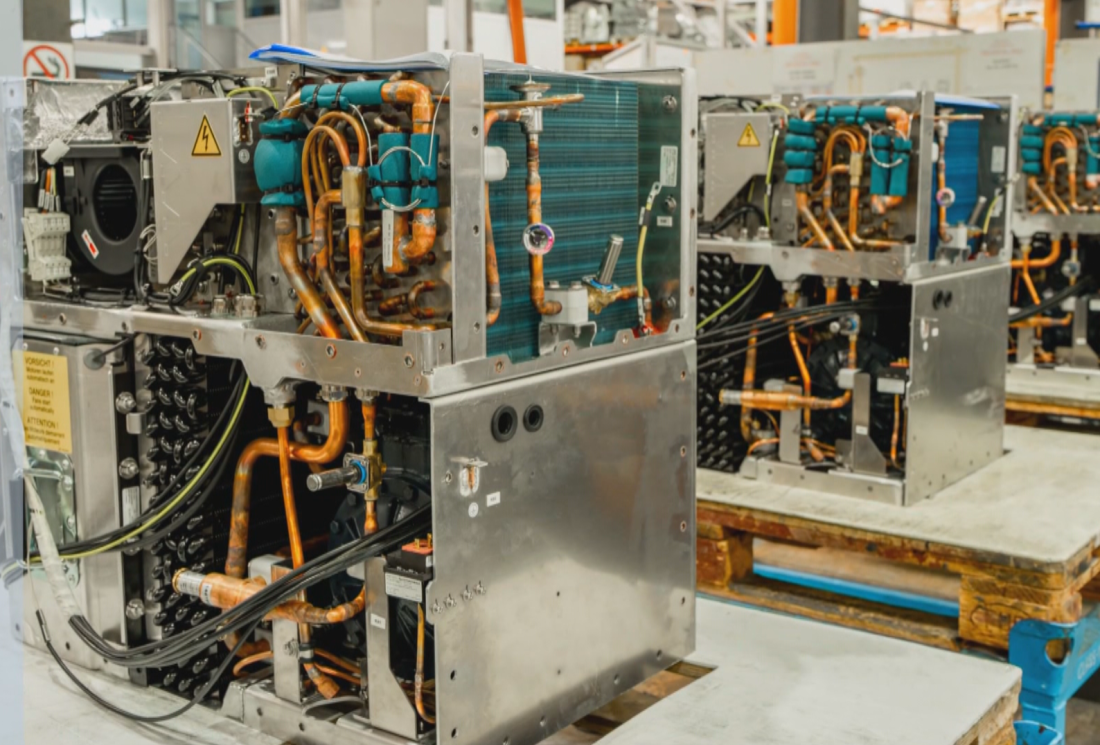
Another global company with German roots, which has operated a refrigerator manufacturing facility in Bulgaria for 20 years, is investing €90 million in a new factory for aerospace and transport components.
It is notable that frequent parliamentary elections are not viewed negatively by investors, as companies have received institutional support from the Bulgarian Investment Agency.
Dieter Flanzer, executive director:
“We have seen not only political stability, but also the good education level of the workforce. We are not only creating jobs in mass production, because we are not relocating just manufacturing, but also some of the engineering functions. That is why we were looking for highly skilled professionals, and this was key. Bulgaria supports this process. We found many skilled people, and this is very attractive for us in the long term.”
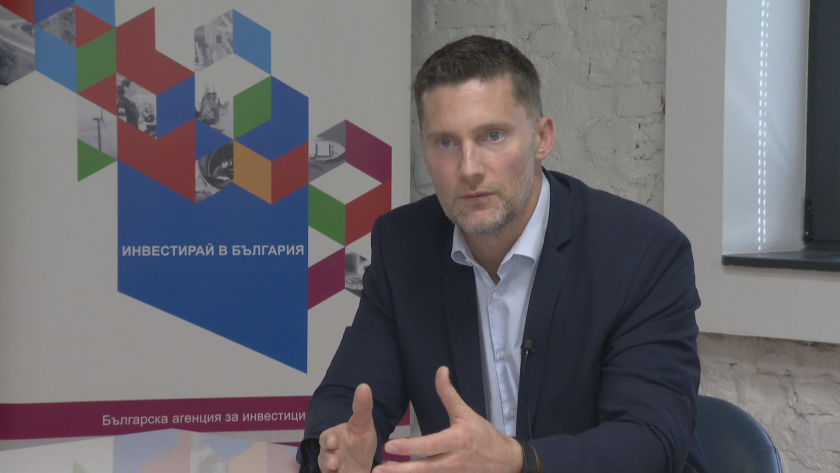
The company currently employs 2,400 people, and by 2030 the new facility is expected to require around 1,000 additional workers.
Despite the strong overall growth, new equity-based investments remain relatively weak, suggesting that the increase is driven more by the expansion of existing businesses rather than the entry of new foreign investors.
However, the Bulgarian business community remains optimistic.
Stanimir Popdondechev, Deputy Chair of the Bulgarian Chamber of Commerce and Chief Financial Officer, said:
“In the first two months of this year, we are seeing growth of more than double compared to the same period last year, and this is a signal that eurozone membership is sending a positive message and the confidence that foreign investors are expecting.”
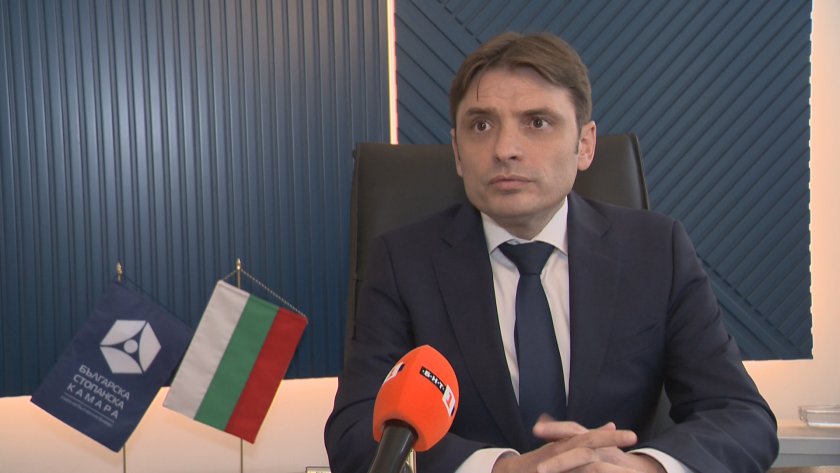
“It is also important that a regular state budget for 2026 is adopted, and that preparations for the 2027 budget begin. This framework is essential for a predictable and stable business environment that allows companies to develop and invest their capital with confidence.”
For businesses, it is crucial that a regular state budget is passed for the current year, and that the principles of a market economy are preserved — without price or markup caps, with effective regulatory oversight, and with the current tax and social security model maintained.


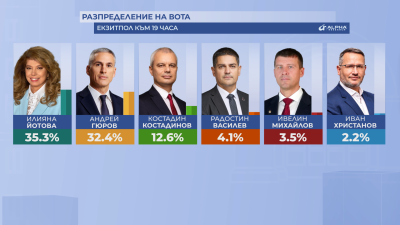
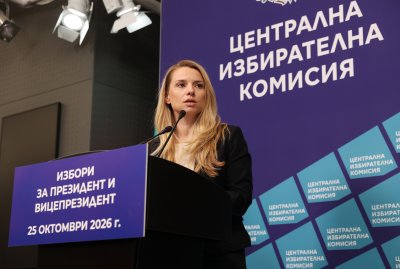
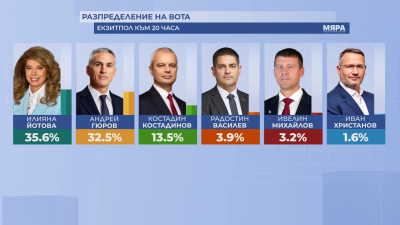
 Central Election Commission: With 7.37% of Polling Station Protocols Processed, Iotova and Gyurov Head to a Run-off in Presidential Election on 1 November
 Илияна Йотова: Илюзия е, че ако не се гласува, можем да извършим промяна в страната
 Историческа победа за студентите, Вучич призна загубата си на парламентарните избори в Сърбия








 Чуй новините
 Подкаст