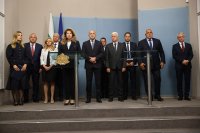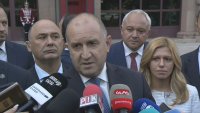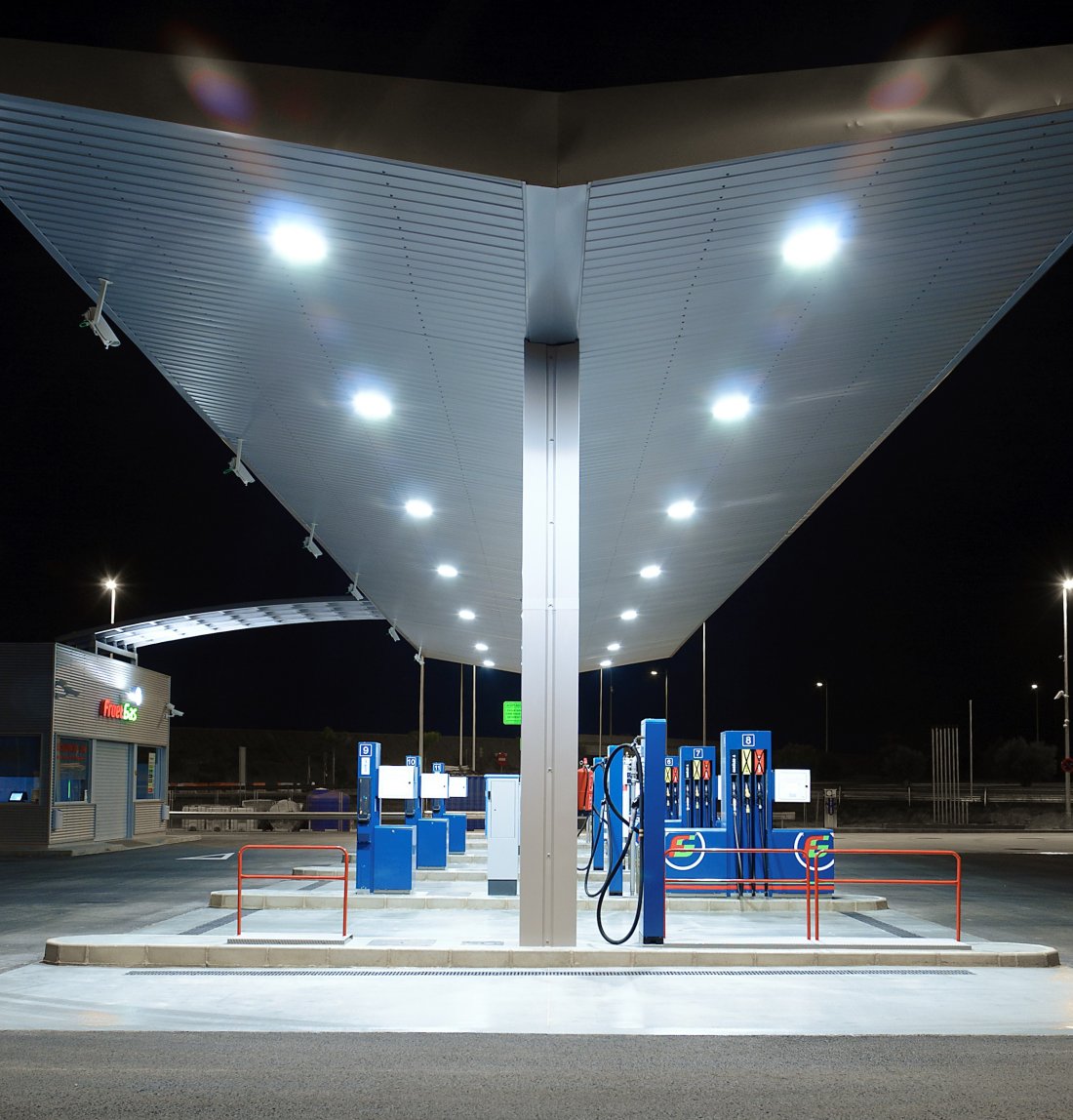
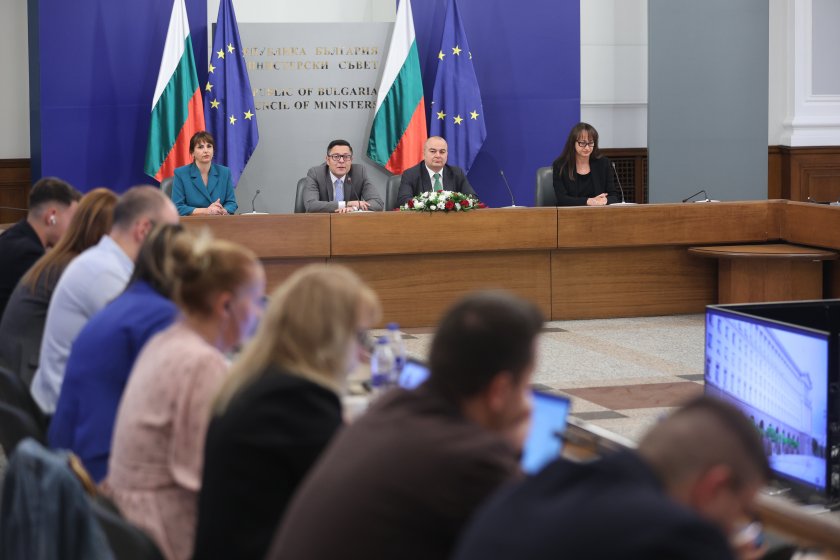
The government has presented a new package of targeted measures to support the most vulnerable groups and key sectors in response to rising fuel prices. The measures offer local solutions to global problems. The specific measures include a one-off payment of €50 for more than 550,000 Bulgarian citizens with incomes below the poverty line.
The government is also planning subsidies for public transport, school and medical transport services, with a focus on small and remote communities.
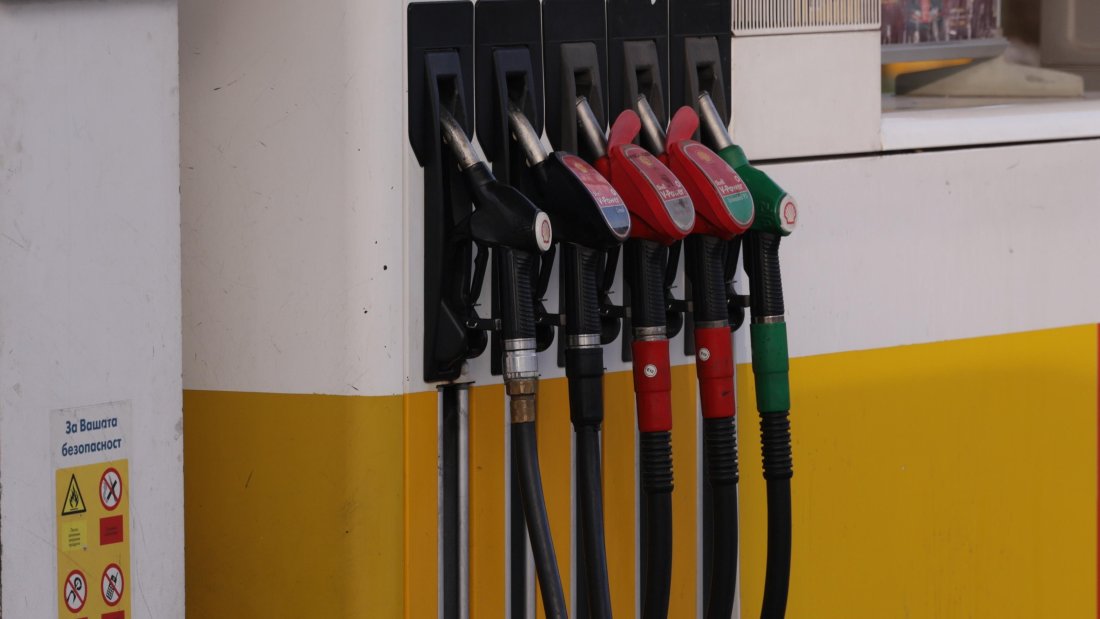
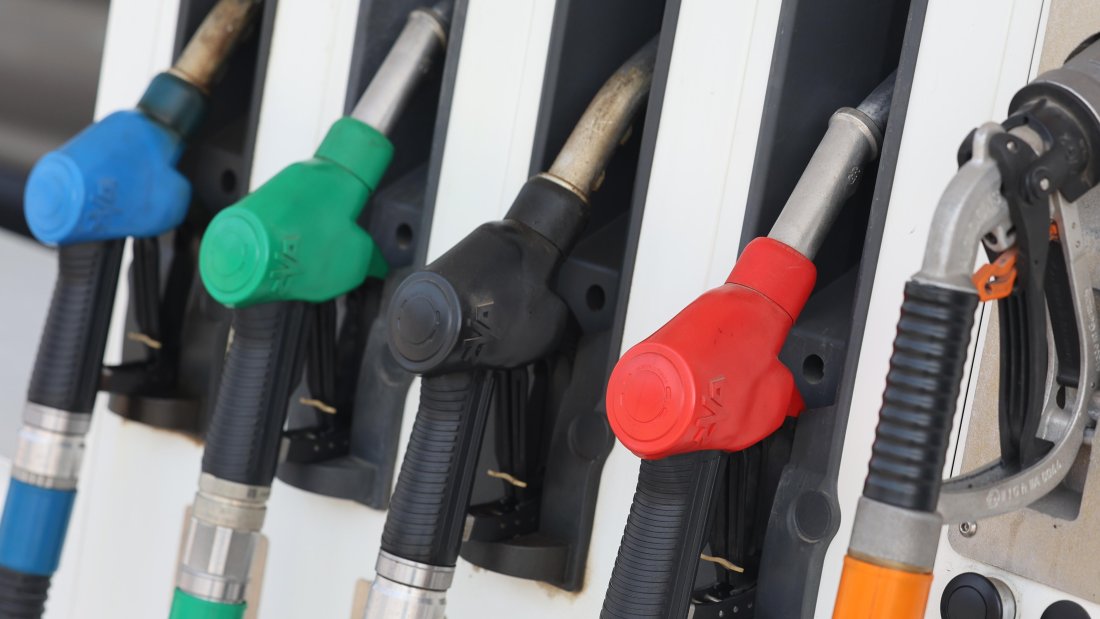
There are also plans to eliminate the excise tax on propane-butane, which the cabinet says will lead to lower fuel prices at the pump. Data on the cheapest fuel show that while the price was 82 euro cents per litre at the beginning of May, it now stands at 68 euro cents per litre.
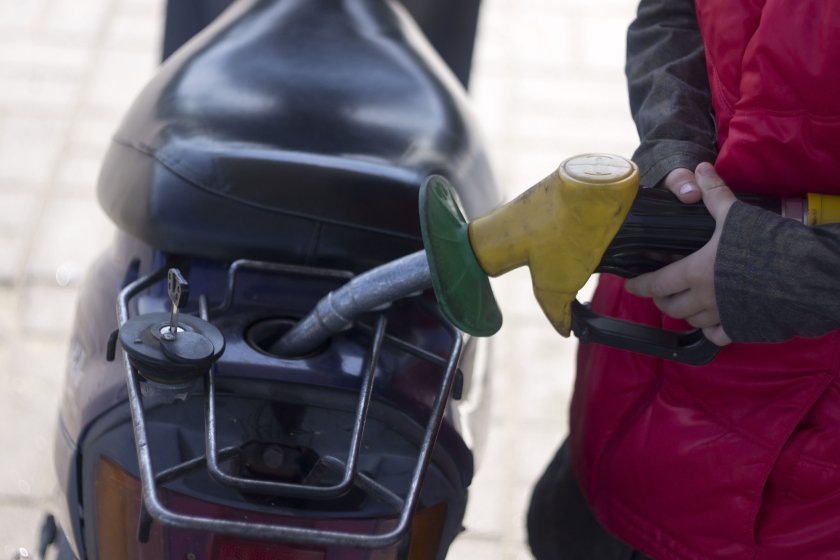
The opposition's criticism focused on this and other aspects of the package. It described the measures as insufficient.
The government said the state was standing firmly behind people and businesses.
Aleksandar Pulev, Deputy Prime Minister and Minister of Economy, Investment and Industry: “The Bulgarian government has developed an entirely new package of targeted measures – no more helicopter money.”
The government is introducing what it calls an “inflation cheque”, a measure aimed at the most vulnerable.
Natalia Efremova, Minister of Labour and Social Policy: “It will be a one-off payment of €50, direct financial assistance for low-income individuals and families below the poverty line who are covered by the social assistance system. The total budget for this measure is €30 million. More than 550,000 people will be eligible. We will not require recipients to own a car, as low-income families do not always own one.”
GERB-UDF has its own explanation for why the payments will be made in October.
Vladislav Goranov, GERB-UDF MP: “These poorly targeted measures reveal nothing more than a desire to win a few extra votes for the candidate favoured by the current ruling majority. The biggest problem is that the cause is not being addressed, only the symptoms.”
BNT: Are the government's measures to tackle high fuel prices sufficient and effective?
Delyan Peevski, Movement for Rights and Freedoms chairman: “We will see when they are implemented. In my view, they are not sufficient, but let's see what effect they have and let the people decide.”
Democratic Bulgaria (DB) said that with a planned deficit of 5.7%, there would be no buffers in the event of crises.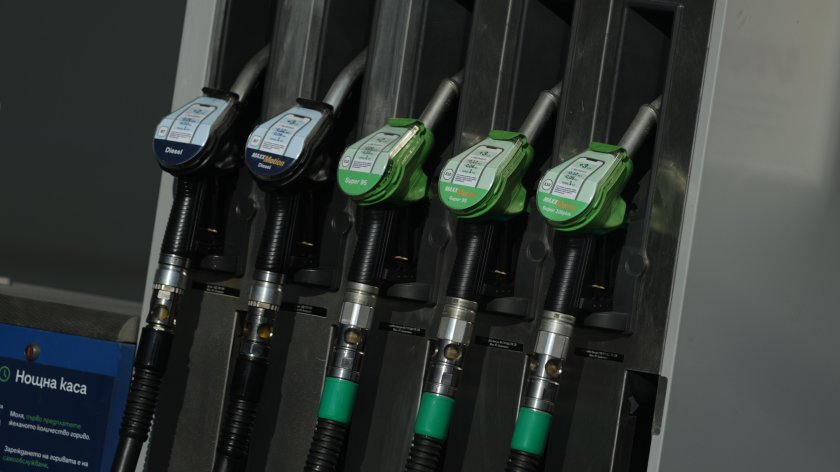
Vladislav Panev, DB MP: “Our appeal to the government is to sit down and see whether the 2026 budget deficit can be reduced. Then, with greater financial stability in the state – which is not currently the case – more substantial measures could be considered.”
Asen Vasilev, We Continue the Change chairman: “All the other Bulgarian citizens, six million of them, will be left to drink a glass of cold water, perhaps from the 'basket of care', while having to buy the water, the basket and the care themselves.”
Bozhidar Bozhanov, co-chair of Yes, Bulgaria: “From the failure of the 'basket of care', we have arrived at the pump without care.”
The government is directing subsidies towards structurally important sectors – public transport, school transport and medical transport services.
Aleksandar Pulev, Deputy Prime Minister and Minister of Economy, Investment and Industry: “We are scrapping the excise duty on propane, which will lead to a very significant reduction in the price at the pump, benefiting all citizens who use LPG vehicles. It will also support industry, as a large proportion of road hauliers use this type of fuel.”
Asen Vasilev, We Continue the Change chairman: “This may be the most appropriate proposal. The problem with this proposal is that it has to be notified to the European Commission and approved by Brussels, so the situation there is: ‘Daddy will buy me a bicycle – but not this time.’”
Aleksandar Ivanov, GERB-UDF: “Why only one type of fuel, and the cheapest one at that, rather than the most widely used?”
Aleksandar Pulev, Deputy Prime Minister and Minister of Economy, Investment and Industry: “Under the measures developed by previous governments, no distinction was made as to whether the subsidy at the pump went to someone driving a Lada or someone driving a Mercedes.”
A total of €170 million has been earmarked to support agricultural producers.
Plamen Abrovski, Minister of Agriculture and Food: “Agricultural producers will receive support of nearly 44 euro cents per litre. France is supporting its agricultural producers with 15 cents per litre under the same scheme, while Spain is providing 20 cents per litre. Our southern neighbour Greece cannot afford to provide support in this way.”
Kostadin Kostadinov, leader of Vazrazhdane: “More than 90% of the subsidies go to 800 legal entities and individuals who are connected to one another. They are not millionaires, but billionaires. Do these people need support, or should support go to those who are the real agricultural producers, farming 100, 200, 300 or 400 decares?”
At 78, Simeon is a shepherd from the village of Pokrovnik, calculating what €50 would buy him.
Simeon Tsarev, shepherd from the village of Pokrovnik: “If they're giving it, we'll take it.”
BNT: What can you buy with €50?
“What can I buy? I'll give it to my grandchildren, that's what. What can I buy? I can't buy anything. It's not much, you know, given the standard of living – it's not much. If I sit down in the pub and drink it away, it won't be enough.”
Now that the measures have been announced, results are expected.


 'Gallup' Poll: Iotova and Valchev Lead Presidential Race Convincingly with 44.9% Support
 Velislava Petrova on Corridor VIII: This Is an Opportunity for Greater Connectivity in the Region
 Political Reactions Following Consultative Council for National Security at the President's Office

 Български лекари ще прегледат Ива Михайлова, македонският външен министър: Разглеждаме това като жест на добра воля
 Специално за БНТ: Говори екипажът на хеликоптер от авиобаза „Крумово“ за мисията по издирване и спасяване в Черно море
 Илияна Йотова за КСНС: За първи път в български документ има три конкретни неща за войната в Украйна и последствията от нея









 Чуй новините
 Подкаст