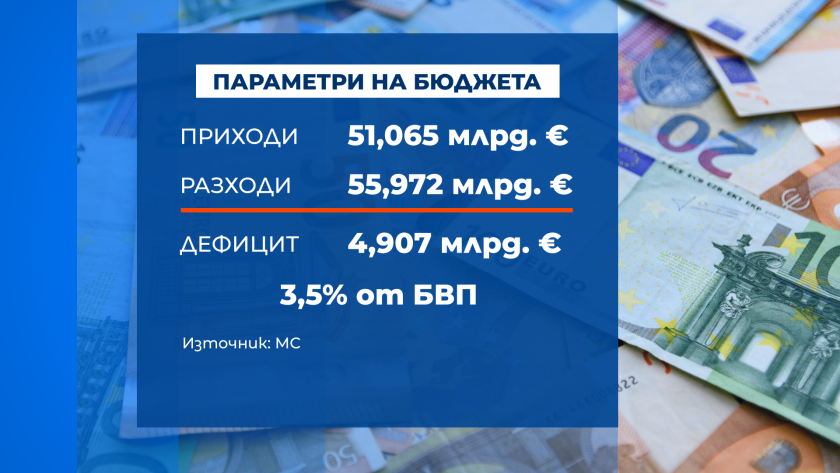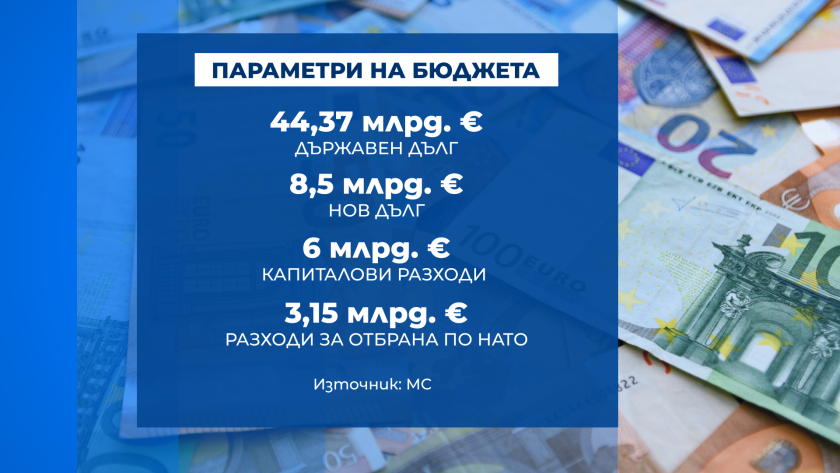

Prime Minister Rumen Radev has outlined the main parameters of the state budget for next year. The budget deficit stands at 3.5% of GDP, or €4.9 billion. Both revenue and expenditure are at record levels.
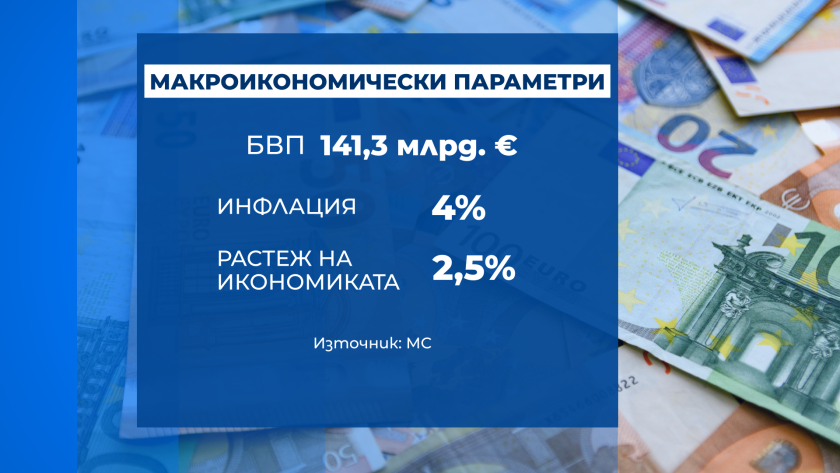
The projections are based on an inflation rate of 4% and economic growth of 2.5%. The new debt the state plans to take on amounts to €8.5 billion, while defence spending exceeds €3 billion.
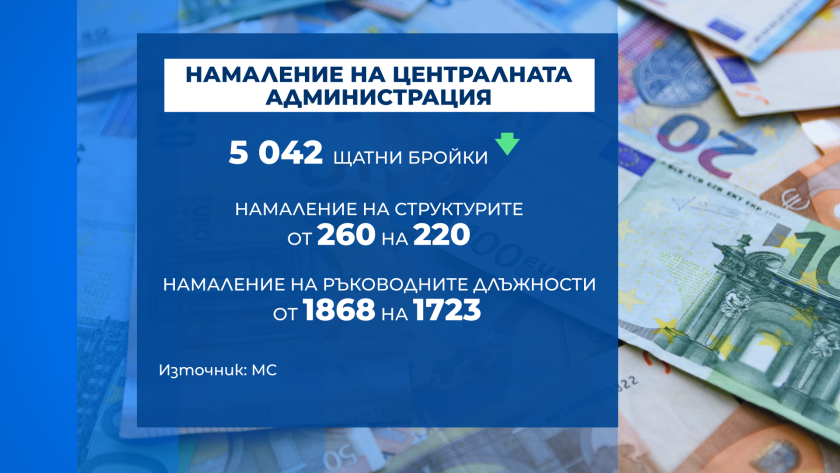
The 2027 budget provides for a 10% reduction in staff costs across the public administration. To achieve this, around 5,000 posts will be cut. The largest reductions will be at the Ministry of the Interior, followed by the Ministry of Agriculture and Food and the Ministry of Regional Development and Public Works. The smallest number of posts will be cut at the Ministry of Foreign Affairs, the Ministry of Sport and the Ministry of Culture.

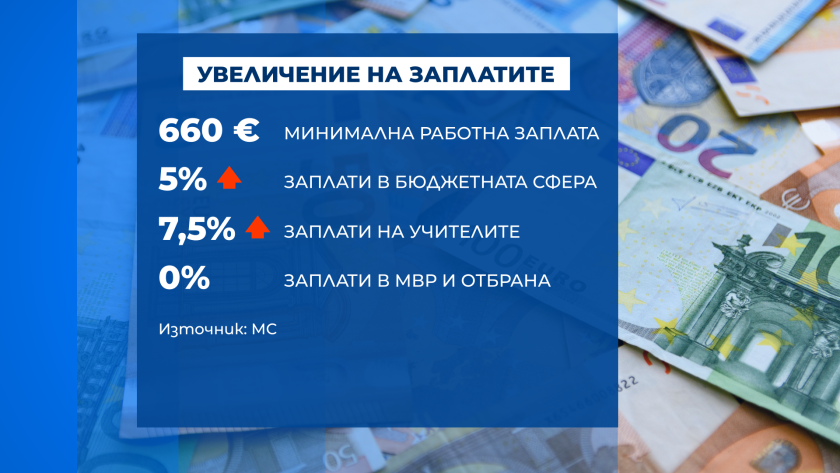
However, there will be a 5% increase in salaries in the public sector. Teachers’ salaries will increase by 7.5 percent. There will be no pay rises in the security and defence ministries, or for ministers, MPs and senior executives at state-owned enterprises. Pensions will be increased from 1 July under the Swiss indexation rule. Changes to taxation are also planned.

The smallest reductions in staffing levels will be at the ministries of foreign affairs, sport and culture.
Against this backdrop, salaries in the public administration are set to rise by 5%, while teachers' salaries will increase by 7.5%. Pay will be frozen in the security and defence ministries, as well as for ministers and MPs.

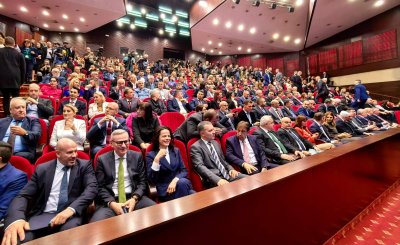
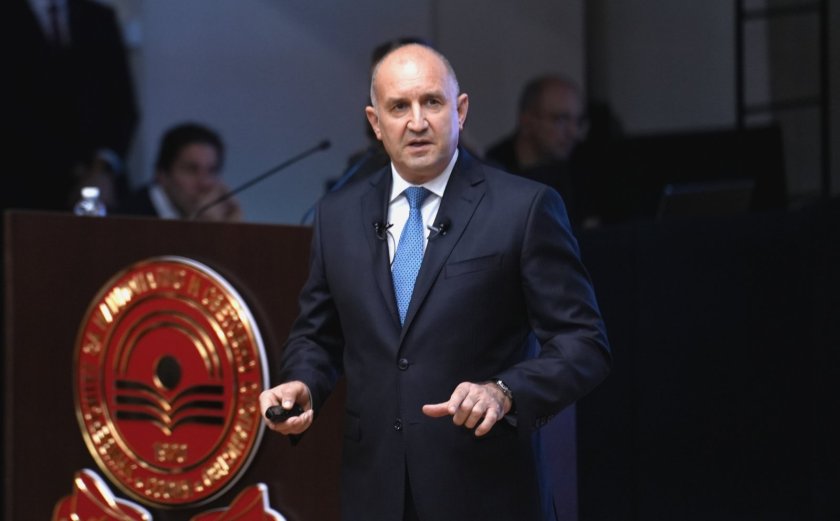
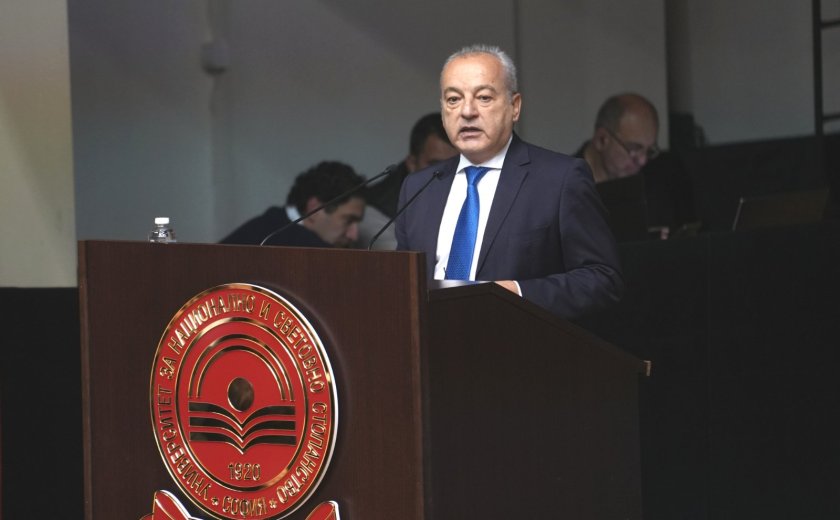
For the first time, the state budget was presented at the University of National and World Economy (UNWE), in the presence of Cabinet members, lecturers and students. Opposition party leaders, who had been invited to attend the presentation the previous day, were absent.
At the beginning of the event, Prime Minister Rumen Radev appealed to university lecturers to help by putting forward ideas for stabilising public finances.
Rumen Radev, Prime Minister: “If you ask me what Budget 2027 is, I will give you a very simple answer: it is a heavy lorry with failed brakes, hurtling downhill towards an abyss, and we have to stop it and turn it back up the slope.”
Stabilising public finances is one of the Government's main priorities.

“Our goal is one, and it is very clear: for Bulgarians to live better and more securely.”

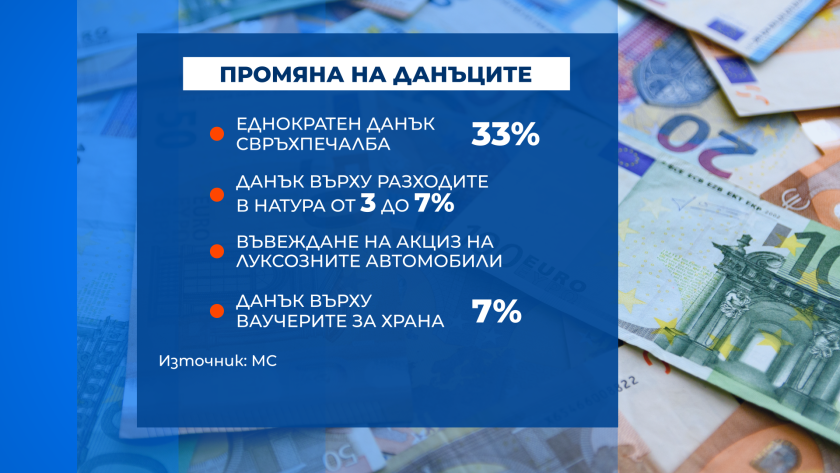
The new budget provides for increases in both expenditure and revenue. A one-off excess profits tax will be introduced in six sectors, the tax on benefits in kind will rise to 7%, an excise duty on luxury cars will be introduced, and food vouchers will be subject to a 7% tax.

Rumen Radev, Prime Minister: “We want to unlock the power of initiative and private capital so that all these new infrastructure projects can be built with private investment, freeing up public resources for strategic sectors such as healthcare, education and others.”

More funding has been earmarked for defence and social assistance. Amendments to the tax legislation, which have yet to be approved by the National Assembly, provide for a new tax relief for parents to support child development. The maternity benefit for the second year of parental leave will increase to €450.

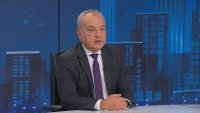
Galab Donev, Deputy Prime Minister and Minister of Finance: “In terms of changes in expenditure across the ministries, the Ministry of Defence will see the largest increase in capital expenditure, followed by the Ministry of Labour and Social Policy.”

Students from the University of National and World Economy also attended today's presentation.
Preslava Petrova: “I think the plan is too ambitious. As we have seen, the deficit this year is 4%, and they want to bring it down to 3.2% over the next two years. I think it will take longer.”

Isabel Rokova: “Looking at the charts, I can see that funds have been allocated to every sector. I hope they will genuinely provide support to these areas. We will see how things develop and assess the results in due course.”
The draft budget will be discussed with the social partners next Wednesday. It is due to be approved by the Council of Ministers by Friday before being submitted to the National Assembly for a vote.
Ombudsman Proposes Lower VAT Rate on Natural Gas for Households During the Current Heating Season
Konstantin Trenchev Dies – One of the Defining Figures of the Trade Union Movement and Bulgaria’s Transition
Konstantin Trenchev, Founder of "Podkrepa" Trade Union Confederation, Has Passed Away
Seven People Charged with Involvement in Criminal Group, Four Linked to Customs Control
Гълъб Донев: Ако не спрем галопиращите дефицити и дълга, неминуемо катастрофата е сигурна
Опозицията разкритикува Бюджет 2027: Води страната към рецесия и трайно обедняване