
ИЗВЕСТИЯ

Моите новини
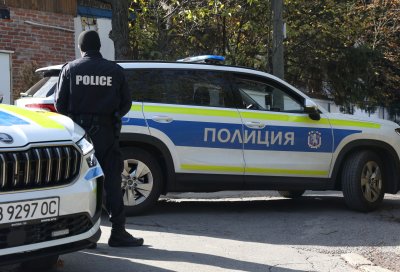
МВР атакува финансови и заложни къщи в София (СНИМКИ)
Чете се за: 00:47 мин.
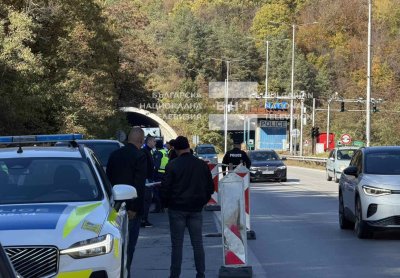
Гръцките фермери затвориха ГКПП "Кулата –...
Чете се за: 00:32 мин.
ЕК започна разследване на "Гугъл"
Чете се за: 01:07 мин.

ЗАПАЗЕНИ

“Climate: The Hot Truth”: Rising Temperatures and Unstable Seasons in Bulgaria

bnt avatar logo от БНТ
A+ A-
Чете се за: 04:20 мин.
EN

Average temperatures have risen by nearly a degree and heatwaves are lingering longer

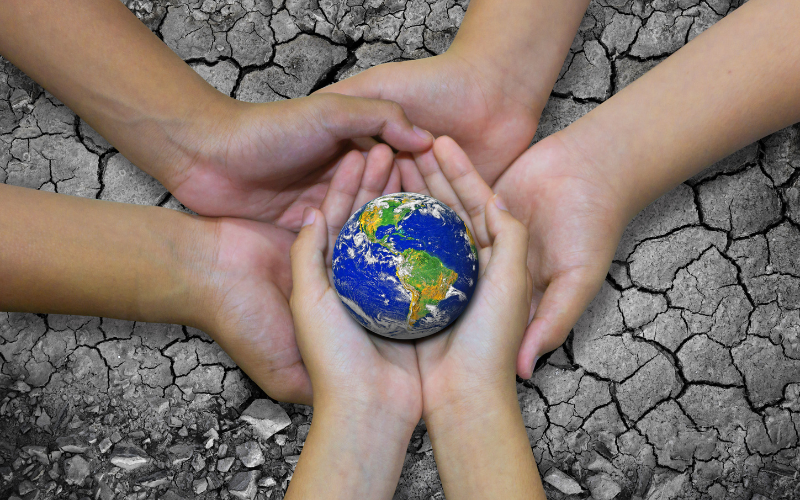
срещата климата баку скара бедни богати

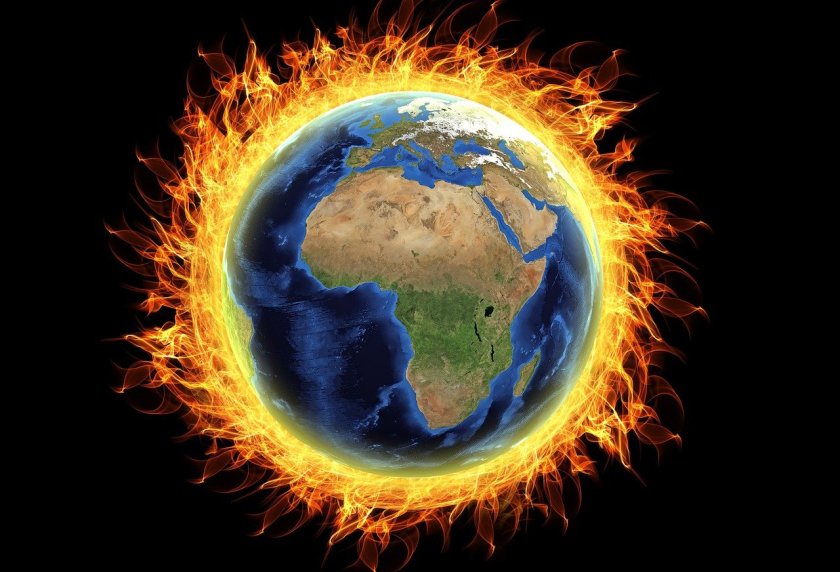
Europe and the world have been warming over the past fifty years. The winter of 2023 was among the warmest on record, and the summer of 2024 set new records for heatwaves. How is Bulgaria’s climate changing, and what can we expect?

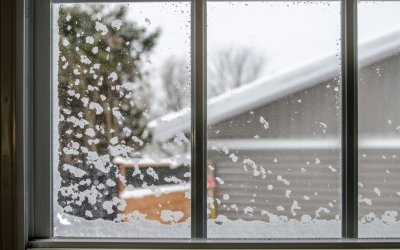
Seasons are no longer what they used to be. Snowfall in Bulgaria now tends to shift towards March and April, and even in the Rila and Pirin mountains, snow cover is 30–40% thinner than it was 20 years ago.

Assoc. Prof. Liliya Bocheva from the National Institute of Meteorology and Hydrology (NIMH) said:
“The fact that in the lowlands we no longer have areas with persistent snow cover—and we instead see patchy snow lasting no more than a week—means that at least in my generation, winters in childhood looked very different from what we have now.”

Since the mid-20th century, average temperatures in Bulgaria have risen by 0.9°C. While this may seem small, it significantly alters both the climate and the environment we live in.

Bocheva noted that temperatures have increased across all seasons. Since 2000, most years have recorded above-average temperatures, making 2024 the warmest year on record.

In Sandanski, thermometers exceeded 40°C for nine consecutive days in 2024—a national record for an extreme heatwave.

Assoc. Prof. Liliya Bocheva, NIMH: “This year, 2025, summer has also been quite warm in July, with around seven consecutive hot days in the Petrich area and six in Sandanski. It’s not that such temperatures haven’t occurred before, but prolonged heat has a different impact on both people and the environment.”

Prof. Lyudmil Vagalinski, working at the Heraclea Sintica archaeological site, described the challenge:
“It’s tough! Over 40°C in the shade—42, 43, 44. This summer, we again experienced such heat. I reduced working hours from 6 a.m. to noon because after that it becomes difficult to breathe, and even the instruments fail. Thankfully, no one was harmed, even working with machinery at great depths.”

Climate change is not just about “getting hotter”—it also brings instability. Rivers sometimes run low despite average rainfall remaining stable.

Bocheva explained:
“The reduced river flow is less about total rainfall and more about the type of rainfall. Short, intense events, like summer storms or the recent autumn downpours, contribute more to local disasters than to sustained river flow.”

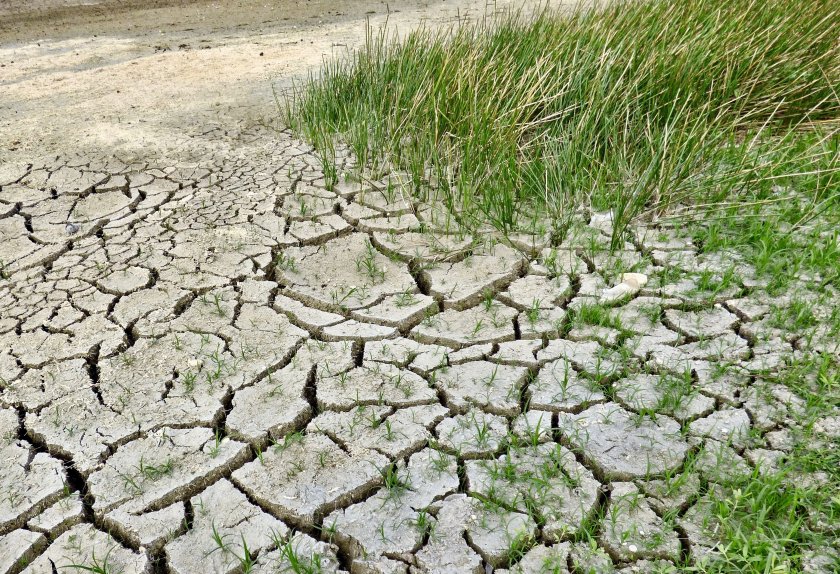
Temperature records, heatwaves, drought, and unstable seasons are more than meteorological phenomena—they are a warning. The question is how the world will respond to this challenge

Последвайте ни

ТОП 24

Най-четени

Водещи новини

Product image
Новини Чуй новините Спорт На живо Аудио: На живо
Абонирай ме за най-важните новини?