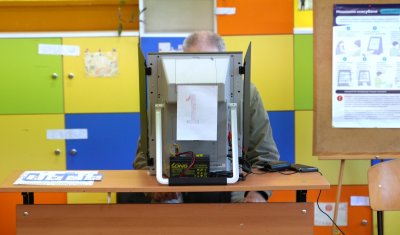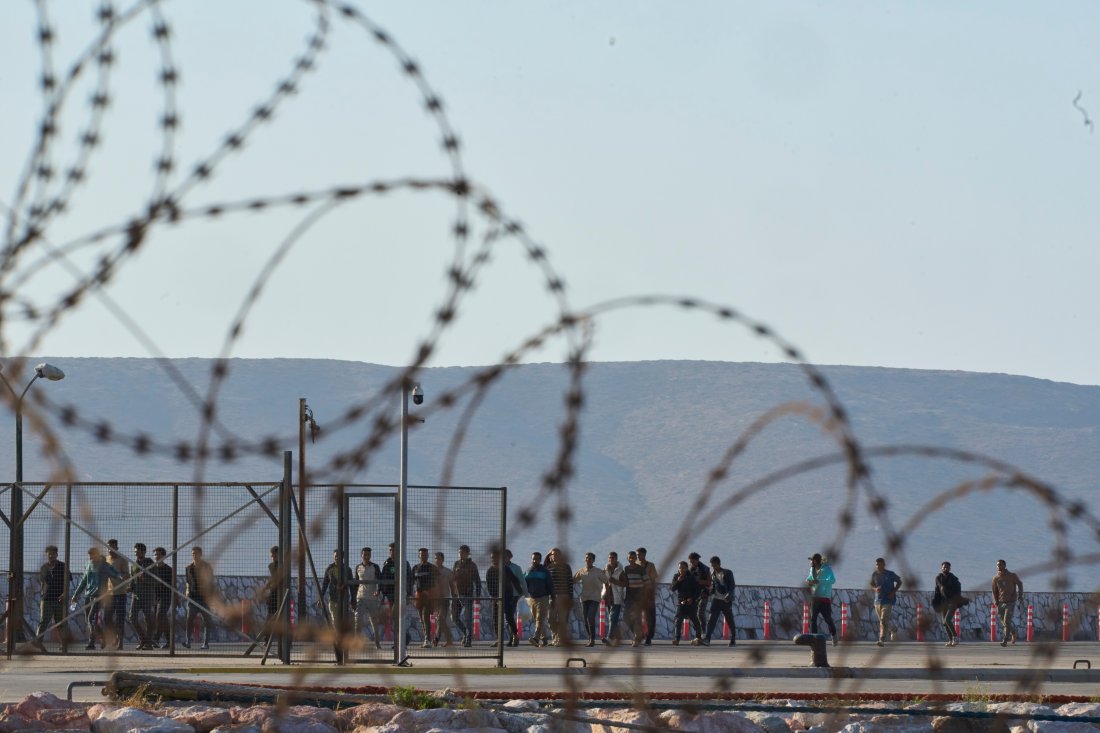
The European Union's Pact on Migration and Asylum officially entered into force today, June 12, marking the beginning of a major overhaul of the bloc's migration policy. The reforms are designed to strengthen control over who enters the EU, who is entitled to remain, and who should be returned to their country of origin.
The new rules also aim to distribute responsibility more fairly among member states, easing the burden on frontline countries such as Bulgaria.
After years of political deadlock and disagreements among member states, the reform of the EU’s migration policy begins to take effect today. The new rules are a response to the 2015 crisis, when over one million migrants arrived in Europe and European countries found themselves unprepared for the pressure.
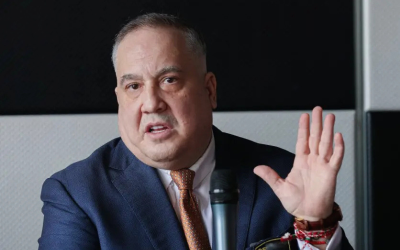
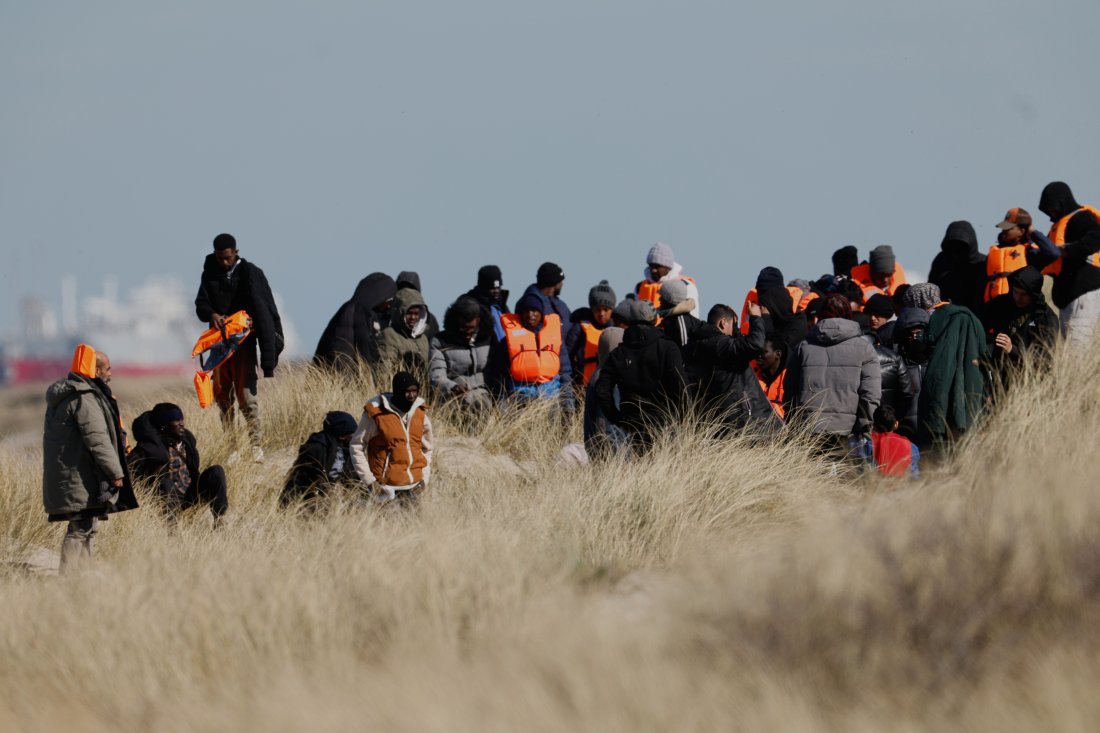
Markus Brunner, European Commissioner for Migration: "Today is a very good day for Europe. The Pact is an important step forward. It is the beginning, not the end, of our efforts. For the first time, Europe has a common migration policy and a common migration system. Over the past ten years, we have had to shoulder significant responsibility without having the necessary rules and structures. That is no longer the case."
Under the new framework, migrants entering the European Union will undergo identity checks, while facial biometric data and fingerprints will be stored in a central database. The screening process is intended to determine within one week who may apply for asylum in the bloc and who should be returned to their country of origin. Special procedures will also apply to individuals considered a potential security risk.
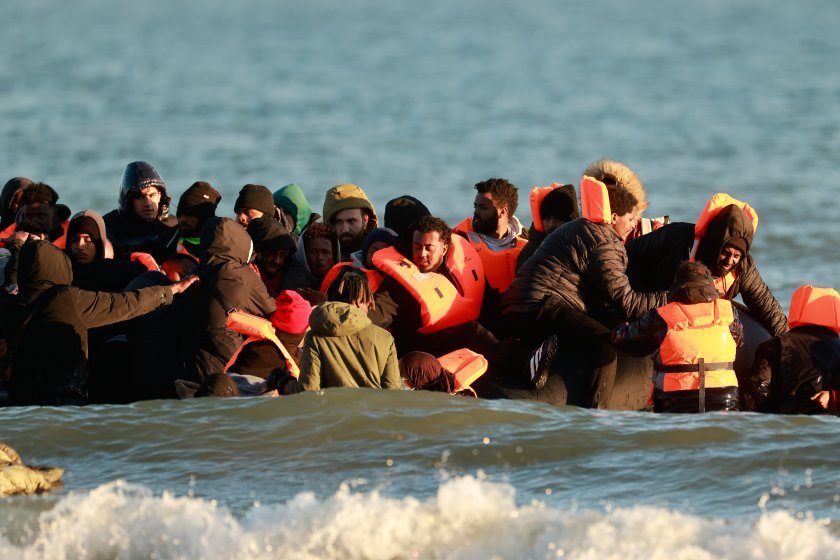
Markus Brunner, European Commissioner for Migration: "For the first time, we can say that we are saving lives because we are sending a clear message to people embarking on this dangerous journey, which too often ends in death in the Mediterranean Sea. We are establishing many red lines, but, of course, human rights must be respected."
Under the revised rules, the country where an irregular migrant first enters the European Union will remain responsible for examining that person's asylum application. This places additional pressure on member states that form part of the EU's external border, including Bulgaria.
That is why a solidarity mechanism is being introduced, which compels member states to accept a certain number of asylum seekers.
Governments that choose not to participate in relocations will instead be required to contribute €20,000 for each migrant they decline to accept, with the funds directed to the member states bearing the greatest burden.


 ЦИК при обработени 17,86% СИК протоколи: Йотова и Гюров отиват на балотаж на 1 ноември (ОБНОВЯВА СЕ)
 Историческа победа за студентите, Вучич призна загубата си на парламентарните избори в Сърбия









 Чуй новините
 Подкаст