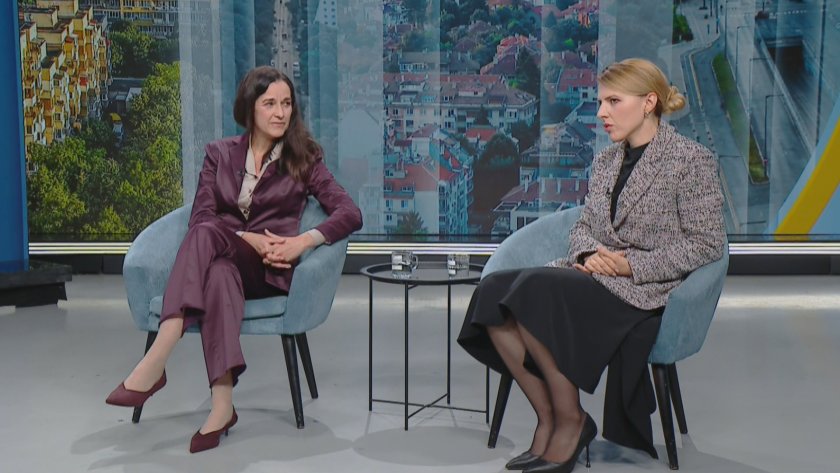
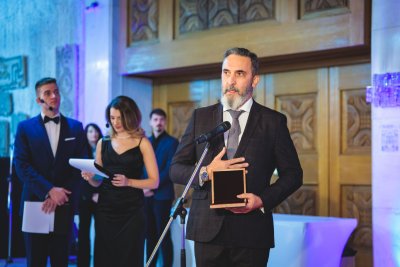
Anita Orban, Hungary’s Deputy Prime Minister and Minister of Foreign Affairs, and Bulgaria’s Foreign Minister Velislava Petrova were guests on BNT’s The Day Begins on October 20. In the studio, they discussed current issues including drone attacks in the Black Sea, the war in Ukraine, the role of diplomacy in achieving peace, and protests across Europe.
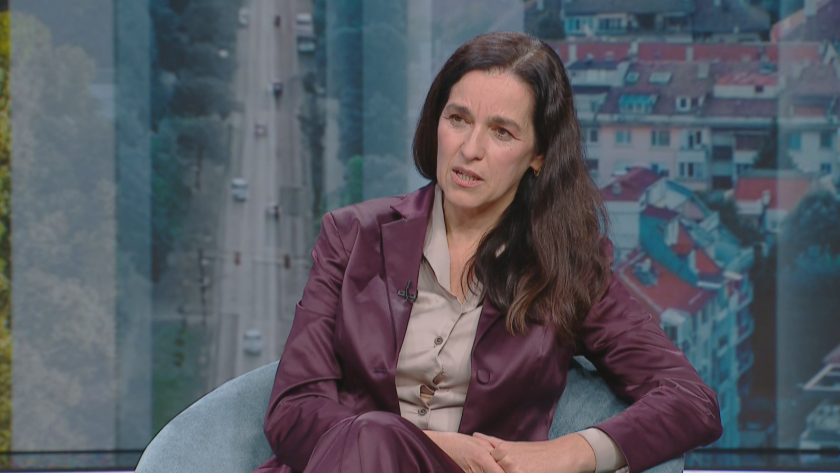
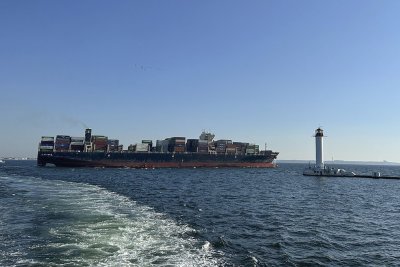
“Hungary stands firmly in solidarity with Bulgaria over the attacks in the Black Sea. We strongly support the security and resilience of shipping in the Black Sea. It is one of the critically important routes to Europe, as well as to Central Asia. Disruptions to supplies could also create a serious problem if they lead to food shortages. Shipping and the delivery of food and grain through the Black Sea must be guaranteed and made safe,” Anita Orban said.
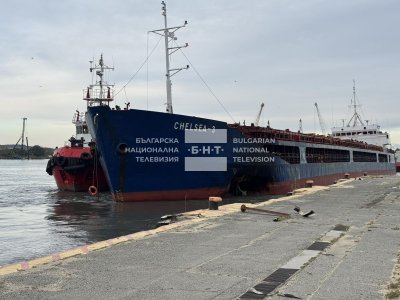
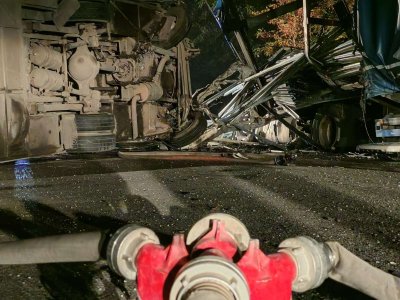
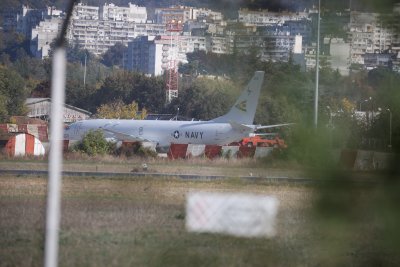
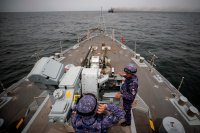
Velislava Petrova noted that the Black Sea is important not only to Bulgaria as a coastal country, but also to Europe as a whole. She said it had become clear that the attacks, which were continuing beyond Bulgaria’s exclusive economic zone, were creating the impression that commercial vessels had become a battlefield.
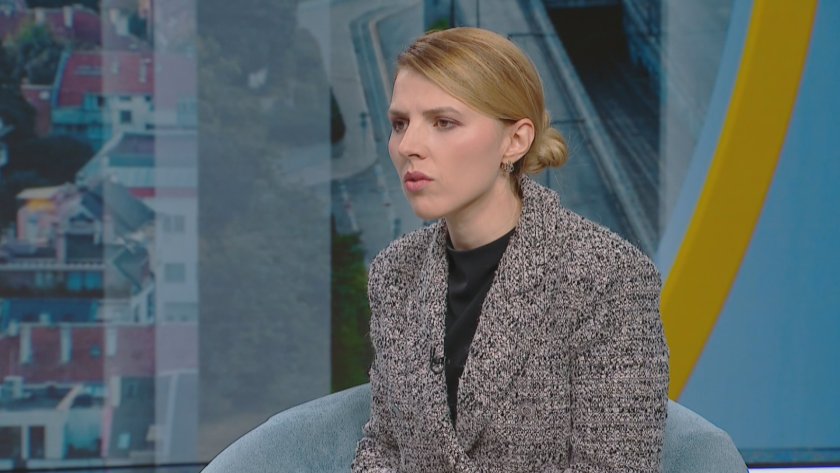
“This is absolutely unacceptable. That is why we have been working with our political partners to send a clear political message that diplomatic efforts must be pursued actively to stop all military action. This is not just about grain exports, but about commercial vessels of every kind, because, as you have seen, oil tankers have also been hit near Romania. This is extremely important, and we will work both through the European Union and through NATO.”
She said diplomatic efforts should aim to secure an agreement among all Black Sea countries to halt all forms of military action.
On the war in Ukraine, Hungary’s Deputy Prime Minister and Foreign Minister said that both sides wanted a diplomatic solution and an end to the war as soon as possible, adding: “We want a just and lasting peace.” Hungary’s positions were similar to Bulgaria’s, she said, including their opposition to sending weapons to Ukraine. Hungary did not support fast-tracking Ukraine’s EU accession, but favoured a merit-based approach.
Velislava Petrova confirmed that, on this issue, there were far more similarities than differences between the two countries.
“We believe diplomacy needs to play a more active role and that Europe must be actively involved. We believe that when Ukraine makes progress, it should be supported. That is why both countries backed the opening of the next two clusters. Our shared focus on diplomacy and on moving away from an approach centred solely on the military aspects of the war is something that brings our two countries together.
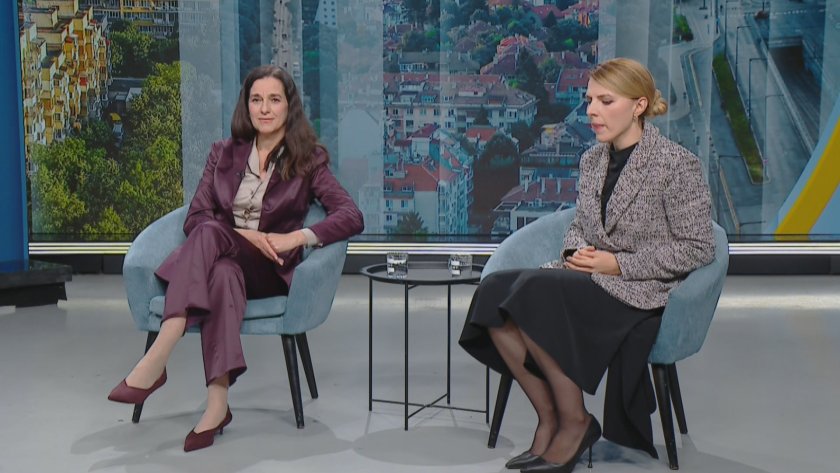
According to Velislava Petrova, the end of the war must be based on “clearly agreed terms and parameters negotiated diplomatically between Ukraine and Russia”.
“We can see the role played by Europe, the United States and other countries. But ultimately, the two sides that will determine the terms on which peace is achieved are the two parties at war.”
She stressed that if Europe did not take part in the negotiations, it would find it very difficult to ensure an outcome that served its interests. Europe therefore had to be involved.
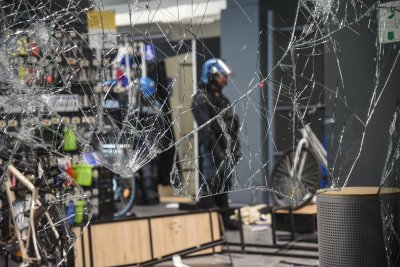
Commenting on the unrest in France, Bulgaria’s Foreign Minister described it as “a major polarisation of societies across Europe, which is being exploited by extremist political forces”.
“We can see a huge difference between peaceful protest, as it began in France, and what it turned into, with acts of vandalism. There is no place for this, and it is absolutely unacceptable. The difficulty, however, is that this kind of division and polarisation is not happening only in France, and it is always destructive.”
She said that when people wanted change, it should come through elections, not vandalism.
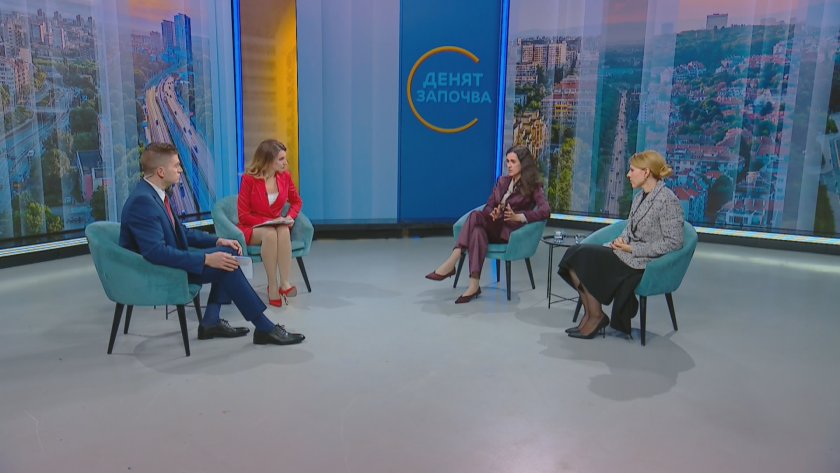
Anita Orban said it was important to distinguish between peaceful protesters and those for acts of vandalism and looting. She expressed Hungary’s solidarity with France and hope that the country wouresponsibleld manage to bring the situation under control. As for the protests themselves, she said that “people need to be heard”.
In her view, competitiveness is one of Europe’s most important issues because “people want growth, security and predictability”.
“People want a good social welfare system, and their concerns must be heard.”
She said relations between Hungary and Bulgaria were stable politically, economically and culturally.
On BNT’s The Day Begins, the two ministers also discussed bilateral relations between Bulgaria and Hungary, EU enlargement, North Macedonia’s path towards membership, and their shared goals and priorities.







 Чуй новините
 Подкаст