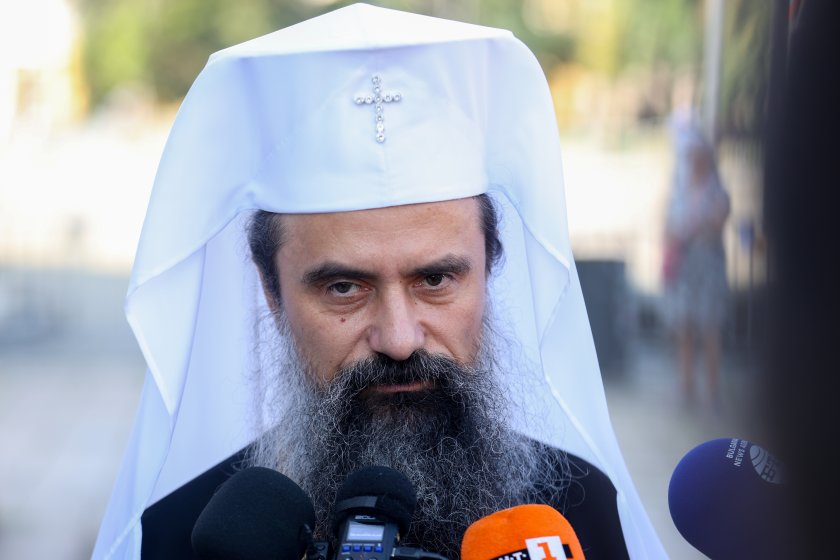
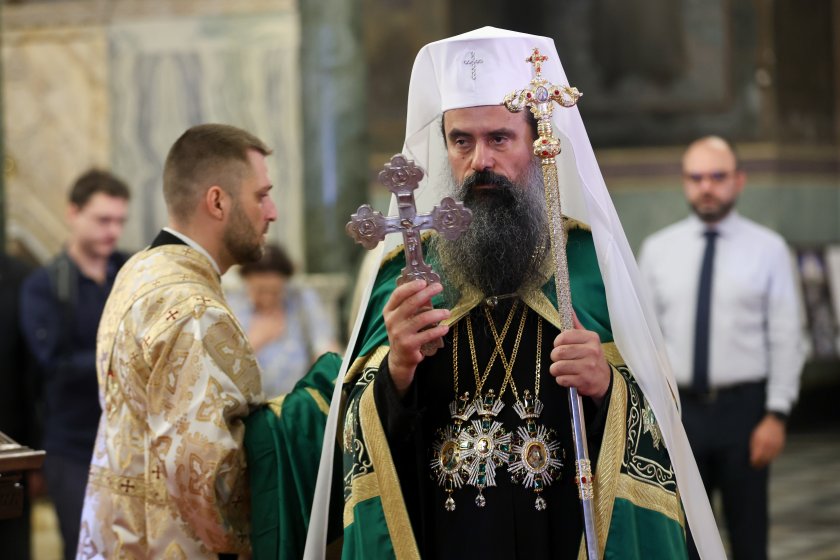
The Bulgarian Patriarch Daniil has said that his two-year tenure will ultimately be judged by the public, as he marked the anniversary of his election and enthronement on June 30.
"The public will be the one to judge. What gives me joy is that the Bulgarian Orthodox Church enjoys a high level of public trust, as well as the confidence of the country's institutions. That is something positive, for which we thank God and everyone who supports us in this ministry," His Holiness said.
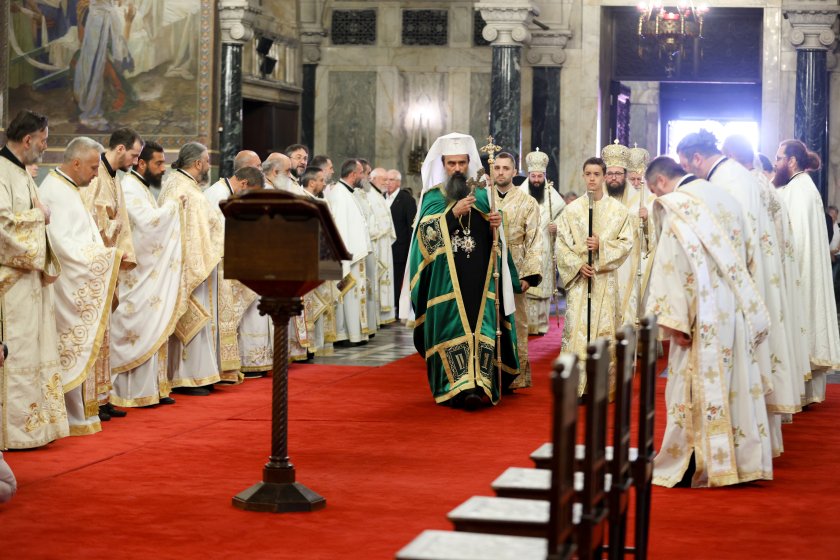
Two years ago, Patriarch Daniil was elected by the Church and People's Council, defeating the Metropolitan Gregory of Vratsa by 69 votes to 66. He was enthroned later the same day at St Alexander Nevsky Cathedral. The anniversary was marked with a Divine Liturgy led by the Patriarch and concelebrated by metropolitans and bishops.
Worshippers attending the service described him as:
"Close to the people and always seeking ways to help us grow closer to God."
"Worthy."
"An excellent choice."
Patriarch Daniil also expressed hope that the school subject "Virtues and Religion" would finally become part of the compulsory national curriculum.
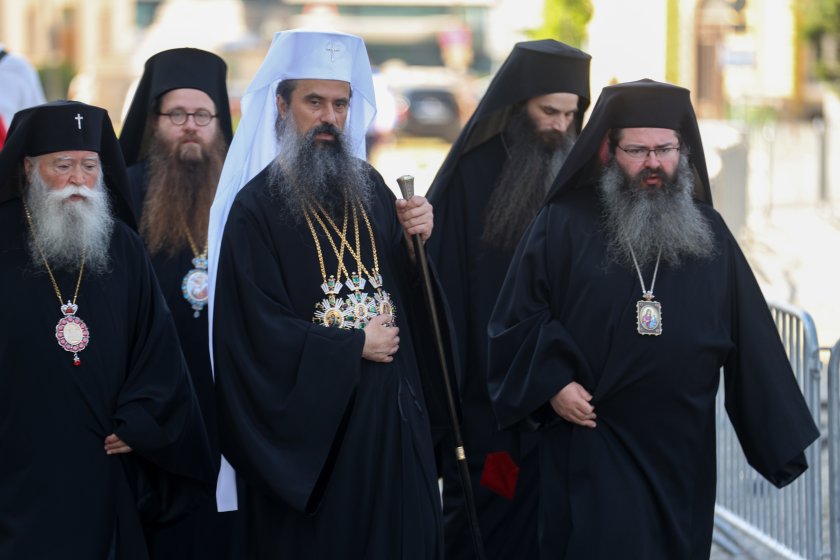
"Since the beginning of the democratic transition, this has been a strong wish of the Holy Synod. The issue was consistently raised by both Patriarch Maxim and Patriarch Neofit. It is encouraging that, over the past few years, a favourable climate has emerged. I am pleased that there was broad consensus in both the previous and the current National Assembly. These amendments passed their first reading with strong cross-party support, with only a few exceptions. God willing, this process will have a successful conclusion."
Photos: BTA
Commenting on Prime Minister Rumen Radev's position calling for the removal of sanctions against Patriarch Kirill of Moscow, His Holiness said:
"Let us not mix geopolitics with Church affairs. At a recent meeting between Pope Leo and cardinals from around the world, it was also stated that the sanctions imposed by the European Union target certain countries while military assistance is provided to others. At the same time, the same principle is not applied in other regions where there are armed conflicts, invasions and far more devastating consequences for entire nations. No such sanctions are introduced there. This suggests that these sanctions primarily serve political and economic interests rather than the pursuit of international law."


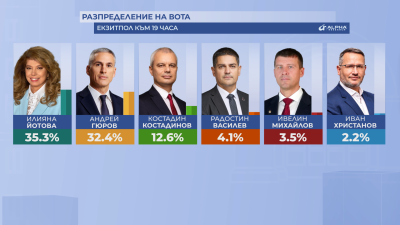
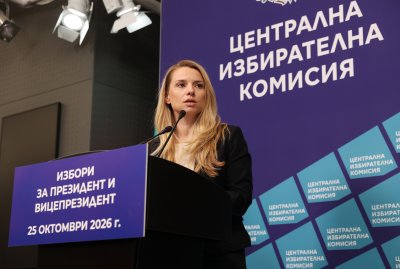
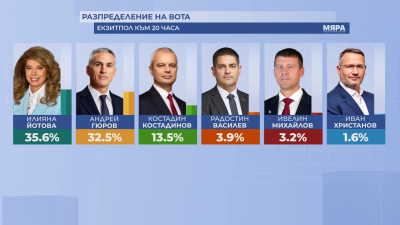
 Central Election Commission: With 7.37% of Polling Station Protocols Processed, Iotova and Gyurov Head to a Run-off in Presidential Election on 1 November
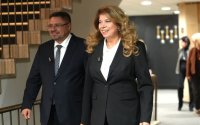 Илияна Йотова: Илюзия е, че ако не се гласува, можем да извършим промяна в страната
 Историческа победа за студентите, Вучич призна загубата си на парламентарните избори в Сърбия









 Чуй новините
 Подкаст