

Recordings from Medical Examinations in Sofia’s Reduta District Appear on Paid Pornographic Websites
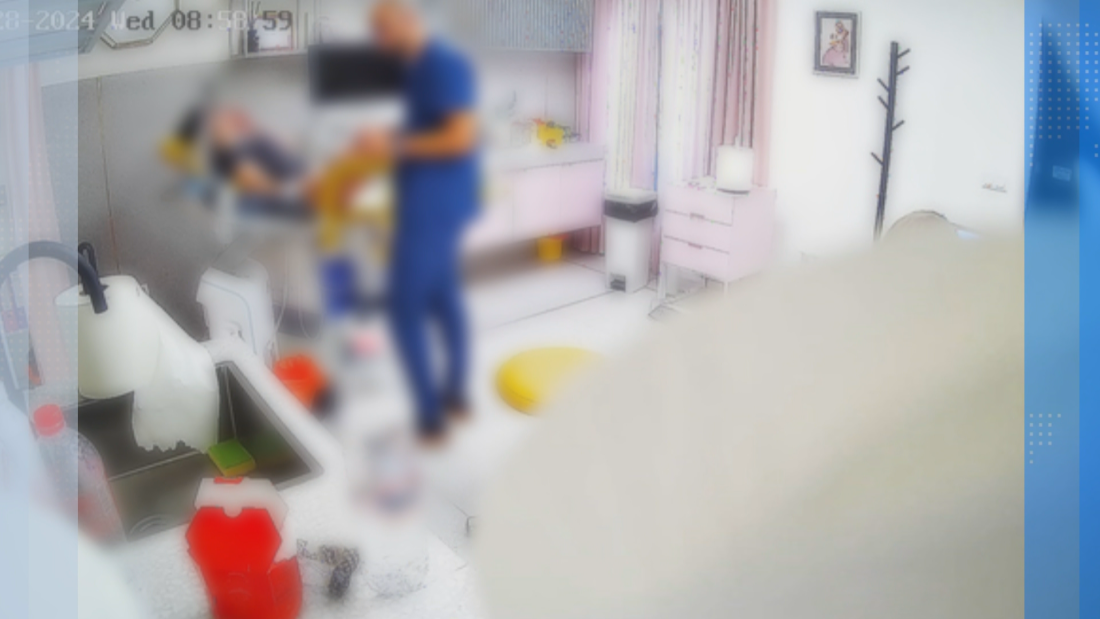
An anonymous tip sent to the media from Sofia’s 'Reduta' district has raised concerns about the presence of video surveillance in a gynaecology and obstetrics clinic. According to the signal, women were recorded during gynaecological examinations, with some of the videos already appearing on paid pornographic websites. Until now, similar cases had been linked mainly to beauty salons, but this time the allegations concern a medical practice.
The doctor who appears in the footage told the media that the camera had been set to record only outside working hours and to activate on motion, and that it had been installed by a licensed company. He said the device was placed inside the consulting room because of the medical equipment located there.

From a legal perspective, however, video surveillance in medical consulting rooms falls under the strict regime of the General Data Protection Regulation (GDPR).
“Video surveillance constitutes the processing of personal data within the meaning of the General Data Protection Regulation, as it involves the collection and storage of images that allow individuals to be identified,” lawyer Vili Kostadinova told Bulgarian National Television’s programme “The Day Begins” on February 5.
She stressed that such a practice is permissible only if there is a clearly defined and legitimate purpose:
“It is extremely important to understand that video surveillance is allowed only where there is a clearly defined and legitimate aim that cannot be achieved by other means.”
According to Kostadinova, installing a camera in a consulting room cannot be justified on grounds of security or protection of equipment:
“There is no way to justify placing a camera in a room where gynaecological examinations are carried out in order to protect property or medical equipment.”

The Commission for Personal Data Protection has previously issued opinions on similar cases, stating that patients in medical settings have an increased and legitimate expectation of privacy.
“In such cases there is a heightened risk of unlawful processing and disclosure of sensitive data, which is why this type of video surveillance, as a rule, does not comply with the principles of the General Data Protection Regulation,” the lawyer explained.
Beyond potential breaches of data protection law, the case also raises serious questions about medical confidentiality.
“When it comes to health information, it is afforded the highest level of protection and, in principle, cannot be disclosed. Medical confidentiality has been breached, as has the right to respect for private and family life guaranteed under Article 8 of the European Convention on Human Rights,” Kostadinova added.
Patients who believe they may have been unlawfully filmed can file a complaint with the Commission for Personal Data Protection and seek compensation for non-material damage through civil proceedings.
Интимност на показ: Гинекологът д-р Венелин Иванов и съпругата му са задържани за 24 часа