

The Black Vulture is extinct as a breeding species in Bulgaria and its recovery started after 2018.
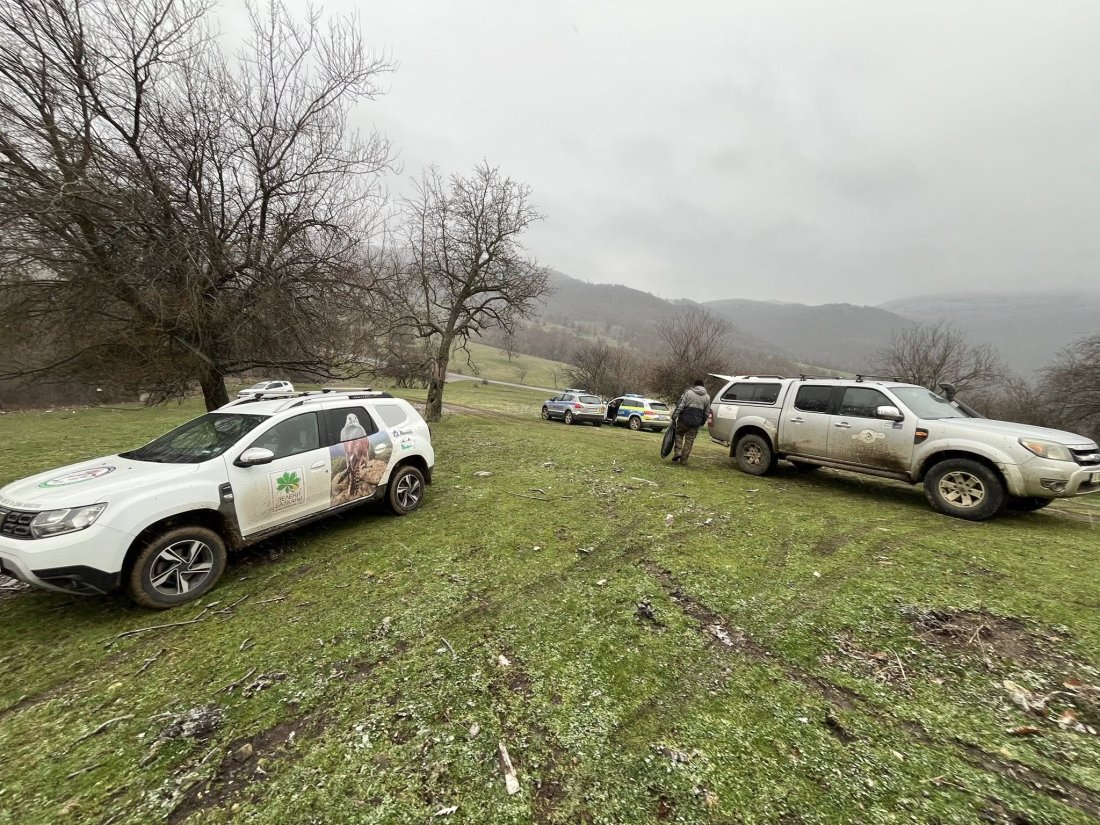
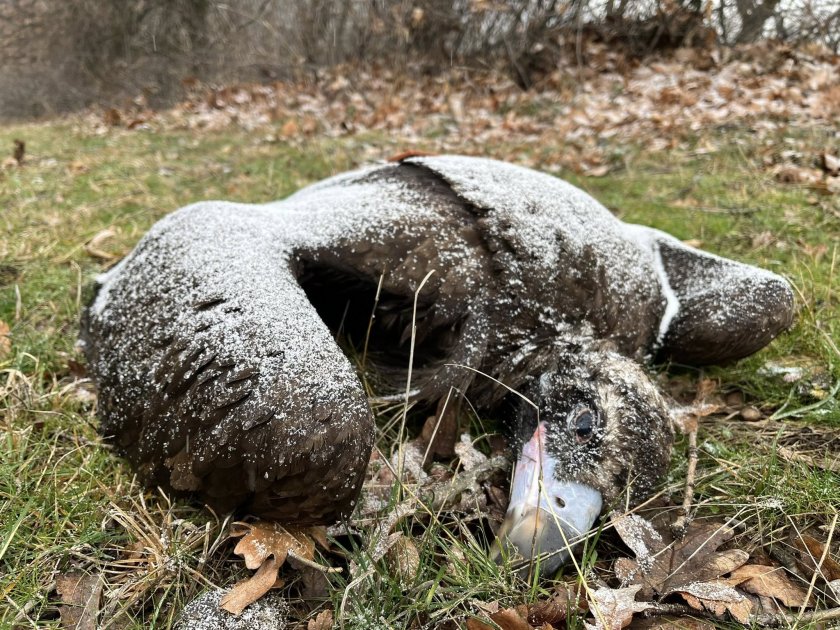
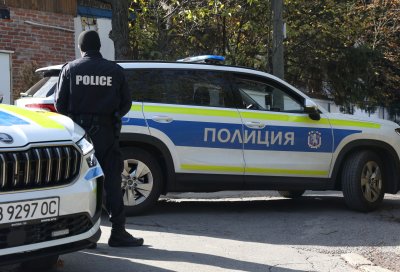
Four black vultures have been found dead in recent days, with poisoning suspected, reported Emilijan Stoynov from the Wild Flora and Fauna Fund. A pre-trial investigation has been launched, and law enforcement is already working on the ground.
According to Stoynov, the birds were discovered in stages. Thanks to GPS transmitters, teams have been able to respond quickly and pinpoint the locations. The poison does not act immediately, meaning the vultures do not die at the site of the bait but move around and fall in different places, whether returning to their roosts or searching for water, Stoynov explained.
With the help of the data from the transmitters, there is now an approximation of where the poisoning occurred. Animal remains have been found in the area, but exactly what the vultures consumed has yet to be determined through forensic tests. A similar incident was recorded four years ago when dogs were initially poisoned and the birds fed on them.
Stoynov noted that such cases are most often the result of deliberately placed poisoned baits intended for predators such as jackals, wolves, or stray dogs.
“This is absolutely illegal and punishable, but unfortunately very difficult to prove. The practice is extremely inhumane, does not discriminate in its victims, and domestic animals—and even humans—can be harmed, because the poison is invisible,” Stoynov added.
The Wild Flora and Fauna Fund emphasised that vultures are particularly vulnerable, as they are the first to find carrion and feed in groups.
“Sometimes entire colonies can be affected by a single bait,” said Stoynov, noting that without GPS devices, such incidents often go unnoticed.
The black vulture had completely disappeared as a breeding species in Bulgaria, with restoration efforts beginning after 2018. The first successful breeding was recorded in 2021 near Kotel. Currently, there are seven to eight breeding pairs and over 20 individual birds in the country, while the Kotel and Sliven Balkan regions are home to over 120 griffon vultures.
“Every loss is significant—it slows the success of the programme and undermines the trust of our partners in Western Europe, who provide us with birds,” Stoynov said.
Bulgarian law provides for fines exceeding 10,000 leva and criminal liability, including imprisonment, for the destruction of protected species or the use of poisoned baits. However, proving such cases remains a challenge.
“I hope this case involves accidental action—through ignorance or negligence—rather than deliberate poisoning,” Stoynov added.
He also noted that there have been cases of vultures being shot directly, which clearly indicates intentional harm. “The effect, however, is unfortunately the same,” Stoynov concluded.
Росен Желязков върна на президента мандата за съставяне на правителство неизпълнен