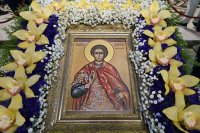

In Kalofer the celebrations started yesterday
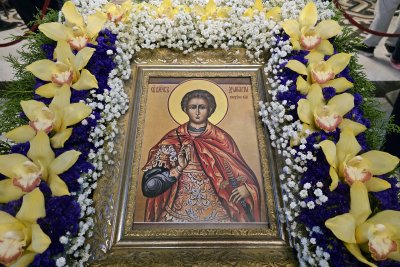
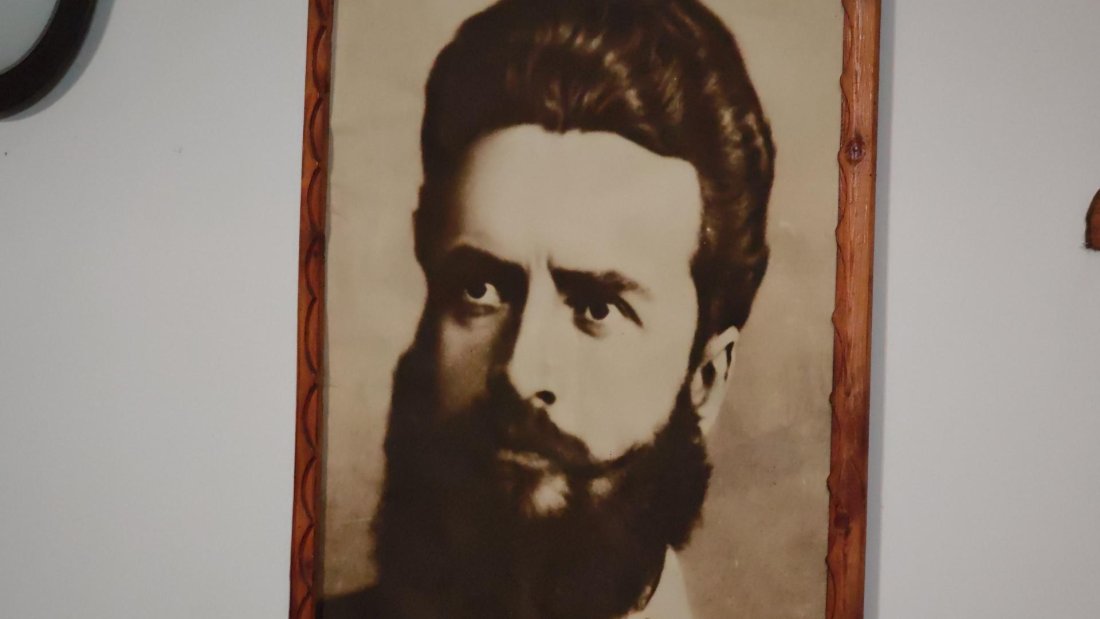
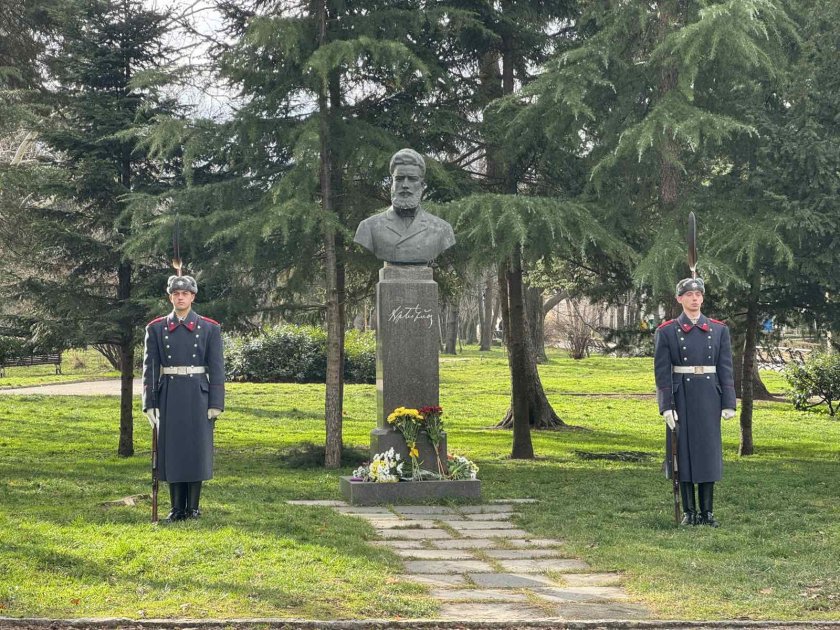
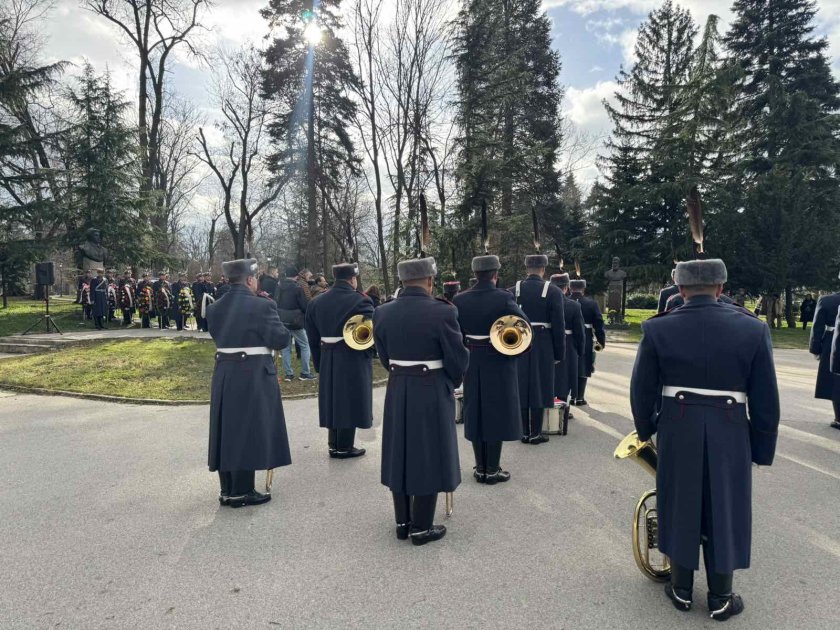
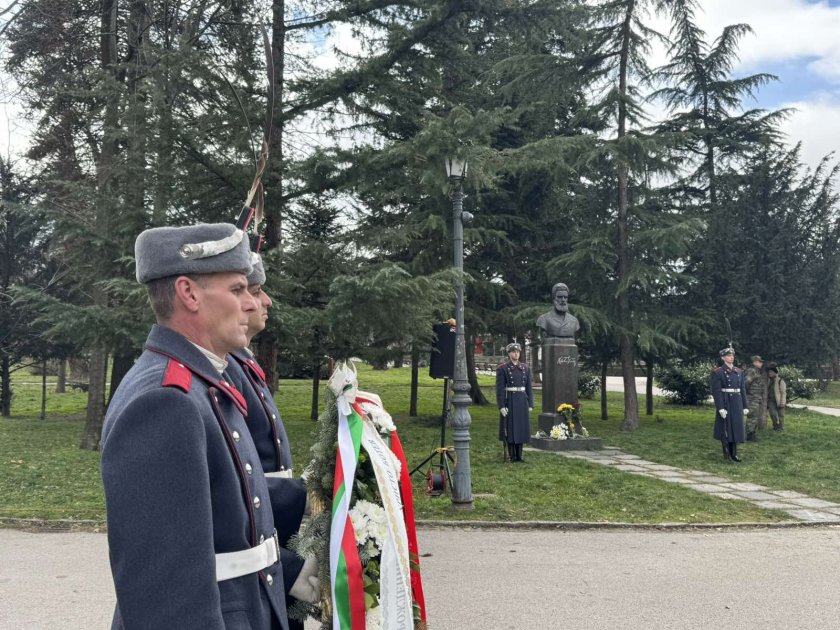
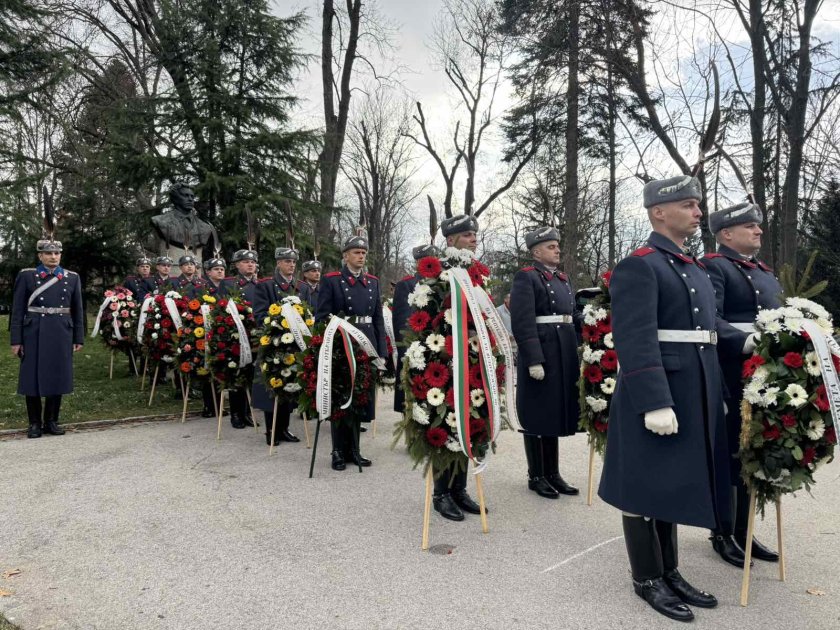
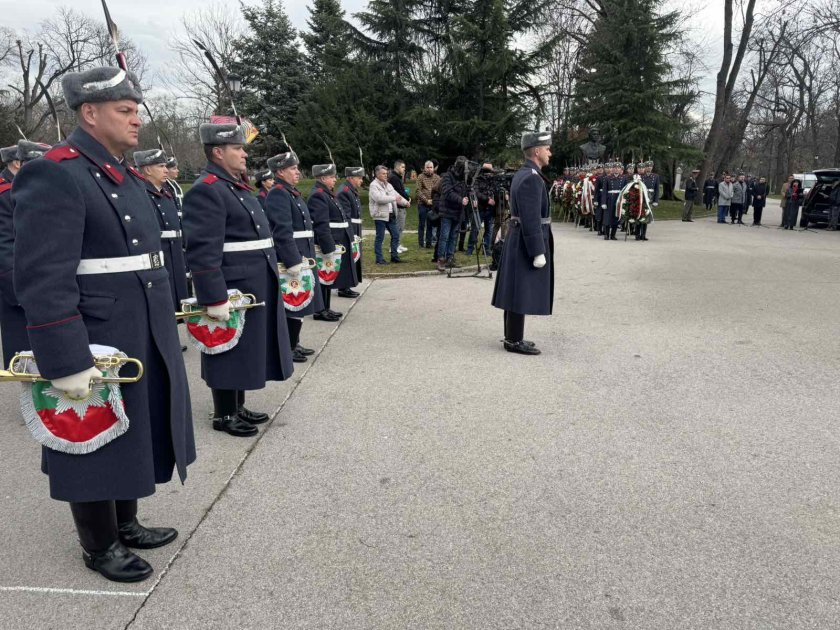
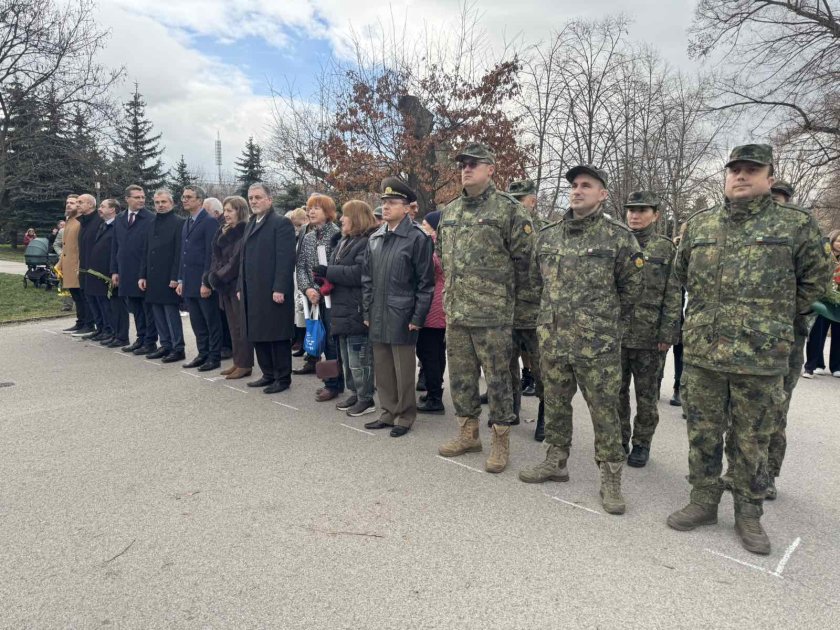
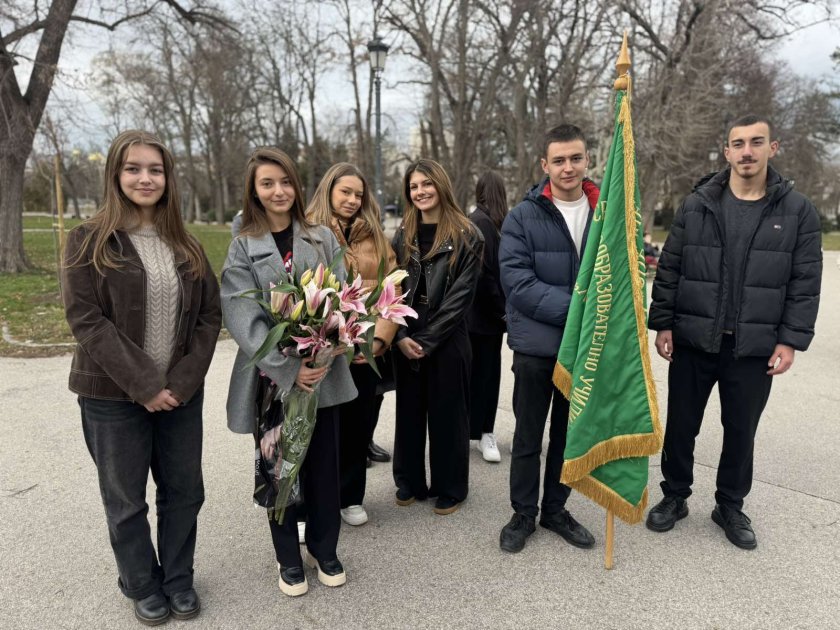
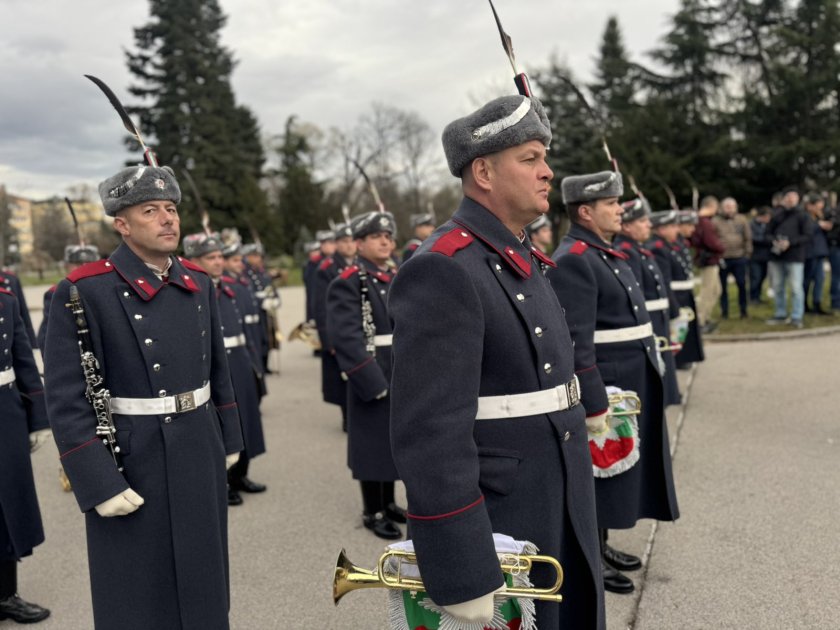
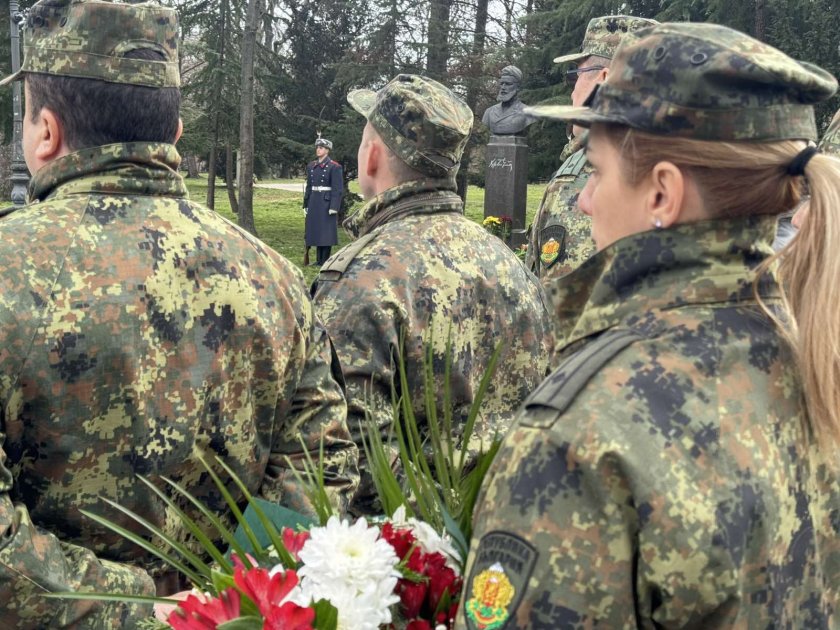
A ceremonial commemoration marking the 178th anniversary of the birth of the great poet, publicist, public figure and revolutionary Hristo Botev was held in Borisova Gradina in Sofia on January 6.
The town of Kalofer, Botev’s birthplace, also paid tribute to the 178th anniversary of his birth.
The ceremony featured performances by the male vocal quartet Svetoglas, the Representative Brass Band of the Guards, and actress Vasilka Sugareva.
***
Botev was born in Kalofer in 1848. His father was a teacher and one of the most significant figures in the late period of the Bulgarian National Revival.
In 1863, after completing his elementary education in Kalofer, Botev was sent by his father to a high school in Odessa, where he studied for 2 years. During this period, his ties to the Russian revolutionary movement and his political views began to form.
In 1867, he returned to Kalofer to teach in place of his ill father. In May, he made a public speech against the Ottoman authorities, which led to his exile and move to Romania seeking asylum.
From 1869 to 1871, Botev worked again as a teacher in Bessarabia, keeping close relations with the Bulgarian revolutionary movement and its leaders. In June 1871, he became editor of the revolutionary emigrant newspaper "Word of the Bulgarian Emigrants", where he published early poetic works.
He closely collaborated with the Russian revolutionists and worked for the Russian newspaper Svoboda (Liberty).
In 1873, he worked on the satiric newspaper “Alarm Clock” and published political fiction aimed at wealthy Bulgarians. He continued to write poetry with themes such as revolutionary zeal and freedom, with two of his more famous poems being, “In the Tavern” and “My Prayer”.
After the outbreak of the 1876 April Uprising, which had the goal to liberate Bulgaria from the five-century Ottoman rule, Botev began organising a troupe to enter Bulgaria and help the rebels.
On 30th of May, 1876, Botev and part of the troupe seized a ship and re-entered Bulgaria from Romania near Kozloduy.
Hristo Botev was killed on 1st of June 1876.
Since his death, many streets, cities and landmarks have been named after the revolutionary, including “Botev Point”, “Botev Peak”, and “Botevgrad”.
A football stadium in the South Bulgarian city of Plovdiv was named “Hristo Botev” in 1961 and is home to the professional football club “Botev Plovdiv”.


Очаква се да повдигнат обвинение срещу сина на Атанас Бобоков за притежание на наркотици