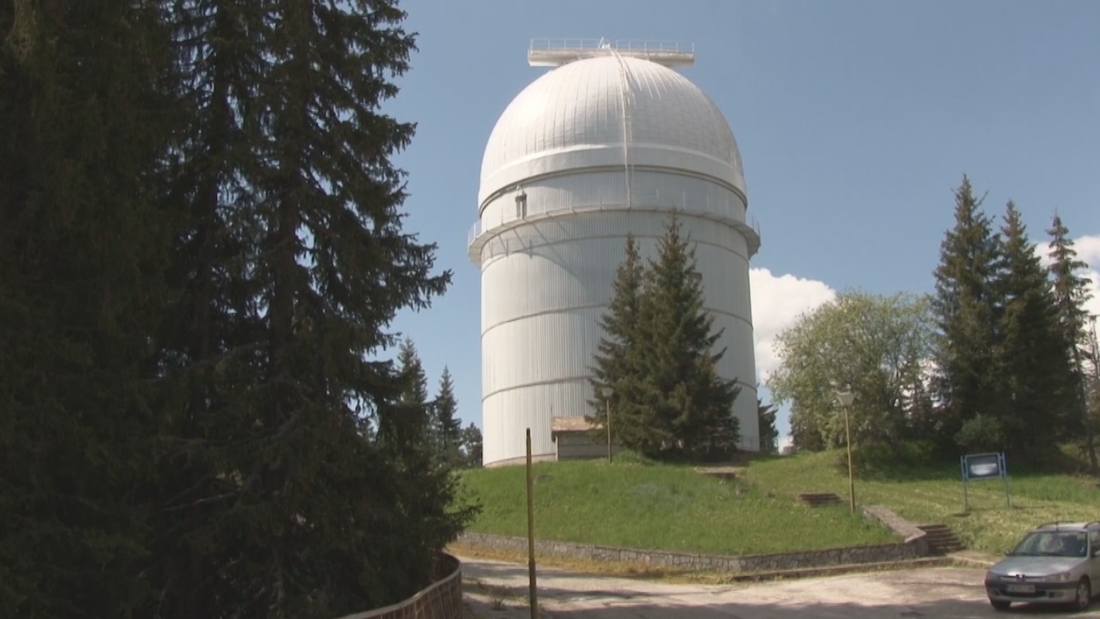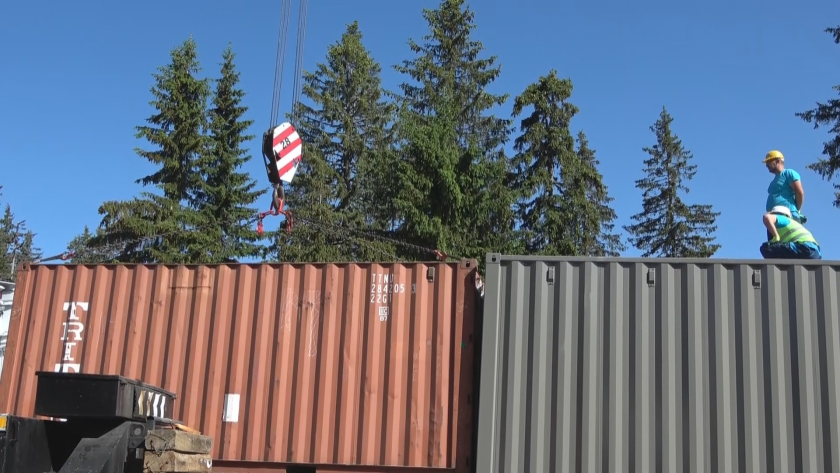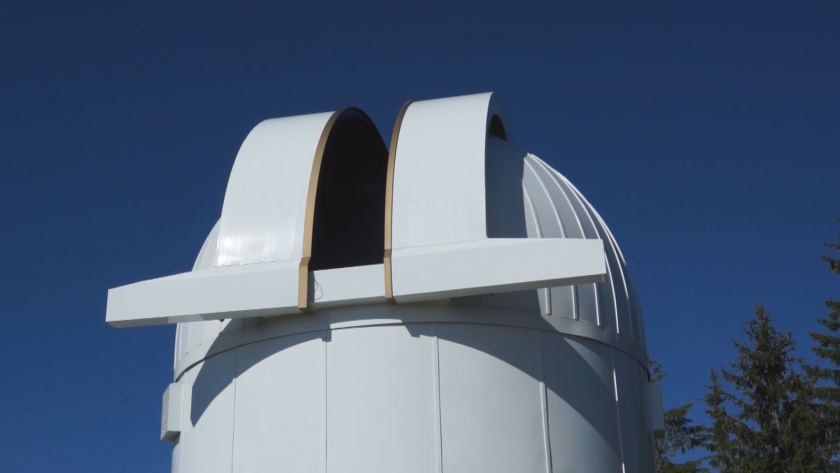


Bulgaria’s first professional radio telescope is expected to become operational by the end of the year. The site for the facility is currently being prepared on land near the Rozhen National Astronomical Observatory. Some of the equipment for the telescope has already arrived at the observatory.

Work on the construction of the radio telescope at the National Astronomical Observatory has been under way for more than two years. A property was purchased specifically for the project, where the antennas of LOFAR will be installed.

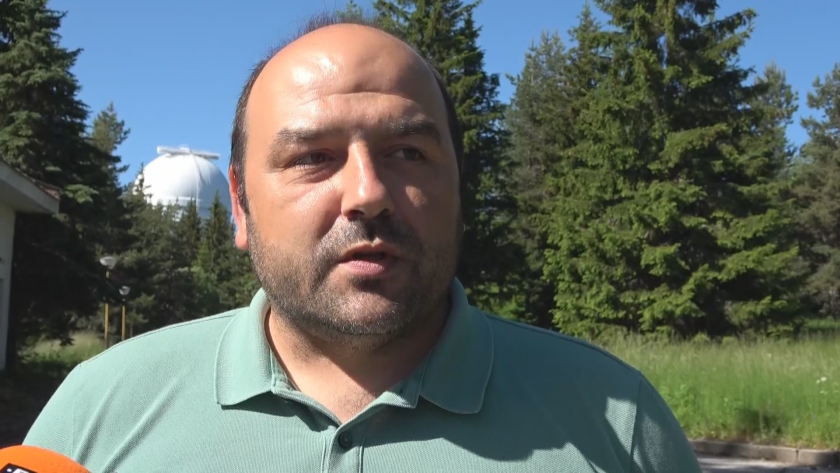
Kamen Kozarev, Director of the Institute of Astronomy at the Bulgarian Academy of Sciences:
"It is different from conventional telescopes and radio telescopes because it consists of a large number of very simple antennas. The entire field of the radio telescope is about the size of a football pitch. It is part of the European LOFAR system, with 53 stations spread across Europe. This is the largest radio telescope observing at the lowest frequencies, and it will literally open new eyes for our observatory and for Bulgarian science to the Universe."

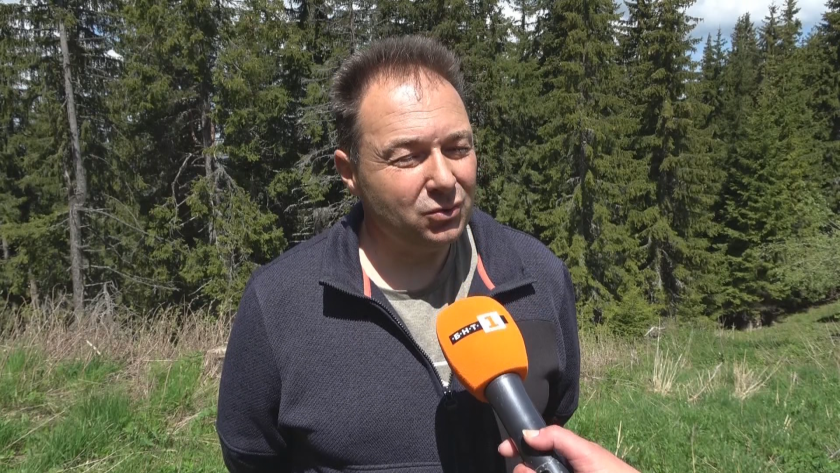
Nikola Petrov, Director of the Rozhen National Astronomical Observatory:
"One of the tasks is related to helping us understand more about the 'echo' left over from the birth of our Universe. Other tasks are linked to observing radio emissions from the Sun, active formations, active processes taking place on the Sun, and other cosmic objects that also emit radio waves."

The individual antennas will collect a huge amount of data, which will be combined and then sent to Groningen in the Netherlands. For this purpose, an additional high-speed optical connection has been established between Rozhen and Sofia.

Kamen Kozarev, Director of the Institute of Astronomy at the Bulgarian Academy of Sciences, added:
"It can be used both as part of a network, which allows enormous resolution comparable to that of the Hubble Space Telescope at these low frequencies, and it can also be used independently."

The Institute of Astronomy hopes that the new radio telescope will boost young people's interest in astronomy. It can also be used for training students in areas including data processing, artificial intelligence and telecommunications.
European Commission Pubishes Updates on Five Infringement Procedures Against Bulgaria
Ministry of Interior Contacts OFAC Over Suspected Circumvention of Magnitsky Sanctions
Prime Minister Rumen Radev met with Ukrainian President Volodymyr Zelenskyy in Ankara