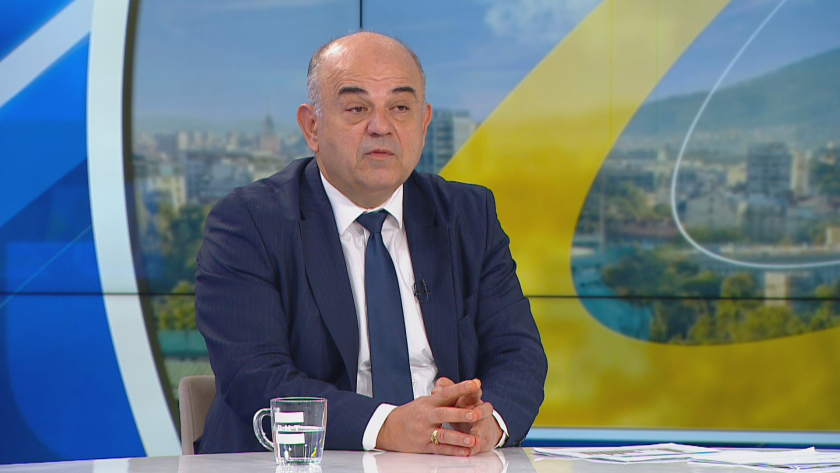
Fewer than 10% of businesses have violated the rules governing Bulgaria’s transition to the single European currency since 1 January, according to Vladimir Ivanov, head of the Coordination Centre for the Introduction of the Euro, speaking to Bulgarian National Television (BNT) on January 5.
The Association for Modern Trade has meanwhile urged consumers to use card payments during the first days of the new year.
The transition to the euro has been smooth and without disruption in the opening days of the year, Mr Ivanov said.
Vladimir Ivanov, Head of the Coordination Centre for the Introduction of the Euro:
“There are no problems in banks, no problems in supermarkets. Overall, people are adapting normally to the new currency. We have carried out quite a large number of inspections—probably more than 1,000 since 1 January—and the results show that fewer than 10% are in breach overall. By and large, most people are complying with the law, and the process is progressing calmly and as it should.”
He explained that irregularities had been identified mainly in specific sectors.
Vladimir Ivanov:
“Negative practices are very limited. They are most noticeable in the services sector, particularly where businesses are less public-facing and smaller in scale. Large, publicly visible companies—both in food retail and other sectors—have prioritised their reputation, and no one has interfered with pricing mechanisms.”
During the transition period, consumers are advised to use card payments rather than cash, said Nikolay Valkanov, Executive Director of the Association for Modern Trade.
Nikolay Valkanov:
“The idea is to balance payments over these two or three days. It is normal that after three or four days when the banking system was not operating and businesses could not restock euros, cash reserves may be depleted. That is why we recommend prioritising card transactions for a day or two, after which cash circulation can return to normal.”
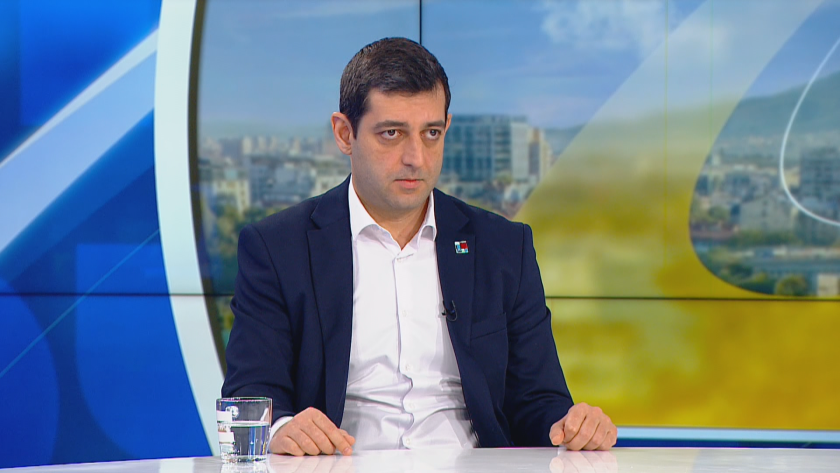
He also urged citizens not to arrive at checkouts with bags full of coins, warning they would not be accepted.
Nikolay Valkanov:
“By law, a single payment is limited to 50 coins. This makes things easier for customers and cashiers alike and speeds up service. In December, there were problems caused by large quantities of coins being poured out at tills, which disrupted operations.”
According to Mr Ivanov, no additional measures to tighten controls are required.
Vladimir Ivanov:
“The market regulates itself. Market mechanisms are functioning well and once again prove they can be an effective regulator. The role of the state is to facilitate this process and prevent distortions.”
The Coordination Centre for the Introduction of the Euro has reminded businesses that penalties for violations range from 5,000 to 200,000 leva.


 Minister of Energy Iva Petrova: The Danube's Water Level Remains Critically Low
 The Election of Bulgaria's Seventh President Will Be Decided in a Run-off on November 1
 "Това е победа на смелостта над страха": Студентите в Сърбия ликуват след триумфа на изборите










 Чуй новините
 Подкаст