A journalistic investigation has uncovered a case that raises serious medical and ethical concerns: a sperm donor who unknowingly carried a genetic mutation that dramatically increases the risk of a form of childhood cancer has fathered 197 children across Europe. His sperm was used in fertility treatments in 14 countries, and some donor-conceived children are now ill, with several reported deaths. Fourteen European public broadcasters collaborated on the investigation.
Fear and public outrage have spread across Europe after it emerged that the donor carried a mutation associated with an aggressive form of cancer that can strike in early childhood. Doctors explain that the gene was only recently identified, which is why the problem went undetected when Donor 7069 from Denmark routinely provided sperm in exchange for payment.
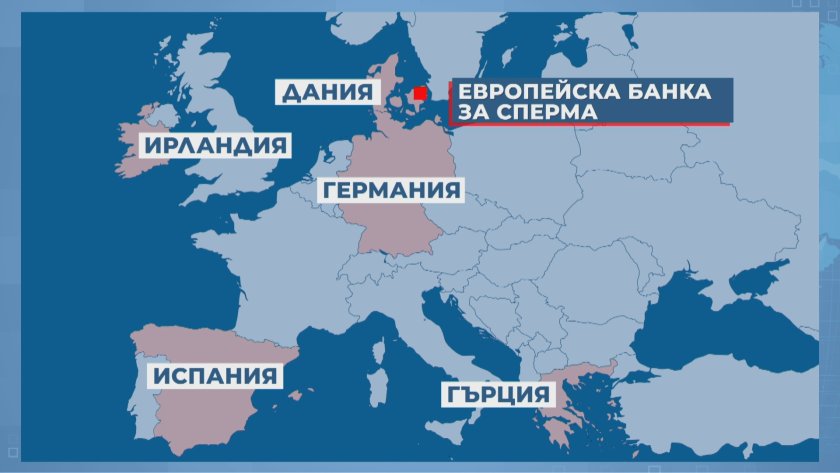
Over the past 17 years, his sperm has been used in 67 clinics in 14 countries in Europe. Celine — not her real name — lives in France and is one of the mothers whose child was conceived using this donor’s material. She received a call this spring from Belgium, where the insemination had taken place.
Celine, mother of a child conceived with Donor 7069 (France):
“The woman in charge of the IVF procedures explained to me that the donor used for my insemination carries a mutated gene. There is a 50% chance his children are carriers.”
Her daughter, now 14, has tested positive for the mutation. This means she will need cancer screening every year for the rest of her life. The call came eighteen months after clinics first learned that children had fallen ill due to the donor’s genetic mutation.
For Dorte Kellermann in Denmark, the news arrived in a far more unsettling way — via a Facebook group.
Dorte Kellermann, mother of a child conceived with Donor 7069 (Denmark):
“My daughter was tested and she is not a carrier — which is good. But I was furious because I didn’t get the information directly. It’s as if they refuse to take responsibility for a case like this. And they should.”
Ydwig Kasper, who studies genetic predispositions to cancer, explains that the mutation is most commonly linked to brain tumours and breast cancer.
Kasper, biologist at the University of Rouen:
“We already have many children who have developed cancer, some with two separate types. Some have died at a very young age.”
So far, 77 donor-conceived children have been tested; 25 carry the gene. Experts fear the actual number of affected children could be significantly higher.
Prof. Svetlana Lagerkanz, Karolinska Institute (Sweden):
“It is extremely risky — and absolutely wrong — for a single donor to have so many children. This is far beyond normal biological limits and has huge consequences.”
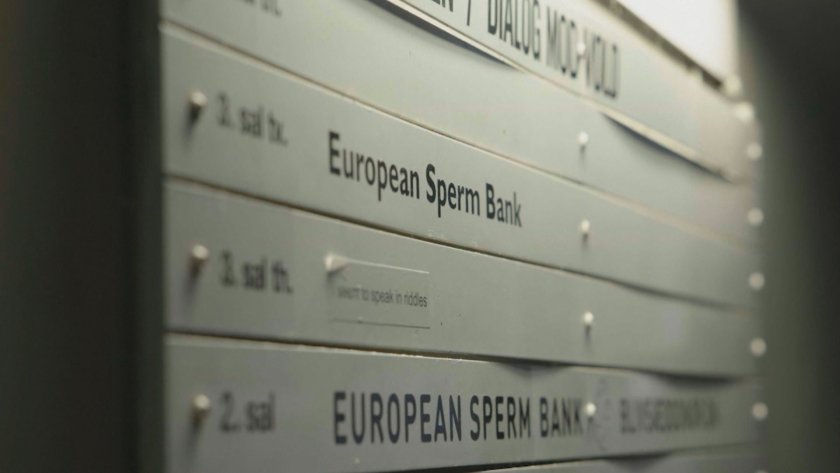
The reason for this is that there are fundamental guidelines that sperm banks are expected to follow regarding the number of children conceived from a single donor. However, each country has its own regulations and does not take those of others into account. Another issue is the practice of travelling to neighbouring countries for insemination. The European Sperm Bank in Denmark expressed sympathy for the affected families and acknowledged that the donor material had been used to conceive far too many children.
The case raises numerous questions: who actually oversees IVF procedures and the sperm and egg banks—one of the most profitable industries? Are the current laws adequate, and do regulators have the capacity to track individual cases? The search for answers is only beginning.







 Чуй новините
 Подкаст