The European Parliament approved on 4th of October a proposal to grant access to the visa information system (VIS) of the Schengen passport free-travel area to Bulgaria and Romania...
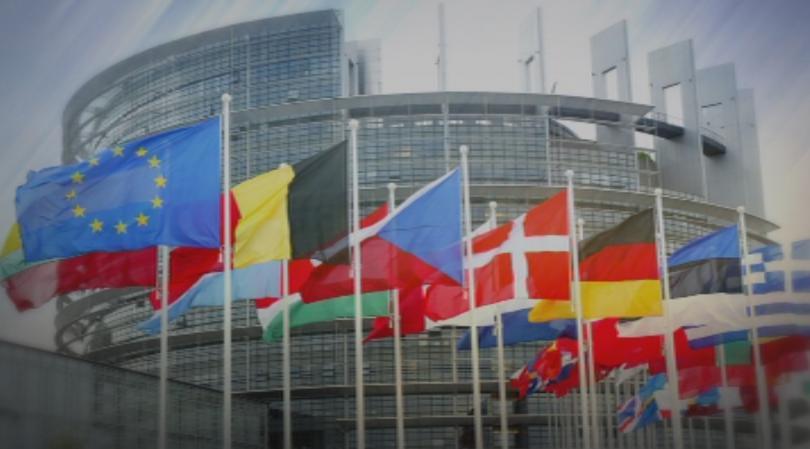
The European Parliament approved on 4th of October a proposal to grant access to the visa information system (VIS) of the Schengen passport free-travel area to Bulgaria and Romania.
The Council decision will allow the two countries to check VIS data, but without the right to enter, amend or delete data.
The provision of access to the Schengen visa database is necessary in order for Bulgaria and Romania to be able to apply the newly established Schengen entry-exit system. It contains information on the visa length of stay of third-country nationals on the territory of the European Union.
Bulgaria and Romania requested access because of the enhanced security measures at the EU's external borders related to the migration crisis and the fight against terrorism.
The decision of the European Parliament is not directly related to the accession of Bulgaria and Romania to Schengen. Bulgarian and Romanian citizens will continue to be checked when they enter the Schengen area.
Sofia and Bucharest have been candidates since 2011. To become part of Schengen, they must be unanimously approved by the other EU member states. There are countries like the Netherlands and Germany which oppose Romania and Bulgaria’s bid for joining Schengen.


 President Iliana Iotova's Flight Diverted to Boston Due to Temporary Closure of Airports in New York
 Foreign Minister Met With Long-Standing Co-Chair of Congressional Bulgaria Caucus in the U.S. House of Representatives
 Central Election Commission Receives Registration Documents for 24 Presidential Tickets
 The Fire Between Veliko Tarnovo and the village of Belyakovets Has Been Contained

 Тръмп се срещна със Зеленски в Ню Йорк, работят за решение за войната в Украйна
 Обезопасено е свлачището във Варна: Хората от най-близките къщи са евакуирани









 Чуй новините
 Подкаст