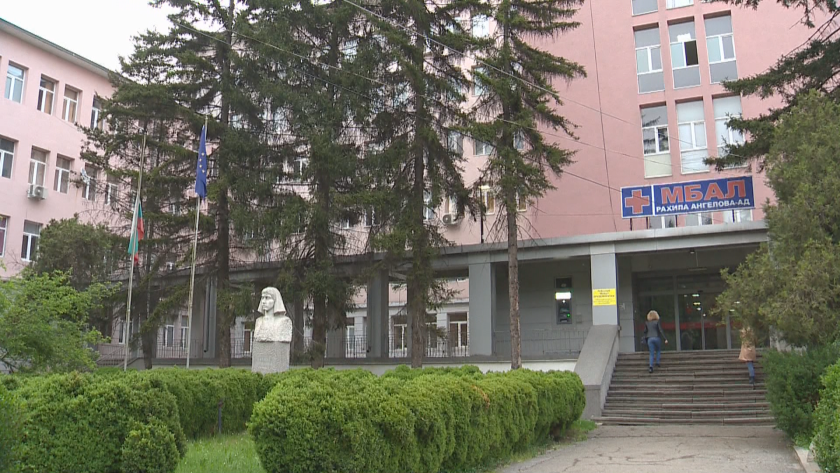
Some 14 doctors from India, Sudan, Somalia, Turkey, and Iraq are now working at Pernik Hospital, part of an effort to address the facility’s staff shortages by recruiting medical professionals from abroad.
Dr. Said, a paediatrics trainee from India, joined the hospital during a particularly difficult period, when the children’s department was at risk of closure due to a lack of doctors. Understanding the urgent need, he applied for a position.
“I feel well received, they help me with the system. At first it was difficult because everything is in Bulgarian – I had to write in the language, and they helped me. I like Pernik, there’s culture here, and everyone respects doctors,” he said.
The hospital, together with the municipality, provides him with accommodation at a modest rent. Dr. Said enjoys working with children and quickly builds trust despite their initial fear of medical procedures.
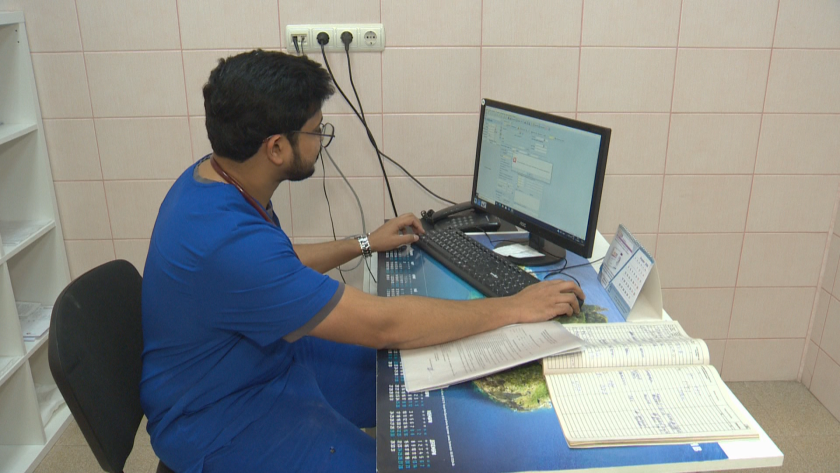
“Sometimes they think we’ll hurt them. At first they are apprehensive, but once they see professionalism and care, they immediately trust you,” he explained.
Dr. Said graduated from Pleven University, praising the high quality of medical education in Bulgaria.
“I was looking for the best option and Bulgaria was excellent, providing strong clinical training. I saw an ad in India for Pleven University. In India, after 12th grade, 3 million students take the exam, but only 3,000 places are available – it’s very competitive,” he said.
Following the staffing crisis, the hospital reports that the situation has stabilised. Paediatrics is now fully operational, and the OB-GYN ward, which was closed for a month, has resumed normal services, supported by nurses from Kyustendil.
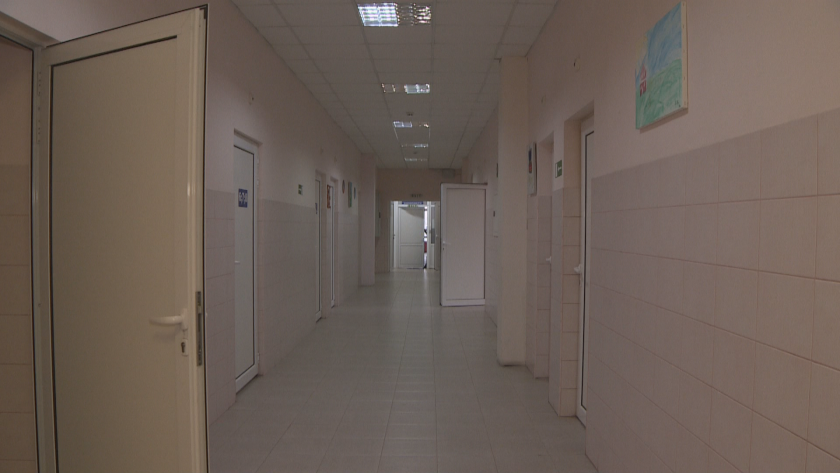
Dr. Yavor Drenski, director of “Rakhila Angelova” hospital – Pernik, said:
“This is a problem across Bulgaria. Every hospital, public or private, suffers from staff shortages, with many doctors nearing retirement. Our hospital perhaps appears as a picture of the situation in the country.”
The hospital has implemented a strategy of inviting visiting specialists to mentor young doctors. Dr. Drenski added:
“This allows trainees to gain experience with highly skilled colleagues. Pleven University has a programme for foreign students, so we invited recent graduates with Bulgarian diplomas. Currently, we have nine young doctors from India, and others from Sudan, Somalia, Turkey, and Iraq – 14 in total. All departments are fully functioning.”

Dr. Zahra Ahmed, a neurologist from Somalia, is one of six foreign doctors in the neurology department. After completing medical school in Ukraine, she could not return home due to civil war and previously worked in Denmark and Norway. She moved to Bulgaria to specialise in neurology.
“All the departments I worked in allowed specialisation, but my dream was neurology. Bulgaria gave me the opportunity. I studied at Pleven University, completed a 6–7 month course, passed the state exam in Bulgarian, and could start my specialty,” she said.
She applied to multiple hospitals but accepted the offer from Pernik, where neurologists were needed, and has now been working there for two years.
“It was very difficult at first – not just the language, but learning the system. Every country is different. Here, they welcomed me and helped with everything,” Dr. Ahmed said.
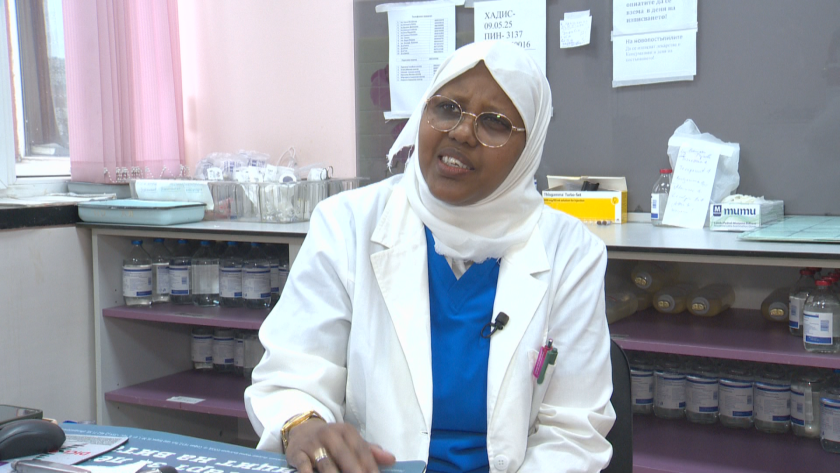
Dr. Daniela Stoycheva, head of neurology, described the team:
“We are an international team – three Bulgarians and six foreign doctors. Different cultures, different languages, but a shared mission: the patient.”
There is a growing trend of foreign doctors filling vacancies in Bulgarian hospitals.
“Many young Bulgarian doctors go to specialise in the EU, which creates gaps here,” Dr. Drenski noted.
Dr. Ahmed reflected:“You never know where you’ll end up. I was in Ukraine and never imagined I’d end up in Bulgaria. The world is not big enough for doctors.”
Despite nationality or background, all the medical staff share a common mission: caring for patients, because medicine knows no borders.


 Scientists in Plovdiv Develop Plant-Based Combination to Support Metabolic Health
 Three Doctors Charged Over Death of a 6-Year-Old Child in Plovdiv To Stand Trial
 Как ще се гласува в чужбина? МВнР с подробности за организацията на вота
 Йотова от Ню Йорк: След декларациите е време за конкретни решения за постигането на мир









 Чуй новините
 Подкаст