The country could be placed under an excessive deficit procedure
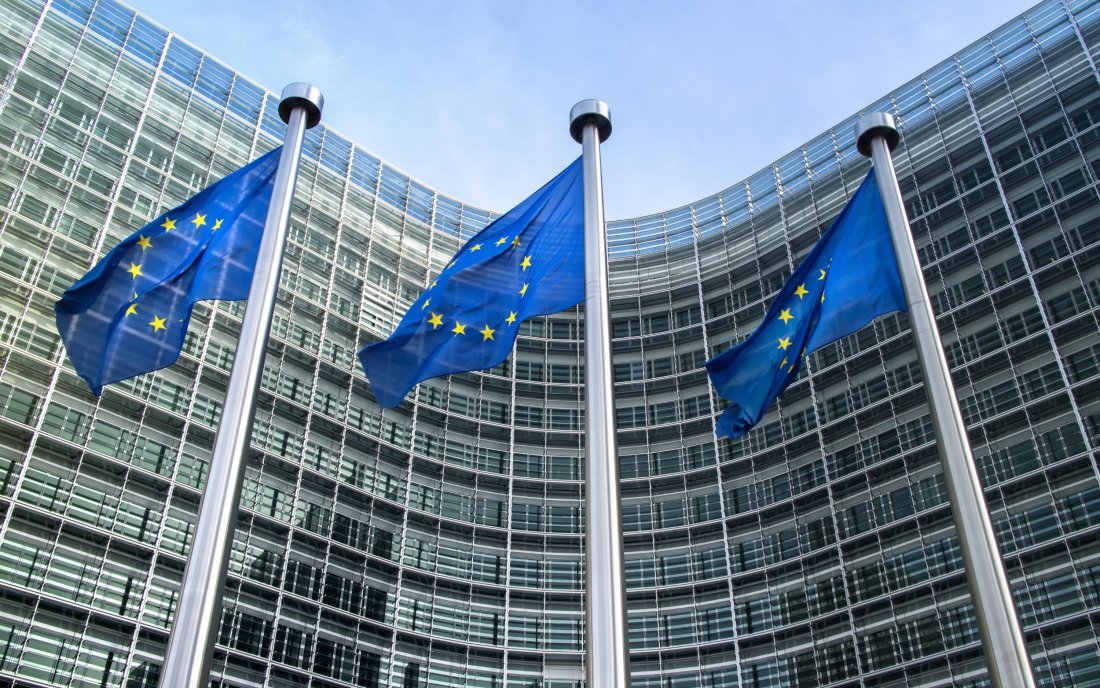
The European Commission has proposed opening an excessive deficit procedure for Bulgaria. Brussels' concerns are related to the increasing trend of the country's deficit since 2020. Last year, the country's budget deficit was below 3 percent and with that Sofia met one of the requirements for eurozone accession. But this year and next, even excluding higher defence spending will not help the country meet Brussels' requirements.
The Commission forecasts Bulgaria’s budget deficit at 4.1% of GDP in 2026, rising to 4.3% in 2027. Last year, the deficit remained below the EU's 3% threshold, although it would have reached 3.5% if defence expenditure had been included.
Under current EU rules, member states are permitted to increase defence spending without it being fully reflected in deficit calculations.
Valdis Dombrovskis, Commissioner for Economy and Productivity:
“For Bulgaria, last year’s budget deficit did not exceed 3% of GDP when the additional defence expenditure covered by the national derogation clause was taken into account. However, from this year onwards, the excess above 3% of GDP can no longer be explained by additional defence spending.
Consequently, the report concludes that the deficit criterion has not been met. The next step is for the Economic and Financial Committee to issue an opinion on this assessment. The Commission will then propose the opening of an Excessive Deficit Procedure for Bulgaria. The Commission will continue to closely monitor fiscal developments over the coming months.”
Once the proposal is endorsed by the Council of the European Union and the existence of an excessive deficit is formally confirmed, Bulgaria will have four years—until the end of 2029—to to tackle the problem.
Sofia will have to follow a specific fiscal plan and the EC will monitor the process. According to the EC, among the causes of the deficit are public sector wage increases, social spending growth and automatic indexation of pensions.
The Commission recommends that measures designed to offset high energy prices remain temporary and targeted at the most vulnerable households and businesses.
It also calls on Bulgaria to:
Brussels is also urging Bulgaria to accelerate the decarbonisation of industry and gradually phase out fossil-fuel subsidies for thermal power plants.
In addition, the Commission recommends reforms aimed at aligning education and training more closely with labour market needs.


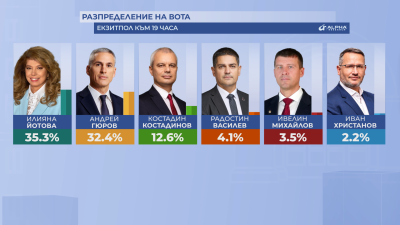
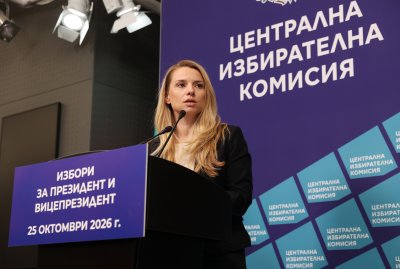
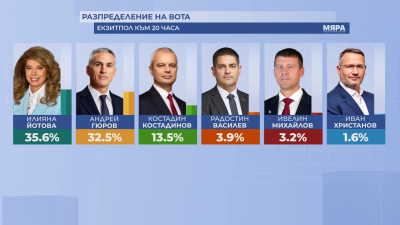
 Central Election Commission: With 7.37% of Polling Station Protocols Processed, Iotova and Gyurov Head to a Run-off in Presidential Election on 1 November
 Илияна Йотова: Илюзия е, че ако не се гласува, можем да извършим промяна в страната
 Историческа победа за студентите, Вучич призна загубата си на парламентарните избори в Сърбия










 Чуй новините
 Подкаст