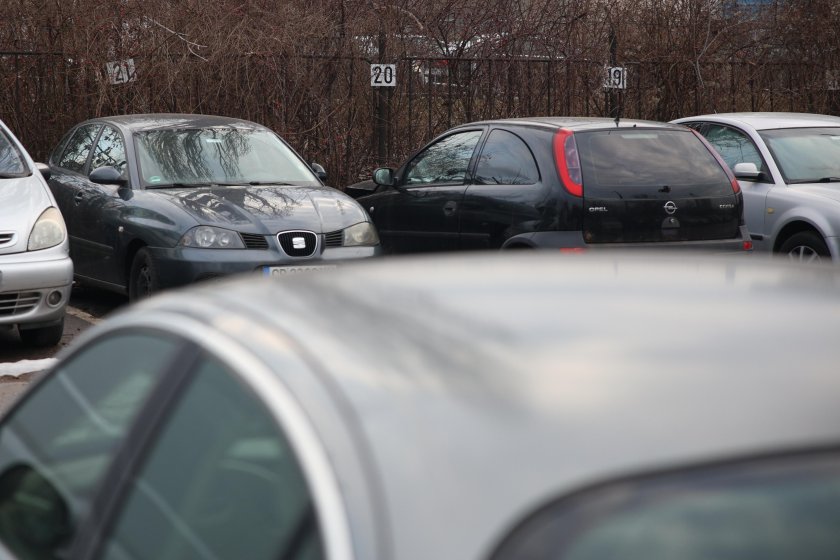


Plans to expand and raise fees for the blue and green parking zones in Sofia have sparked tension. While the reform is currently blocked by the Administrative Court in Sofia, the municipality is trying to explain its arguments, and citizens are seeking alternatives. What green transport practices exist in other European capitals, and is there a working model?

Traffic chaos, congestion, and polluted air—these are problems long associated with Sofia. To address them, the municipal authorities have proposed a reform.
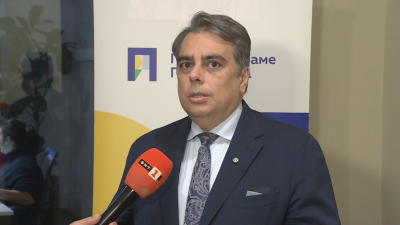
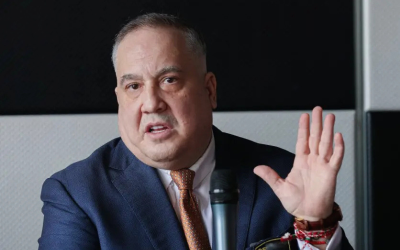
Viktor Chaushev, Deputy Mayor of Sofia for Transport: “This reform is tied to a precise plan and procedure, anchored in legislation, through which the Sofia Urban Mobility Centre channels funds from these zones into infrastructure investments—pothole repairs, parking facilities, pavements, street lighting, roadworks—and the sums involved are far from insignificant. By our calculations, this amounts to between 50 and 60 million leva per year.”

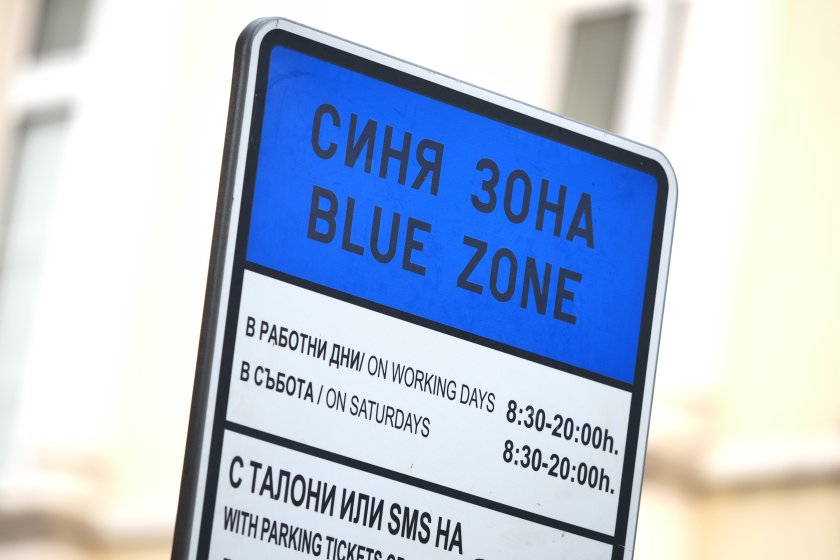
The reform proposes raising the hourly rate in the blue zone from 2 leva to 2 euros, and in the green zone from 1 lev to 1 euro. Whether it goes ahead depends on the courts, though the municipality remains optimistic.
Viktor Chaushev, Deputy Mayor of Sofia for Transport: “Couldn’t we have built buffer car parks first, so people could leave their cars safely before the prices went up?”
Viktor Chaushev, Deputy Mayor of Sofia for Transport: “One buffer car park costs between 10 and 20 million leva. Do you think the municipality could build 20 car parks in a single year?”
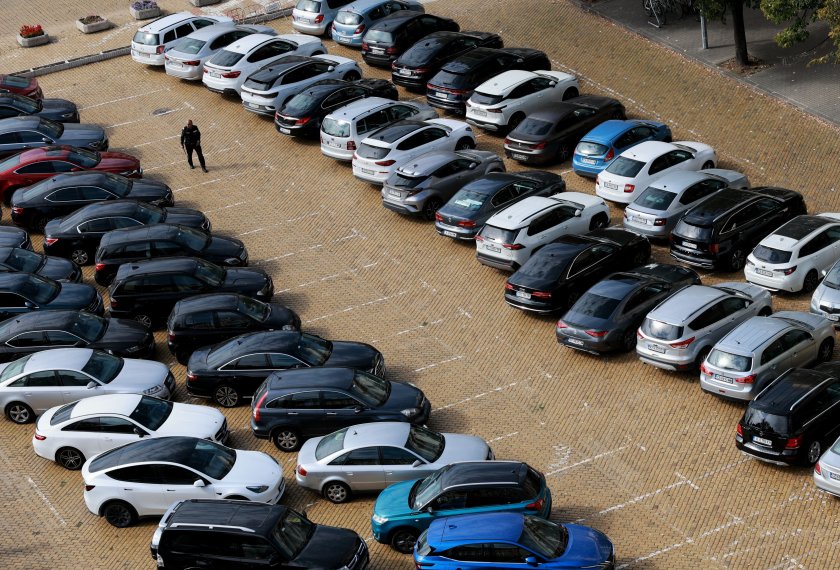
Currently, the municipality plans to construct nine buffer car parks, offering between 2,500 and 3,000 spaces, through public-private partnerships. They will be located near metro stations and key points around the city. An analysis is also underway to understand why some existing car parks are overfull while others remain empty.
One measure already improving air quality is the low-emission zones, introduced over two years ago and expanded gradually—a practice also applied in other European capitals.

Nadezhda Bobcheva, Deputy Mayor of Sofia for Ecology: “In London, there’s the so-called congestion charge—you pay to enter the zone. Colleagues there also apply a scrapped scheme, which allows you to hand over a polluting car to the municipality in exchange for either a voucher for a new, lower-emission vehicle, or annual passes for public transport. We’re having similar debates here, but we are still in the very early stages and not ready to announce a decision.”
However, restrictions on polluting vehicles alone do not solve traffic problems. In Budapest, for example, the focus is on keeping cars out of the centre through buffer car parks, fast public transport, and a well-developed cycling infrastructure.

Ada Amon, Head of the Climate Agency, Budapest Municipality: “The easiest and most ecological option is cycling. That’s why the municipality decided to maintain and expand existing bike lanes and give priority to public transport. Buses and bikes are kept separate from main traffic.”
Sofia’s municipality acknowledges that cycling infrastructure is still lagging behind, and improving public transport remains a priority.

“Out of roughly 150 trams to be ordered, suppliers have been chosen for 75 trolleybuses, 50 electric buses, and there will be a separate order for 200 more buses. This will resolve the fleet issue.”
According to Budapest’s Climate Agency, the key to successful transport policy is clear communication and considering the needs of people without cars.
Ada Amon, Head of the Climate Agency, Budapest Municipality: “Although 1.7 million people are registered in Budapest, on a typical day 3 million people use the city. Infrastructure must therefore accommodate this number. What we aim to do is keep cars out of the city, encourage people to move around the city itself, use it as a city rather than as a place for tourists, pay taxes here, and reduce space devoted to cars.”
In Budapest, however, parking fees in the city centre remain relatively low—up to 1.56 euros per hour.
Росен Желязков върна на президента мандата за съставяне на правителство неизпълнен