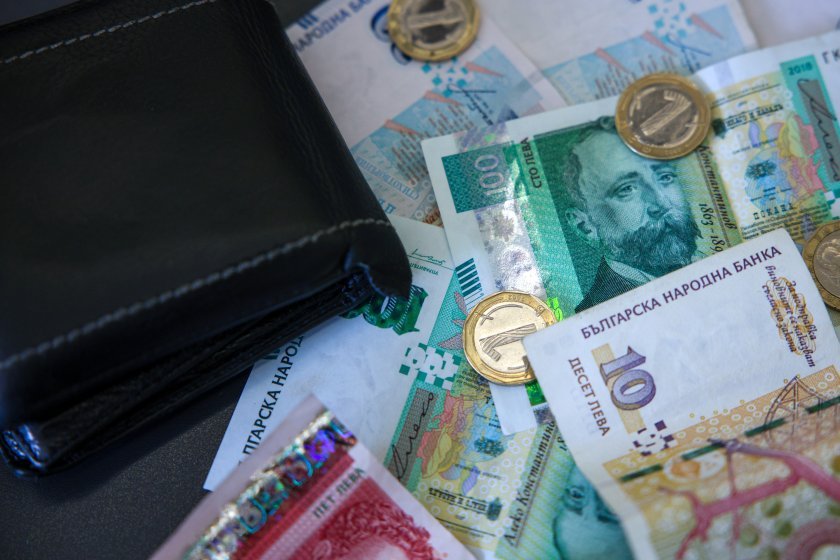
Inflation in Bulgaria remains high and the pace at which it is slowing down is insufficient to meet the criteria for Bulgaria's euro area accession. At the same time, only in the last month of the year, banks issued new mortgage loans worth BGN 407 million, BNB statistics show.
The average rate of inflation slowdown is currently 0.2 percentage points and if this trend continues, Bulgaria would not be able to adopt the euro in a year's time. Average annual inflation in Bulgaria is 8.6%, and to join the eurozone it should be below 4.4%.
Beyond external factors such as the pandemic and the war in Ukraine, the internal factors that pump up inflation in the country are its dependence on fuel imports and the high energy intensity of industry.
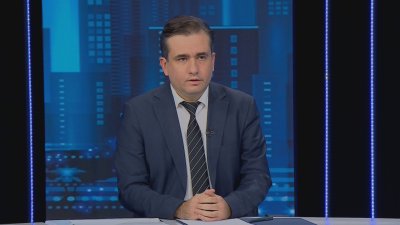
"The reaction of firms was that they did not sacrifice part of their profits at the expense of non-increase in prices and this has led to the spiral of costs resulting in price hikes," said Prof. Nadya Ivanova, a lecturer at the Faculty of Economics of the Sofia University.
Income growth has hampered anti-inflationary measures, while political instability has contributed to the inability to pursue a coherent macro policy and tackle high prices. BNB indicated that it was ready for more measures for banks to reduce consumer demand and lending, and so reduce inflation. Experts, however, doubt that these measures can have an impact that will open the way for the country to join the eurozone from 1 January 2025.
"Fighting inflation requires a longer time lag and whatever measures we take now, we should not expect them within the next few months until the convergence report is released. These measures are late in my opinion and the central bank should have acted more boldly," said Prof. Nadya Ivanova.
"We are going to see quite high inflation in the medium term. All the forecasts of the major institutions - from the European Commission, through the World Bank to our own ministry point to price growth in the range of 2%, 3% or 4%, even by 2026-2027," said Adrian Nikolov, an economist at the Institute for Market Economics.
In the short term, experts do not expect a cooling-off on the property market in the country.
"Commercial banks are likely to react to these measures with a slightly more cautious and prudent lending policy in order to balance their portfolios. But personally I am pessimistic that the property market will undergo a radical change in terms of prices," said Prof. Nadya Ivanova.
This June Bulgaria is awaiting the convergence report which will indicate whether the country is ready for the euro. However, if there is a further delay, BNB forecasts an unfavourable development of inflation in the country and a new tightening of measures.


 Rising Prices: 1.5 Million Bulgarians Earn Less Than the Minimum Needed to Cover Basic Living Costs
 Livestock Farmers Block Pleven–Sofia Road near Village of Yasen, Demanding Fair Distribution of Drought Relief Funds
 Minister of Agriculture: Bill to Regulate Large Retail Chains to Be Submitted to Parliament by the End of the Year
 Monthly Cost of Living for a Family of Three Reachess €1,516, Trade Unions Say

 Промените в данъчното законодателство: Пакетът влиза за обсъждане от бюджетната комисия в НС
 Проектобюджетът на НЗОК: Надзорният съвет на касата обсъжда параметрите за 2027 година
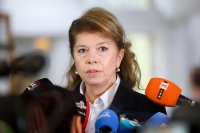 Президентът Илияна Йотова ще участва в 9-тото издание на Парижкия форум за мир









 Чуй новините
 Подкаст