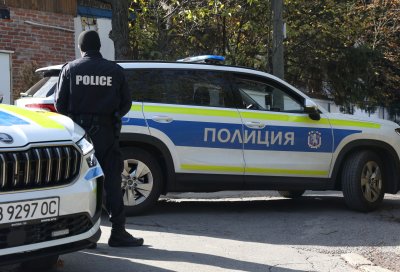
The Ministry of Interior has issued advice to prevent fraud involving euro banknotes. Members of the public are urged to familiarise themselves with the security features of euro notes and remain vigilant, while retailers are advised to use specialised devices to detect counterfeit banknotes. Anyone who suspects a fake banknote should call 112 or contact their nearest police station.
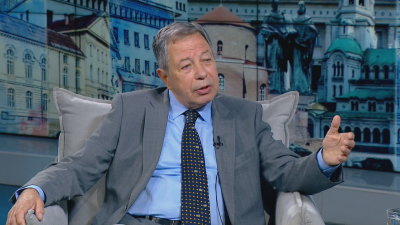
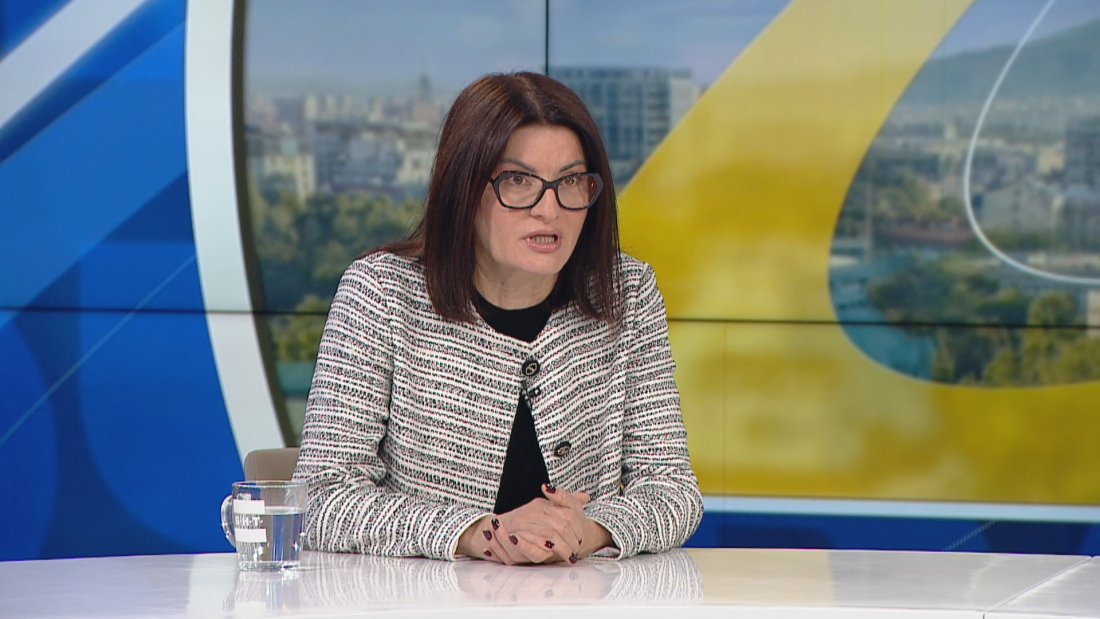
Zlatka Padinkova, head of the Anti-Fraud Unit at the National Police Directorate, advised people to use only official exchange offices and banks, and to exercise caution with any offers linked to the new currency.
She said that, at this stage, there have been no reported cases of fraud attempts related to pensions. However, she warned that scammers may become more active once pensions begin to be paid in euros.
Zlatka Padinkova, Head of the Fraud Unit at the National Police Directorate, said:
“At this stage there are no reported cases, but we expect increased activity from fraudsters, particularly in the context of the introduction of the euro.”
She stressed that people should be vigilant regardless of whether they live in a large city or a small town:
“Everyone should be extremely careful and never accept an exchange rate different from the officially fixed one. A better rate is always a scam. People should use only official locations — banks and post offices — where currency exchange will be free of charge during the first six months.”
Ms Padinkova underlined that currency exchange is carried out inside post offices and banks, not in the areas around them. She also warned people not to trust phone calls, text messages or emails offering better exchange deals.
She cautioned about the risk of counterfeit banknotes:
“This month, both the lev and the euro are in circulation. People should be careful when receiving change, as lev and euro coins can look similar. There is also a risk of receiving a counterfeit banknote.”
She urged anyone who suspects a fake banknote to report it by calling 112 or visiting their nearest police station.
According to Ms Padinkova, it is important not to rush and not to take actions involving the handing over of money or personal data. She reminded the public that currency exchange at the central bank is free of charge and available without a time limit.
She also stressed that there is no such service as mobile teams visiting homes in small settlements to assist elderly people with currency exchange.
Ms Padinkova recommended checking banknotes using the “feel, look and tilt” method described by the European Central Bank, and encouraged the use of bank cards for payments.
To reduce the risk of encountering counterfeit banknotes while people are still becoming familiar with the new currency, she advised limiting cash payments and using bank cards instead.
“Nobody will ever ask you for money or for personal or banking details over the phone. In recent months, in the context of currency conversion, there have been cases where fraudsters posed as employees of fintech companies, requesting card details or access codes, claiming they were needed for conversion,” she said.
Ms Padinkova added that fraudsters often use foreign phone numbers and various applications to appear credible.


 Minister of Energy Iva Petrova: The Danube's Water Level Remains Critically Low
 The Election of Bulgaria's Seventh President Will Be Decided in a Run-off on November 1
 "Това е победа на смелостта над страха": Студентите в Сърбия ликуват след триумфа на изборите










 Чуй новините
 Подкаст