The business community supported the proposal, while the tradeunions raised concerns
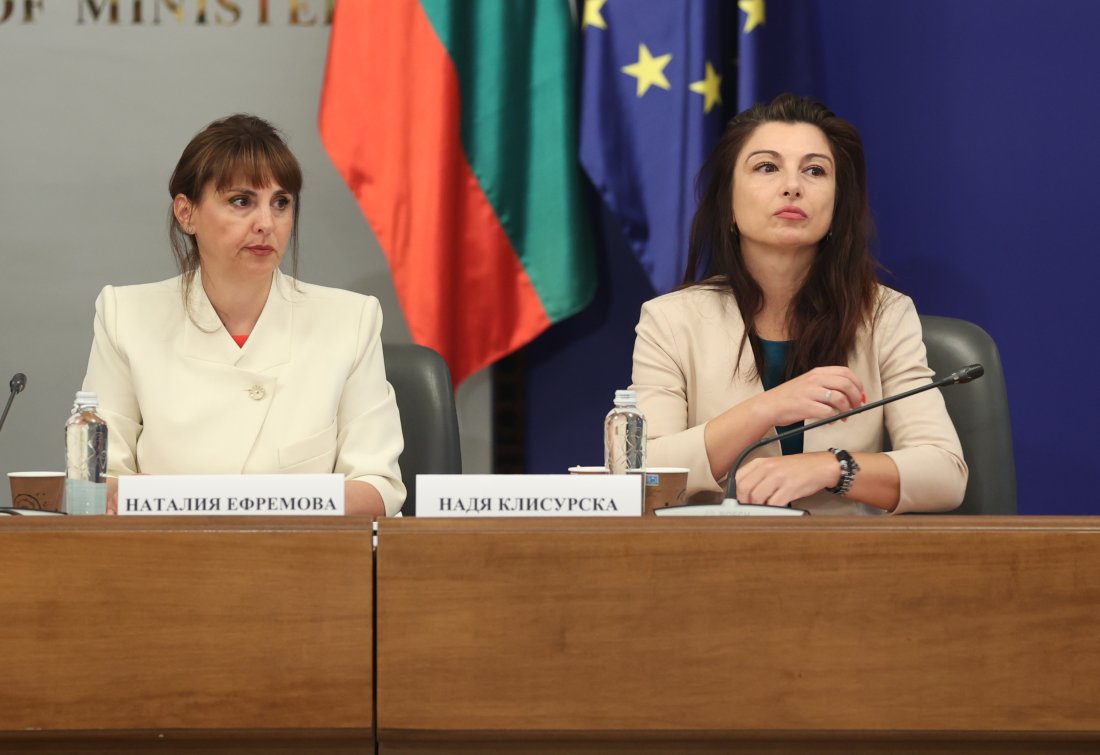
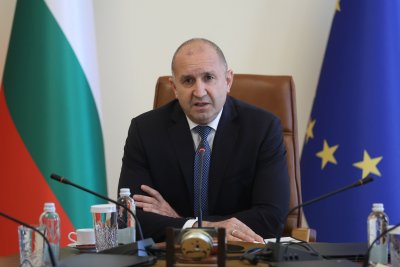
Bulgaria’s National Council for Tripartite Cooperation has approved a poverty threshold of €443 for 2027. This represents a 13.4% increase, or €52.37, compared with 2026, the press service of the Ministry of Labour and Social Policy said on September 14.
“The new poverty line has a positive impact on the adjustment of various types of benefits,” noted Minister of Labor and Social Policy Natalia Efremova.
These include monthly allowances for the prevention and reintegration of children into care within families of relatives, close persons and foster families under the Child Protection Act, social assistance provided under the Social Assistance Act, and monthly financial support for people with permanent disabilities.
The higher poverty threshold will expand the number of people eligible for a social old-age pension, as well as the number of people who can receive targeted heating assistance. The poverty threshold also affects the amount of targeted assistance available to cover unforeseen needs arising from natural disasters.
An additional €93.799 million will be needed in the 2027 budget of the Ministry of Labour and Social Policy to fund social payments.
According to Eurostat data for 2026, 1.369 million Bulgarian citizens, or 21.2% of the country’s population, live on incomes below the poverty threshold.
“Compared with the previous year, the proportion of people living in poverty will fall by 0.5 percentage points,” Minister Natalia Efremova said.
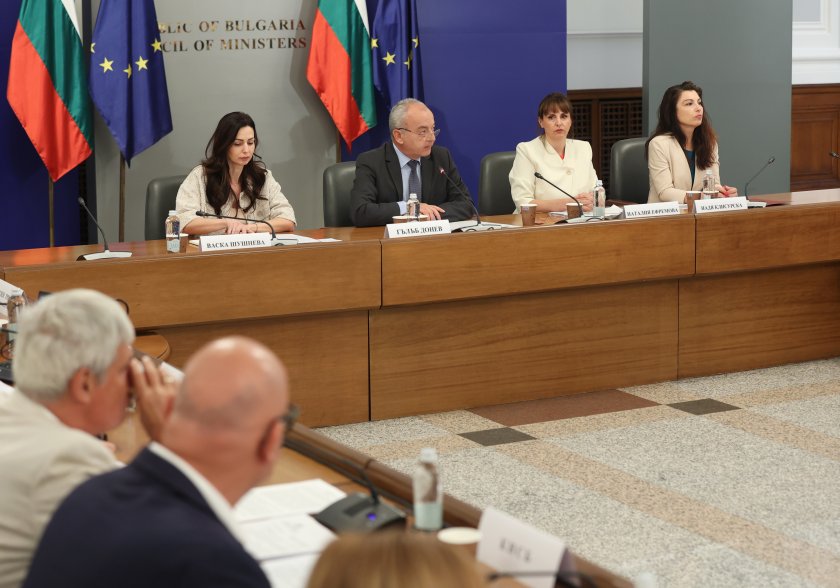
Photos: BTA
The National Council for Tripartite Cooperation also discussed a bill amending the Labour Code concerning the employment of young people aged 16 to 18. However, the social partners failed to reach agreement on the bill, BTA reported.
The proposal would replace the current permit requirement for employing people aged 16 to 18 with a system of prior notification to the relevant Labour Inspectorate directorate. The proposal does not remove the special protection afforded to minors, but changes the form of preliminary administrative control. It retains the requirement for medical fitness, the obligation to comply with restrictions on the nature of the work, working hours and working conditions, as well as the powers of the supervisory authorities to carry out subsequent inspections and take action in cases of violations, the bill’s sponsors said.
Labour and Social Policy Minister Natalia Efremova said her ministry did not support the bill. People in this age group are afforded special protection, with the aim of preventing those under 18 from being employed in hazardous working conditions that could harm their physical, mental or moral development. The bill does not comply with the requirements of the EU Directive on the protection of young people at work or with two fundamental conventions of the International Labour Organisation.


 PM Rumen Radev and EU Commissioner Marta Kos Discuss EU Enlargement and Connectivity in the Balkans
 Exclusive to BNT: Helicopter Crew from Krumovo Air Base Talks About the Search-and-Rescue Mission in the Black Sea Following Drone Attacks
 Frigate "Verny" Conducted Inspection of Ship "Able" Ahead of Upcoming Operation

 Български лекари ще прегледат Ива Михайлова, македонският външен министър: Разглеждаме това като жест на добра воля
 Специално за БНТ: Говори екипажът на хеликоптер от авиобаза „Крумово“ за мисията по издирване и спасяване в Черно море
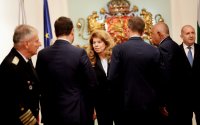 Илияна Йотова за КСНС: За първи път в български документ има три конкретни неща за войната в Украйна и последствията от нея









 Чуй новините
 Подкаст