
ИЗВЕСТИЯ

Моите новини
Утре ще бъде неучебен ден във Варна
Чете се за: 00:55 мин.

Газът поскъпва с близо 33% от вчера
Чете се за: 03:02 мин.

След бомбена заплаха: Унгарски изтребител ескортира до...
Чете се за: 02:02 мин.
ЦИК при 100% обработени протоколи: Илияна Йотова получава...
Чете се за: 00:55 мин.

Първата жена президент на България: Пътят на Илияна...
Чете се за: 04:42 мин.

ЗАПАЗЕНИ

Priceless Discoveries: What Secrets Have Archaeologists Unearthed at the Ancient City of Ratiaria?

bnt avatar logo от БНТ
A+ A-
Чете се за: 06:12 мин.
EN
безценни находки какви тайни разкриха археолозите разкопките античния град рациария

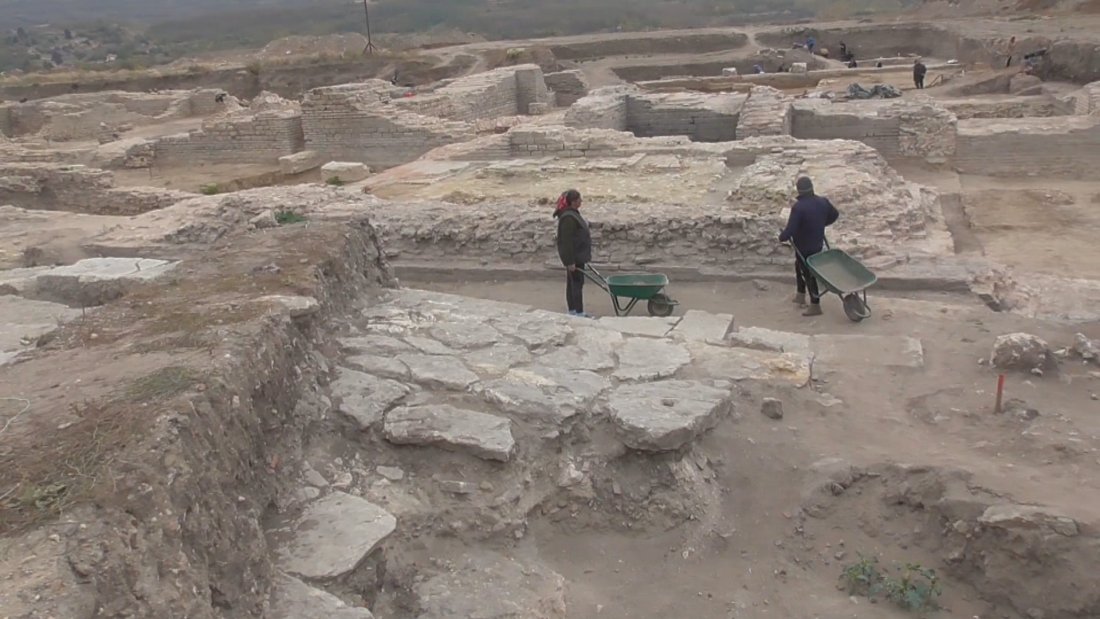
The archaeological season at Ratiaria, one of Bulgaria’s most significant Roman-era sites, has come to an end after almost four months of intensive work. Excavations near the village of Archar, in the district of Vidin [Northwestern part of Bulgaria], have uncovered major new architectural structures and engineering solutions from antiquity. Ratiaria was one of the largest Roman cities in Bulgaria, serving first as a military camp, then as a Roman colony and later as the capital of the Roman province of Dacia Ripensis.

After years of devastation, regular excavations resumed in 2013. This season, the focus has been on the Roman baths, which covered an area of 10 decares (one hectare) and are considered by the archaeologists working on site to be the largest in Bulgaria.

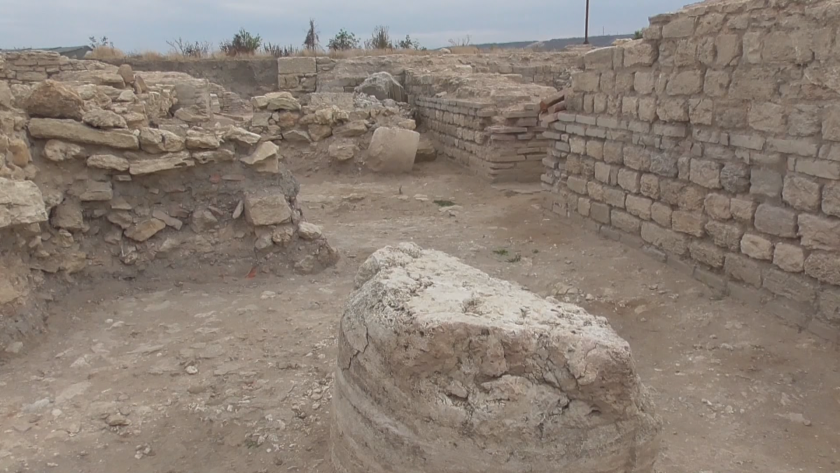
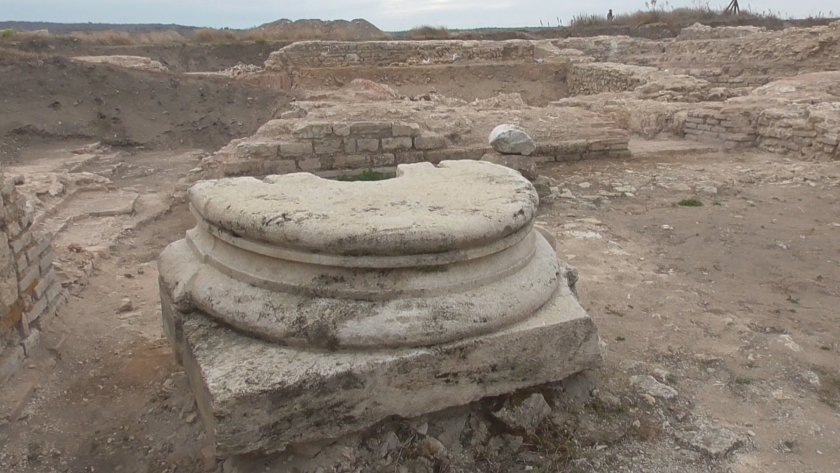
Associate Professor Zdravko Dimitrov, head of the excavations: “We worked to the north of the large pool or fountain that we uncovered last year... And we were extremely fortunate to come across archaeological structures there – architectural features, in fact – which have been preserved up to the level of the present-day ground surface. This is a unique opportunity for Ratiaria, given the extent of the damage caused by treasure hunters here over the years.”

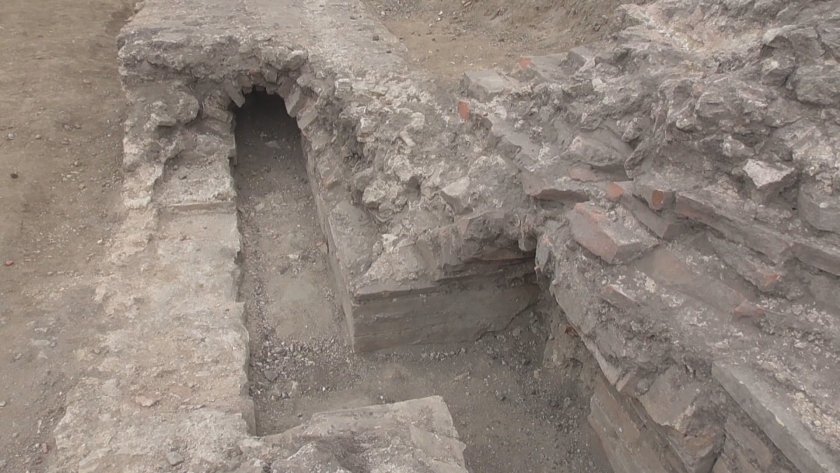
The archaeologists are investigating different historical periods at the same site, from the original Roman construction to the complex’s transformation into an early Christian centre in the fifth century. For the first time in Bulgaria, a detailed study has been carried out of more than 200 metres of underground facilities and the ancient water supply network.

Associate Professor Zdravko Dimitrov, head of the excavations: “A study of this type of architectural structure has never been carried out in Bulgaria before... The photographic and graphic documentation is absolutely complete and detailed... We managed to document these engineering structures in the best possible way and gather new data on the ancient water and sewage system – which was considerably better designed, planned and built than today's sewerage systems. This is a canal of very substantial dimensions that functioned for centuries without any problems.”

Because of their enormous size and construction, the baths at Ratiaria are considered a replica of those in Rome.

Associate Professor Zdravko Dimitrov, head of the excavations: “For this reason, they belong to what is known as the imperial type... They were built under an imperial programme and with imperial funding. As a colony and an exact replica of the city of Rome, Ratiaria did the same. So this really was a major complex, comparable to those in Rome itself.”

This season’s excavations have also uncovered an entire street paved with limestone slabs, complete with kerbs and an underground drain. The discovery shows how the city was rebuilt following the devastating Hun invasion in the fifth century.

Associate Professor Zdravko Dimitrov, head of the excavations: “This substantial street really shows how the city recovered after the most severe invasions of late antiquity and continued to thrive, remaining the capital of the entire region in what is now the Vidin area.”

For archaeologists, Ratiaria still holds many secrets. But its greatest achievement so far is something else.

Associate Professor Zdravko Dimitrov, head of the excavations: “The most significant archaeological site in north-western Bulgaria – and, as I am very pleased to say once again this season, it is no longer an example of treasure hunting and the destruction of Bulgaria’s cultural heritage.”

At least four more years of fieldwork will be needed to fully investigate the ancient city. The ultimate goal is to develop a large-scale project for its conservation, restoration and presentation to the public, which will restore Ratiaria’s former splendour and turn it into an attraction for cultural tourism in north-western Bulgaria.

Последвайте ни

ТОП 24

Най-четени

Водещи новини

Газът поскъпва с близо 33% от вчера
Чете се за: 03:02 мин.
У нас
Product image
Новини Чуй новините Спорт На живо
Абонирай ме за най-важните новини?