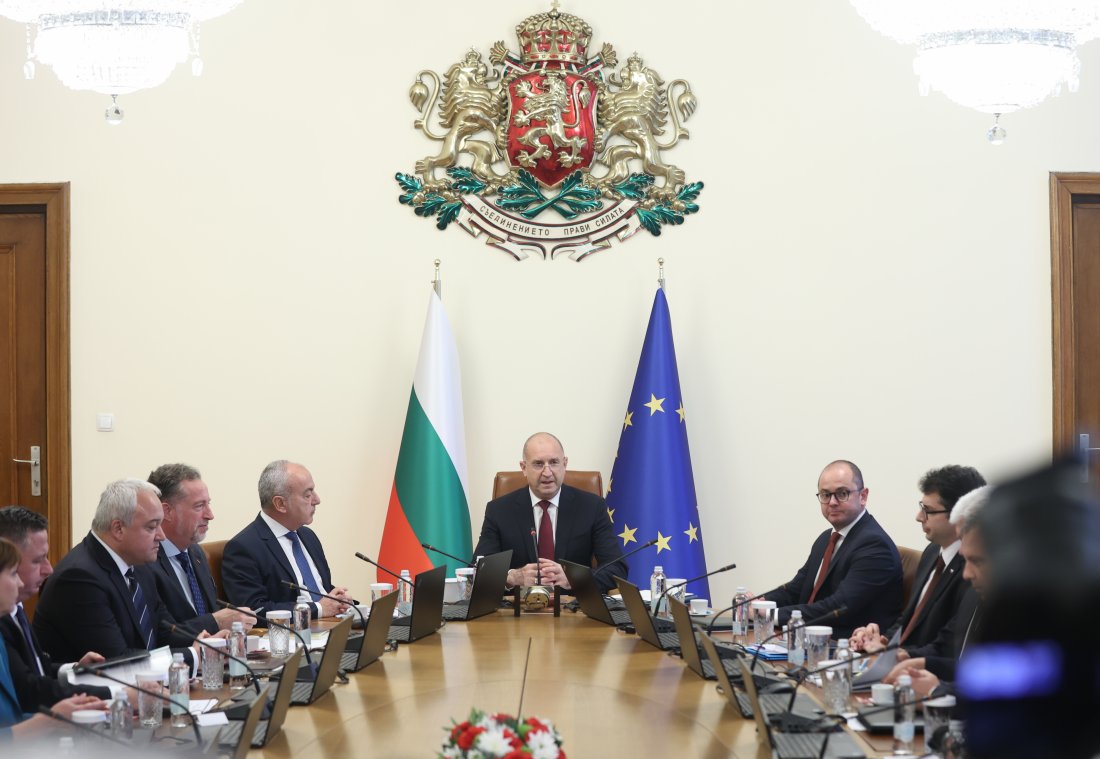
The minimum wage in Bulgaria will be set by the Council of Ministers on the basis of socio-economic criteria, following negotiations between nationally representative trade union and employers’ organisations. This is provided for in amendments to the Ordinance on the Structure and Organisation of Wages, which were approved by the government, the government press office said on October 14.
The regulation establishes the procedure and methodology for setting the minimum wage and assessing its adequacy.
Under the new provisions, the government will set the minimum basic monthly wage for the following year by 15 August each year, within a range defined by a lower and an upper limit. The lower limit will be the minimum wage for the current year, while the upper limit will be calculated using a formula based on weighted indicators covering four criteria set out in the Labour Code.
These are the purchasing power of the national minimum wage, taking into account the cost of living; the overall level and distribution of wages; the rate of wage growth; and long-term levels of labour productivity in the country. The indicators will be based on official data provided by the National Statistical Institute (NSI).
The procedure for setting the minimum wage each year will include negotiations between trade union and employers’ organisations. The Council of Ministers will determine the final amount, taking into account the report submitted by the social partners.
The regulation also establishes a procedure for assessing the adequacy of the minimum wage. The assessment will be carried out every three years by a commission involving the social partners. It will be based on two reference values: 60% of the gross median wage and the cost of living in the previous year.
The amendments are intended to achieve a better balance between the social and economic functions of the minimum wage. They also establish a clear method for calculating the minimum additional payment for night work.


 President Iotova: Bulgaria and Romania Will Insist that Black Sea Security Be Added as Extraordinary Item to the Agenda of the Upcoming European Council Meeting
 Following Black Sea Drone Attacks, Prime Minister, Ministers and Security Chiefs Answered Questions in Parliamentary Hearing
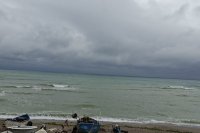 Winds with Gusts of Up To 72 km/h and Rough Waves Brought the Search for Surviving Sailors from "HS Dignity" Ship to a Halt
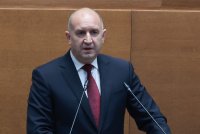 PM Radev: Bulgaria Has Shown That It Has the Ability to Act Quickly and Promptly
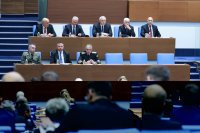 След атаките в Черно море: Премиерът, министри и службите на изслушване в НС









 Чуй новините
 Подкаст