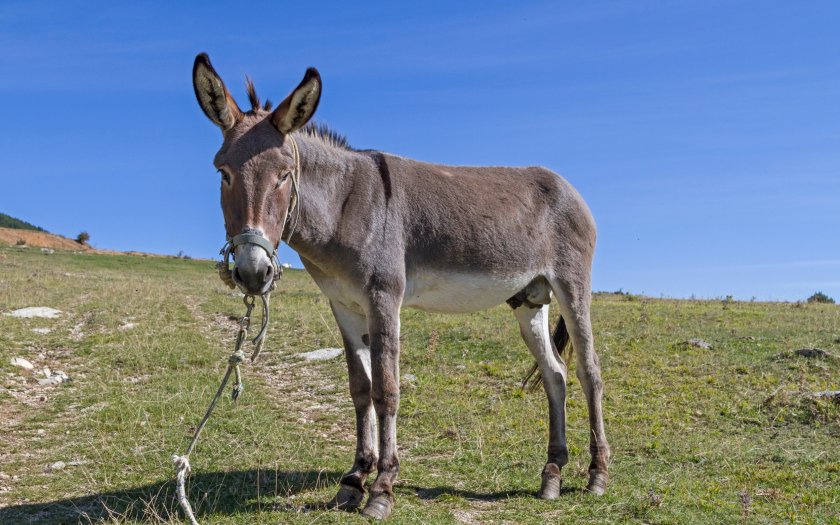


Donkeys are on the verge of extinction in Bulgaria. Once numbering in the thousands and used alongside horses for transport and agricultural work, they have now become a rare sight. How did the donkey go from being a working animal to a household pet, and where are they still being kept?

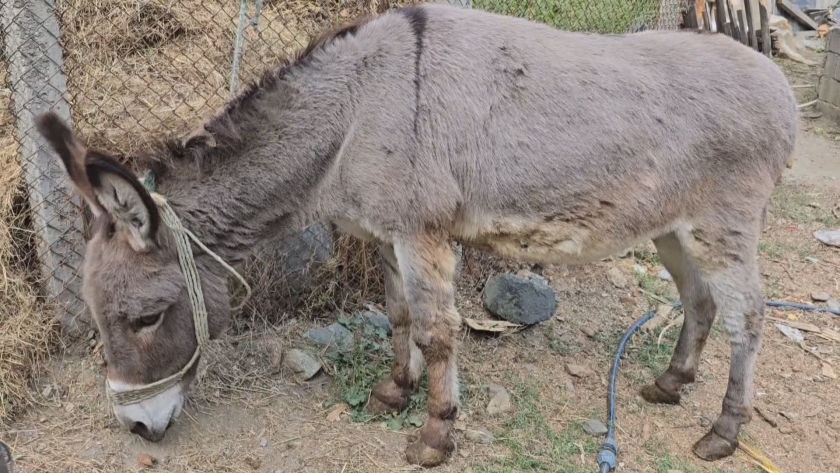
As recently as 2005, there were more than 90,000 donkeys in Bulgaria, according to official data from the Bulgarian Food Safety Agency. Over the past 20 years, their numbers have dwindled dramatically. Today, fewer than 2,000 remain. One of them is Marcho.

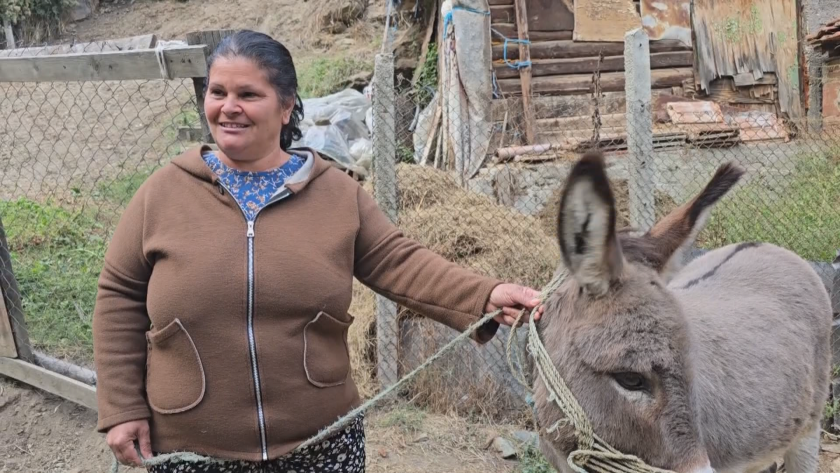
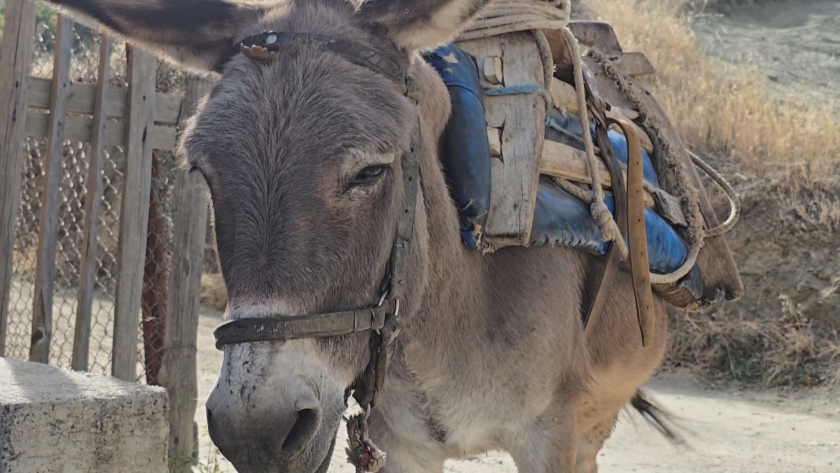
Desislava Kranchova: “I bought him five years ago so we could help us in the harvesting of tobacco. I raised my children with him, too, carrying them on his back when they were little, and we use him to transport firewood. He is part of the family. We buy food for him and I look after him as a pet. I couldn’t bear to sell him. I want to keep him.”

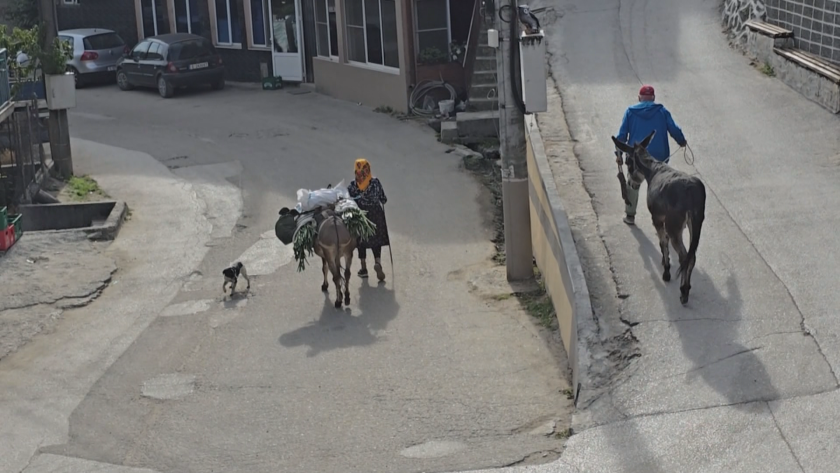
The places where donkeys are still kept, aside from a few zoos, are small villages mainly in the Rhodopes and Rila Mountains. Dolno Osenovo is one such place. But even here, the animals are on the verge of extinction.
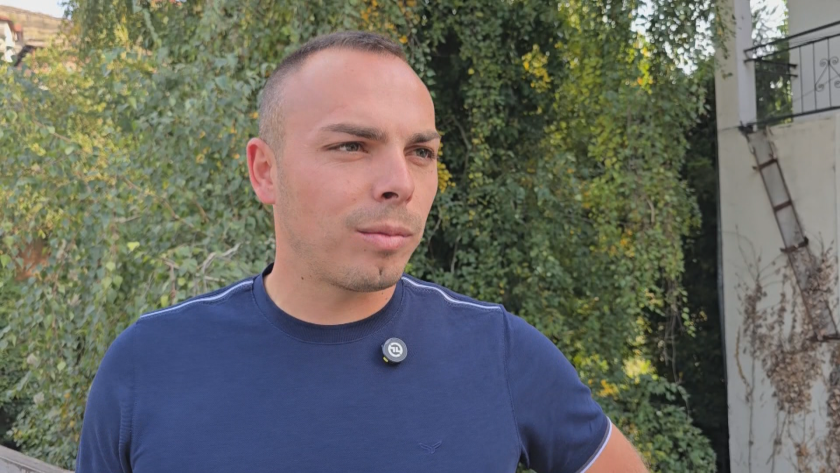
Alexi Kranchov—mayor of the village of Dolno Osenovo: “Right now, there are no more than 30–40 donkeys in our village, but ten to fifteen years ago, every house had at least one donkey—it was a must. Some households had two or three. I remember there being around 300 to 400 donkeys in the village. I can say that there were many times more donkeys than cars on the village streets.”
One of the reasons donkeys are disappearing from villages is the decline in agriculture. Many people from these communities now work abroad or in larger cities, leaving farmland uncultivated and donkey numbers falling.

Aleksi Kranchov, Mayor of Dolno Osenovo: “Nowadays, it is almost impossible. People no longer keep them because they were mainly used for growing tobacco. Once tobacco production declined, they stopped using them.”

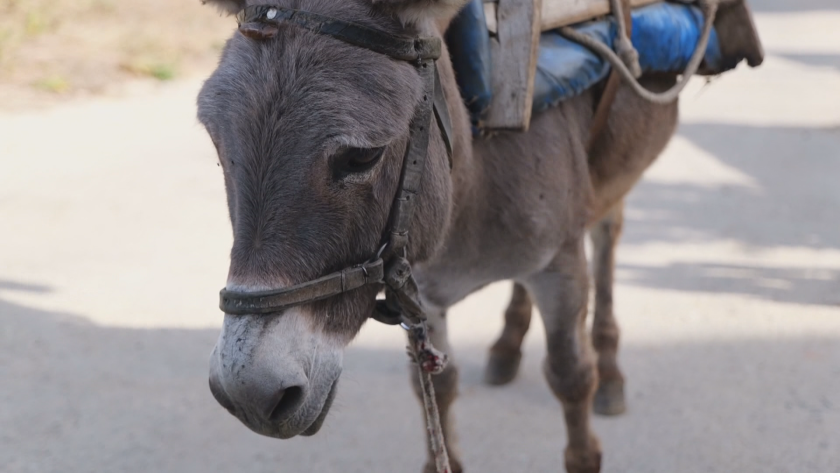
Another reason these animals, once typical of Bulgaria, are disappearing is the modernisation of agriculture. Today, even for short journeys, people use four-wheel-drive vehicles and other motorised transport instead of donkeys or horses. Thanks to people like Desislava, however, donkeys in Bulgaria are unlikely to disappear completely, even if their numbers remain small.
Desislava Kranchova—donkey owner: “Donkeys are very smart. As soon as they hear my voice, they start braying. They’re very smart animals…”

On International White Cane Day: Blind People in Varna Call for More Accessible Urban Environment
PM Radev to NATO Secretary General Rutte: Black Sea Security Is Eastern Flank Security
Plovdiv Court of Appeals Remands Woman Accused of Organising a Scheme to Embezzle Funds from the National Health Insurance Fund
Лошото време осуети изтеглянето на кораба „Челси-3“ до пристанище Бургас
Зеленски: Търпението ни се изчерпа, Тръмп не застава на правилната страна на историята
80-годишен мъж почина в болница, след като е открит в безпомощно състояние до метростанция “Жолио Кюри”