
ИЗВЕСТИЯ

Моите новини

ЗАПАЗЕНИ

35% food mark-up in Europe, 100% in Bulgaria - Why?

bnt avatar logo от БНТ
A+ A-
Чете се за: 07:05 мин.

EN

Distortions throughout the food production and trade chain found by the Commission for Protection of Competition

поскъпнала потребителската кошница основни храни

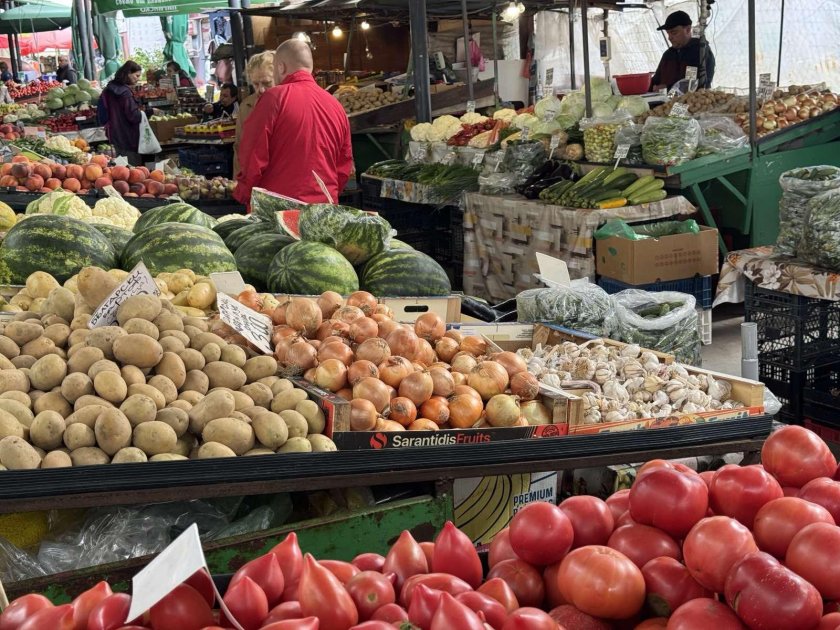
The Commission for Protection of Competition has identified distortions across the entire food production and retail chain, according to a long-awaited analysis which, it transpired, is only an interim report. The Commission found no evidence of speculative price increases, even though mark-ups were shown to reach 135%. This was explained by the preferential terms under which producers supply the large retail chains.

Another finding from the study: average food mark-ups are 35% in Europe, compared with 100% in Bulgaria.

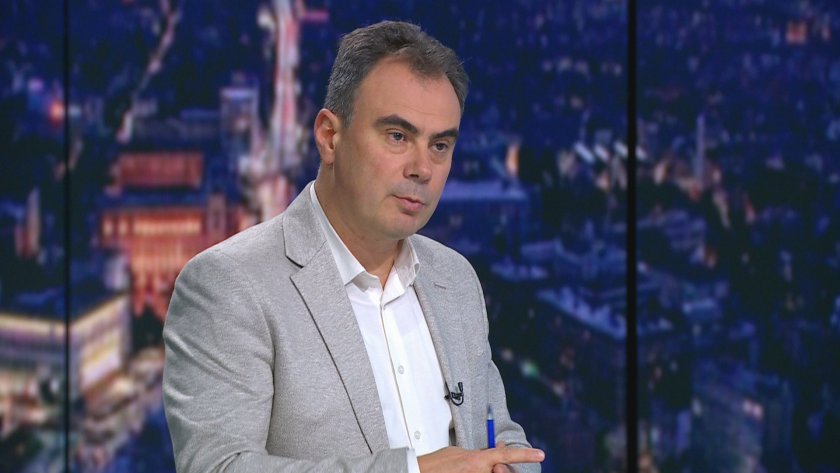
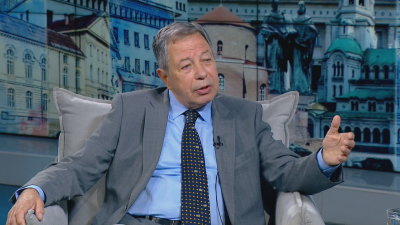
A member of the Commission, Zhelyo Boychev, told the BNT “Speak Now” programme on Sunday that the regulator will intervene regarding the pricing of food products. He stressed that although the Commission has no direct remit over prices, it can safeguard free competition and protect producers, which in turn can gradually influence consumer outcomes.

“We examined the market for agricultural and fast-moving food products and the modern retail sector. To identify trends, we selected ten products for scrutiny: milk, dairy products, meat, meat products, flour, bread, sunflower oil, eggs and mineral water. We wanted to track the dynamics of these products, but we realised that to produce a sound analysis we needed to cover the entire chain of production, distribution and sale. To draw correct conclusions, we first compared production levels. We looked at the output of these key food items in Bulgaria,” Boychev explained.

He said the study had clearly shown that there are deficits, distortions and structural problems in the market.

“One of our objectives, as we move into three deeper areas of investigation, is pricing. If we avoid the broader conversation about the sector and its trends, we will never resolve the issue of shelf prices. When there is no domestic production, when competition is weak, and when added value is not fairly distributed, high prices are inevitable. When you cannot meet domestic demand and rely on imports, we will keep having this same discussion — and we will have no instruments to correct it. Our aim was to assess the state of the sector. The competition authority is often misunderstood: there is an expectation that the Commission should answer for prices. It does not regulate prices directly, but it is responsible for ensuring a competitive environment — which ultimately impacts consumers.”

One of the report’s conclusions is that there is no evidence of coordinated behaviour among retail chains to increase prices.

“We requested and analysed data for these products at three points in time: 23 June, when the decision was taken to begin work; 21 July, when Parliament was debating further amendments to the Euro adoption law — and there were speculative claims about retailers attempting to raise prices early; and 4 August. These dates show no increase in prices. There is no trend, and no coordinated behaviour by retail chains to raise prices. We comment only on objective, officially submitted data.”

“We asked retail chains for full information about their suppliers, purchase prices and their pricing models. We accounted for the widespread practice of adding further bonuses and rebates on top of the supplier price — costs borne by producers. After adjusting for this, we presented the final figures showing the full range of mark-ups. These vary from 2% to as high as 91%, 80% for yellow cheese, 70% for white cheese, and so on. This means that at least one major chain — we analysed ten — sells certain products at these margins at specific periods.”

“Having identified these distortions and discrepancies in entry prices and supply prices for identical products — and identical end prices — the Commission concludes that it must now examine the pricing model itself. We are launching an in-depth investigation to determine the basis and justification for these practices. We have published this interim report publicly. Amendments to the law now allow for interim discussion, and we presented the findings to the Bulgarian public. A discussion with all relevant stakeholders and institutions was held yesterday. We stated that we expect comments and recommendations within two weeks. After that, in line with our remit, the report will be forwarded to the bodies responsible for the various aspects of the issue,” Boychev added.

Последвайте ни

ТОП 24

Най-четени

Product image
Новини Чуй новините Спорт На живо Аудио: На живо
Абонирай ме за най-важните новини?