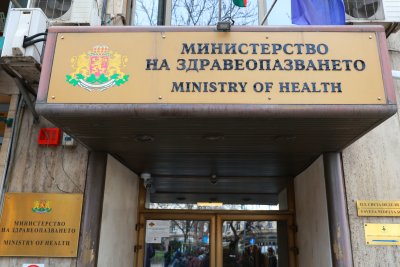
National statistics on February 14 reported a price increase for January, with rises observed across all product categories except for "Clothing and Footwear." The most significant increases were recorded in housing, water, electricity, and food prices.
The annual inflation for January 2025 compared to January 2024 stands at 3.7%, according to the national methodology.
The harmonised index of average annual inflation is 2.6%, the same as the previous month. This index is used to determine whether Bulgaria meets the criteria for joining the Eurozone, but the final answer will come on February 24, when Eurostat announces the inflation rates for other EU countries.
The inflation rate for January was 2%, a jump compared to December, when the price increase was only 0.4%.
The biggest price hikes were observed in cucumbers, peppers, bread, cabbage, and flour. Among non-food items, the most significant increases were in personal document fees, central heating, and electricity.
Prices for margarine, tomatoes, clothing, and footwear have fallen the most.
The average gross salary in December 2024 was 2,468 BGN. The highest salaries, at 5,553 BGN, are in the "Information Creation and Distribution and Telecommunications" sector. The lowest salaries, at 1,557 BGN, are in the "Hospitality and Restaurant Services" sector.


 Rising Prices: 1.5 Million Bulgarians Earn Less Than the Minimum Needed to Cover Basic Living Costs
 Livestock Farmers Block Pleven–Sofia Road near Village of Yasen, Demanding Fair Distribution of Drought Relief Funds
 Minister of Agriculture: Bill to Regulate Large Retail Chains to Be Submitted to Parliament by the End of the Year
 Monthly Cost of Living for a Family of Three Reachess €1,516, Trade Unions Say
 След рекордните санкции от КЗК, производител: И промоциите в магазините са за наша сметка
 "Защо си тръгна, след като даде отровата на детето ми?": Съдът разгледа делото за смъртта на 6-годишния Ангел









 Чуй новините
 Подкаст