




 Чуй новините
 Подкаст
ИЗВЕСТИЯ
Моите новини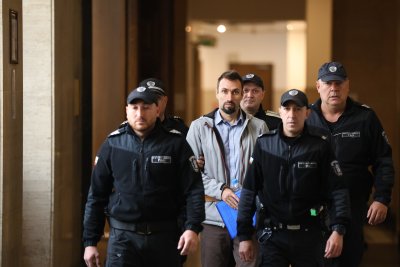
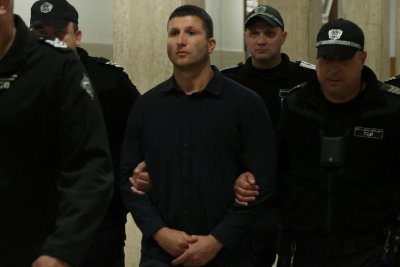
Убийството на Евгения, намерена в куфар: Окончателно - 20...
Чете се за: 02:52 мин.
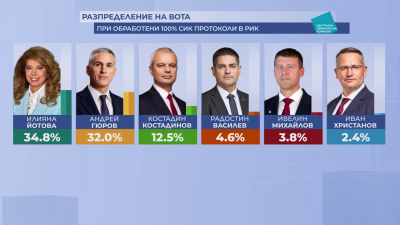
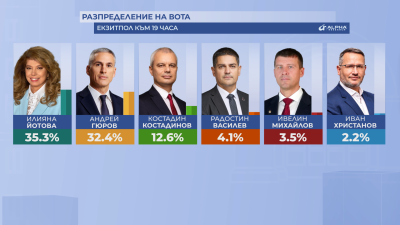
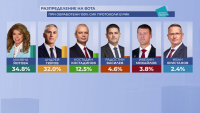
ЦИК при обработени 100% протоколи от СИК: Йотова и Гюров...
Чете се за: 01:02 мин.

Кирил Милов спечели бронзов медал на световното...
Чете се за: 01:45 мин.

"Пирогов": Предприехме всички мерки за...
Чете се за: 02:15 мин.
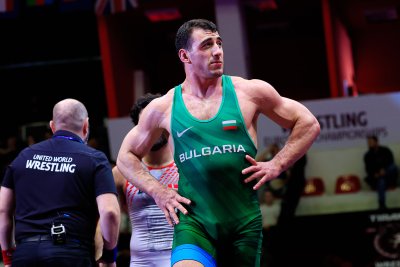
Семен Новиков ще спори за златото, а Едмонд Назарян за...
Чете се за: 03:52 мин.
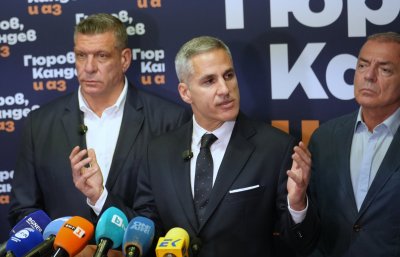
Щабът на Гюров – Кандев сезира ЦИК за предизборна...
Чете се за: 02:35 мин.
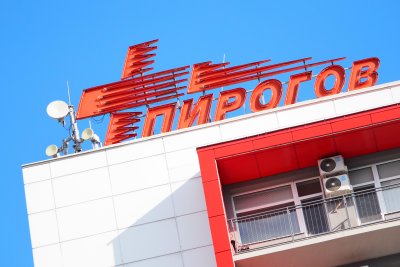
10-годишно дете почина в "Пирогов":...
Чете се за: 01:12 мин.

ЦИК при обработени 100% протоколи от чужбина: Гюров...
Чете се за: 00:32 мин.

Исторически избори в Сърбия: Студентите влизат в...
Чете се за: 03:17 мин.
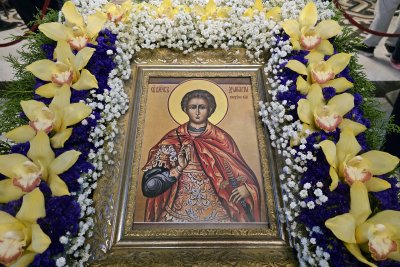
Димитровден е, честит празник!
Чете се за: 04:22 мин.