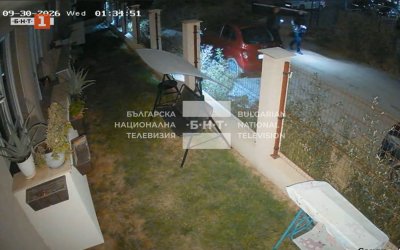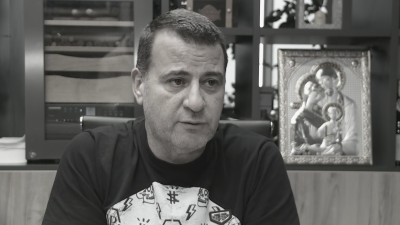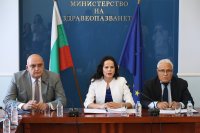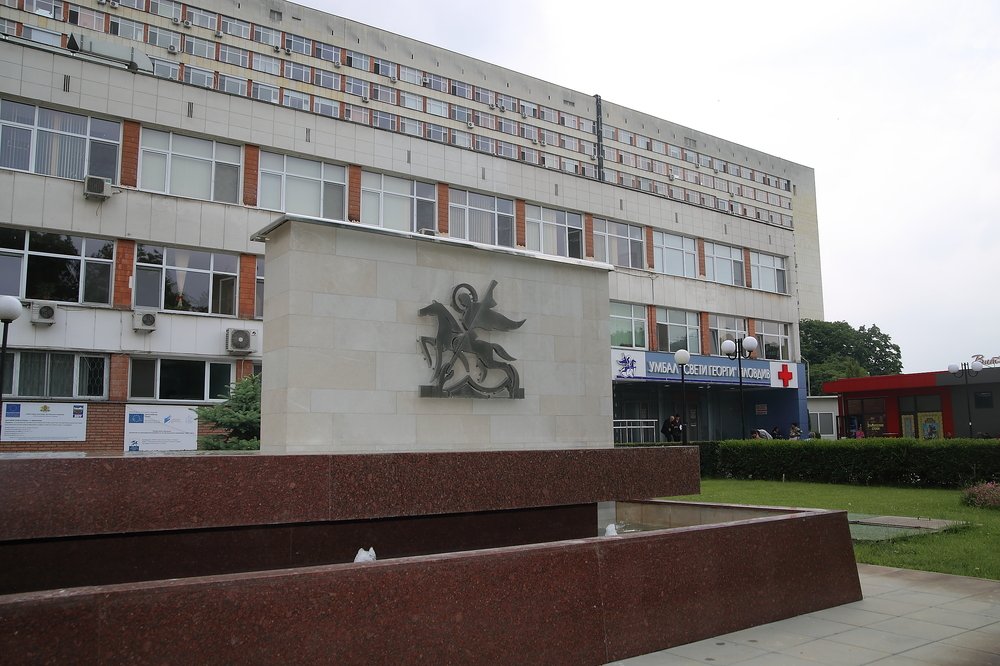
Investigators have uncovered fictitious hospital admissions worth more than €3 million at the Rheumatology Clinic of St George University Hospital in Bulgaria's second largest city of Plovdiv. Six medical professionals have been charged with involvement in the scheme, including the head of the clinic and head of the university’s Faculty of Medicine, Prof Mariela Geneva. Inspections will be launched at hospitals in all regional centres, Health Minister Katya Ivkova said during a visit to Plovdiv.
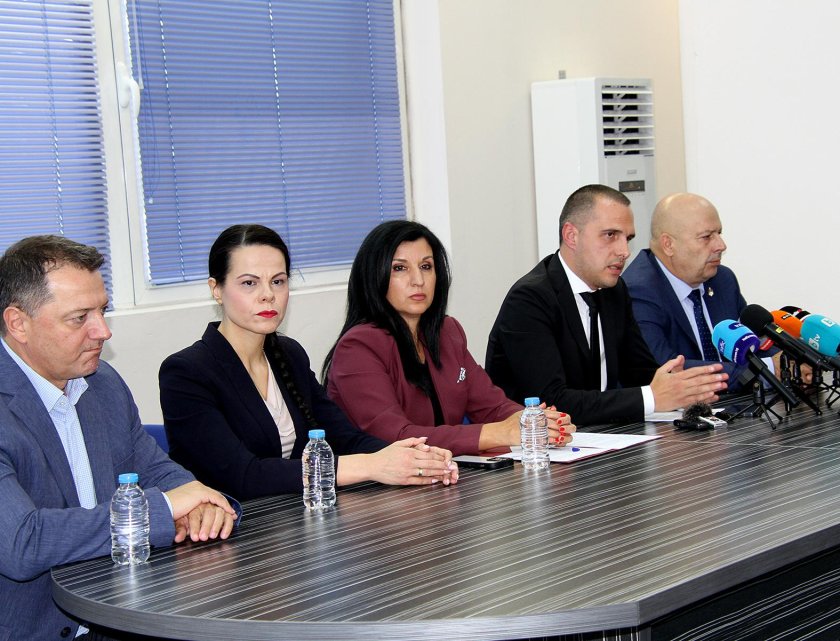
Three of the doctors arrested remain in custody for 72 hours, while three others facing charges have been released on €5,000 bail. The investigation into the scheme has been under way for several months following reports from patients and doctors at the clinic, headed by Prof Mariela Geneva. According to witness testimony, she allegedly required her subordinates to ensure the clinic generated a certain level of revenue every month, which was then distributed as financial bonuses.
Patients were referred for hospital treatment from private medical centres in Plovdiv and Karlovo owned by Prof Popova and her relatives.
Dimitar Pehlivanov—supervising prosecutor: There are 5,000 hospital admission referrals generated for the Rheumatology Clinic at St George University Hospital. A large proportion of those recorded as having been admitted either never visited the clinic at all or were there only to have blood taken.”
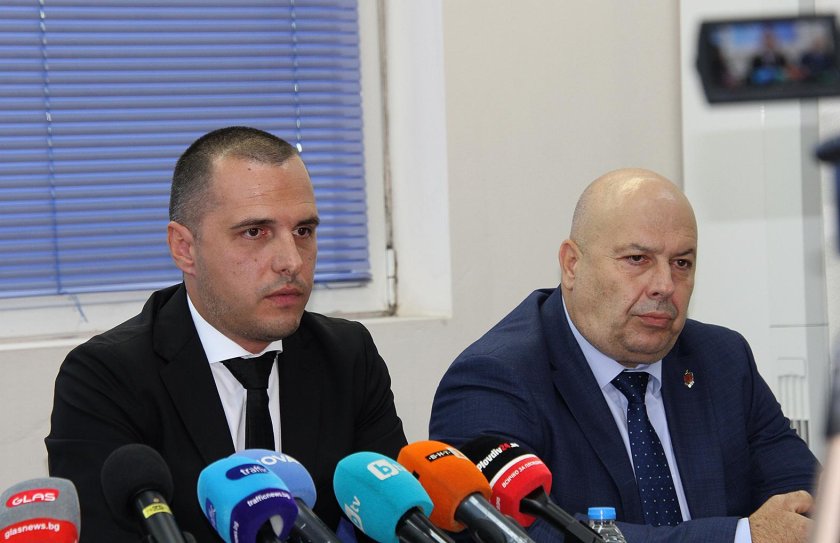
Over a three-year period, 24,000 referrals were recorded by the rheumatology clinic despite it having just 49 beds. During that time, the National Health Insurance Fund paid the hospital €12 million under clinical pathways, of which nearly €3 million was allegedly obtained unlawfully. Some of the money was subsequently returned to those involved in the scheme in the form of additional payments.
Dimitar Pehlivanov – Supervising Prosecutor: “A doctor who did not carry out fictitious hospital admissions received around €1,500 in payment, while those who were part of the scheme received between €6,000 and €7,000.”
During the police operation alone, 15 empty beds were found in the clinic, although according to the records they were occupied by patients. Other patients were discharged prematurely.
Dimitar Pehlivanov – supervising prosecutor: “We uncovered extremely poor and corrupt practices, including orderlies taking blood samples instead of patients, doctors taking blood samples instead of patients, and arrangements being made so that patients would not remain in hospital for more than two days, solely to claim the clinical pathway payment.”
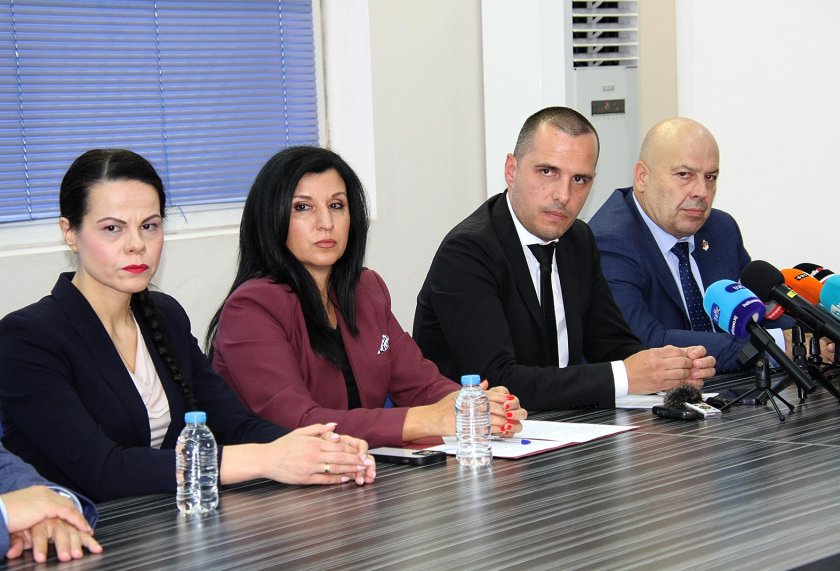
Some of those allegedly treated fictitiously subsequently received sick leave certificates, while others were issued disability assessment decisions by the Territorial Expert Medical Commission (TELK). Numerous expired medicines and improperly stored medicinal products were also found during the operation. There are also suspicions that clinical trials of medicines may have been compromised. The case in Plovdiv has prompted inspections across the country, said Health Minister Katya Ivkova.
Katya Ivkova, Health Minister: “These inspections are important to ensure quality in healthcare and patient safety. Naturally, the way funds are spent is also important, because the budget is limited – it is not small, but it must genuinely be spent appropriately. If a clinical trial is compromised, the subsequent use of the particular medicinal products is compromised as well.”
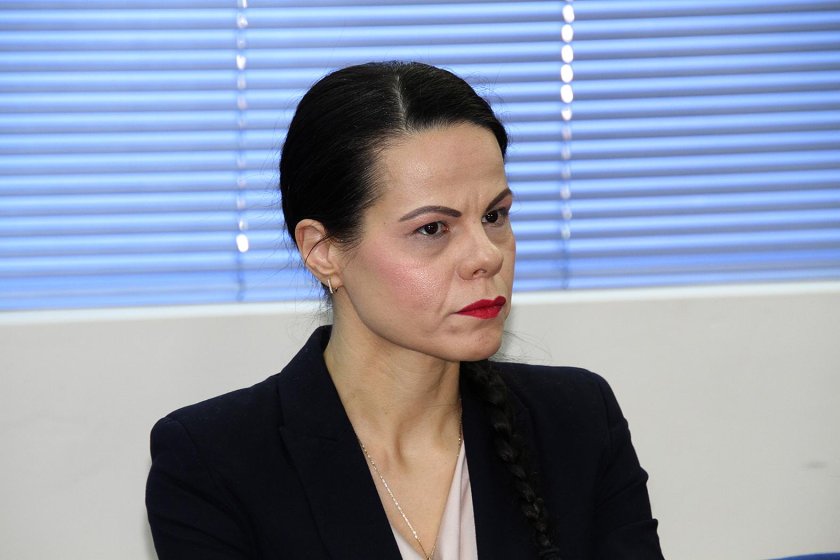
Photos: BGNES
The inspections will involve the Ministry of Health, the Bulgarian Drug Agency and the Executive Agency “Medical Supervision”.


 Scientists in Plovdiv Develop Plant-Based Combination to Support Metabolic Health
 Three Doctors Charged Over Death of a 6-Year-Old Child in Plovdiv To Stand Trial
 Зеленски заяви, че украинските сили не са провеждали операции в зоната на атакуваните кораби край България
 Франция пламна: Сълзотворен газ, вандализъм и палежи в най-мащабния ден от началото на ученическите протести
 Огромен интерес и по време на втората предпремиера на "Под прикритие 6"










 Чуй новините
 Подкаст