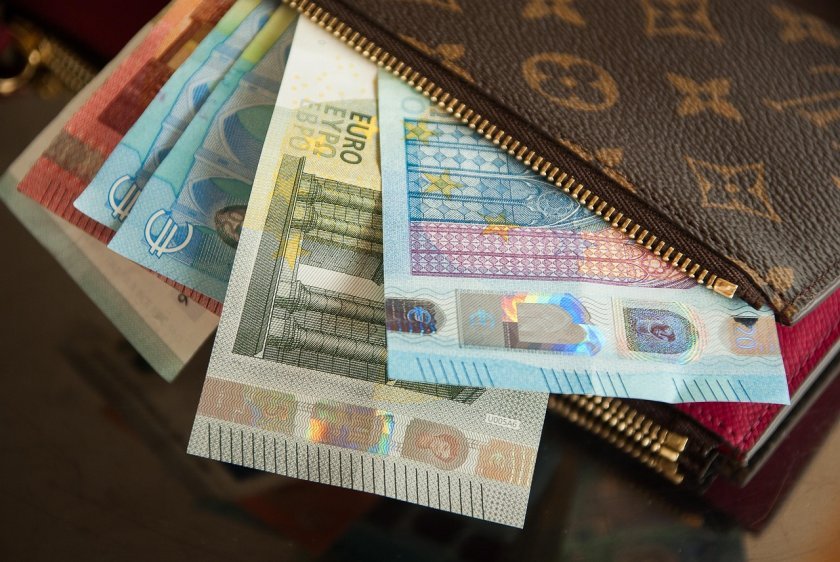

Bulgaria has just 12 days left to complete its dual-currency period, during which payments can be made in both leva and euros. For comparison, Croatia, the last country to adopt the euro before Bulgaria, allowed just 15 days of dual circulation. While the timelines differ, the early experiences of both countries reveal both similarities and differences in their first steps as eurozone members.

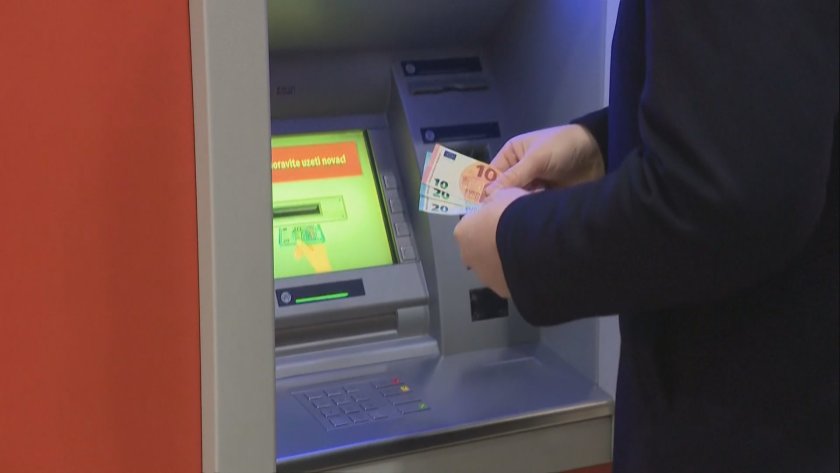
Croatia officially joined the eurozone on 1 January 2023 as its 20th member, marked by a ceremonial withdrawal of the first euro from an ATM by Finance Minister Marko Primorac.

Bulgaria, by contrast, has a longer dual-currency period: the whole of January 2026, after which only the euro will be used. In Croatia, the kuna disappeared from circulation on 15 January 2023 after 30 years of use. Despite the differing timelines, both countries faced similar challenges.
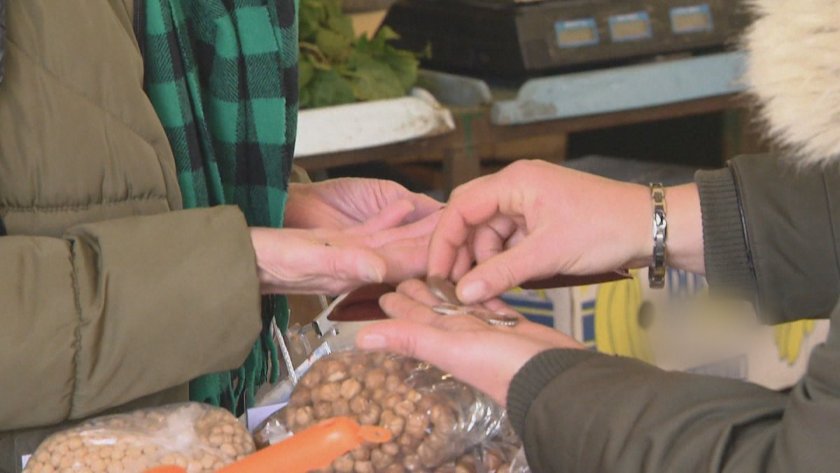
Retailers and consumers quickly had to adapt to handling two currencies. As one shopkeeper explained:
"I have both currencies. So whatever currency a customer pays me in, I give change in the same. What else can I do? I just combine them."
"Do you have a calculator?"
"Of course not."
"How are you coping with the euro?"
"Fine. I pay with kunas and get change in euros. But I don’t count it."
"Is it difficult to calculate the exchange rate?"
"Yes, of course. I can’t do the maths myself, so I just hope people are honest and don’t try to cheat me."
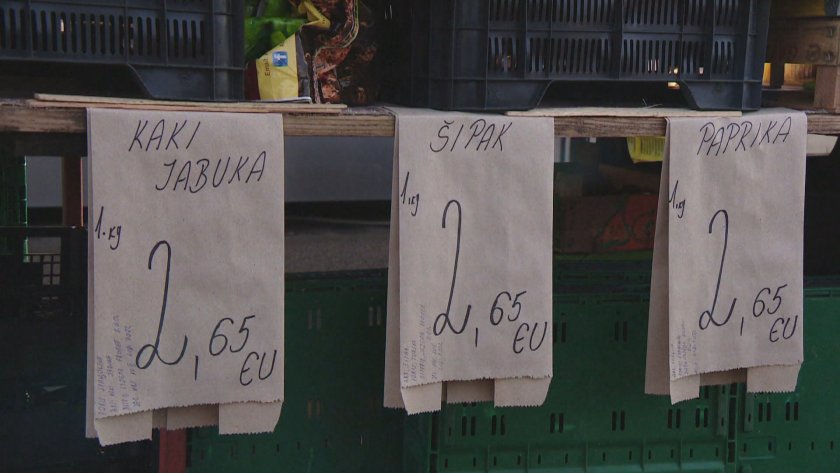
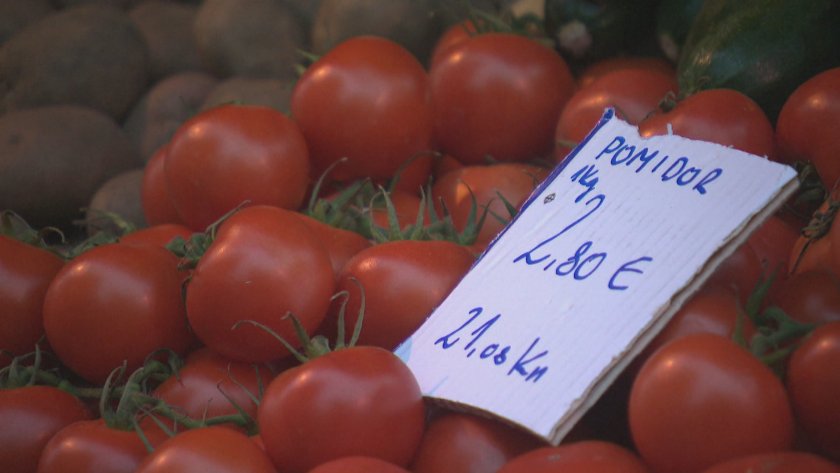
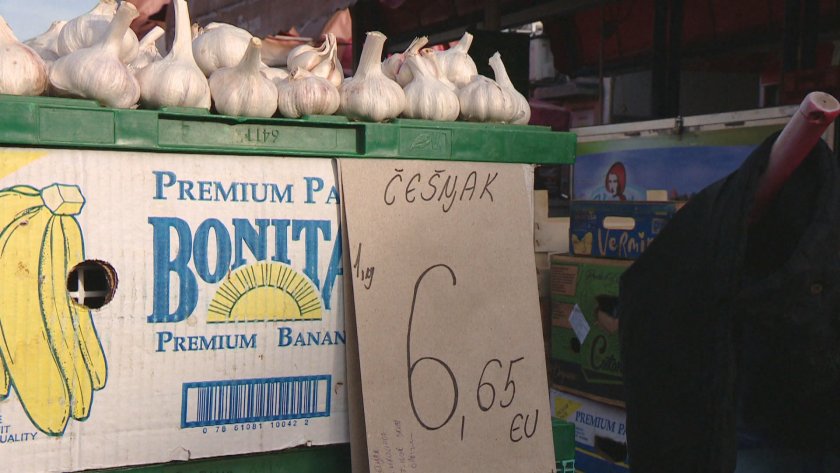
Consumer associations reported early signs of price rounding: "We calculated the price of a coffee at 10 kunas – instead of 1.33 euros, we began receiving reports last summer of prices from 1.50 to 2 euros."
In Croatia, the government introduced legislation banning unjustified price increases and required prices to remain at their 31 December 2022 levels, with widespread inspections.

In Bulgaria, authorities reported that only 7% of inspections found violations during the first two weeks, compared with 40% in Croatia.
Andrija Mikulić, Croatia’s Chief State Inspector, said:
"Some retailers increased prices on individual products by 3–19%, including chocolate, bread, beer, butter, cream, toilet paper, coffee, and other items. Price increases were also seen in services, from 10 to 80%."

Journalists noted at the time that inspections alone could not prevent inflation, which in Croatia had already reached 13.5% in November, a month before euro adoption.
One local reesident said:
"Anyone who raised the price must bring it back. It’s not right, because prices are already out of control."Consumers found the euro slightly more difficult to navigate initially:
"We rounded prices; some went up, some down. Essentially, people still find euros a little harder to use."
Differences between the countries also appear in the banking sector. Bulgaria maintained ATM operations throughout the final hours of 2025 and the first hours of 2026, using dual cassettes for leva and euros. In Croatia, 2,700 of 4,000 ATMs were temporarily taken offline for several days to be refilled with euros.
Bulgaria also benefits from more post office branches handling currency exchange – double the number in Croatia, which has 1,016 branches.
Bulgaria Calls for Dialogue over Greenland Issue, Says Outgoing Foreign Minister
Bulgaria’s “Get to Know Bulgaria” Movement Marks 60 Years of Inspiring Travel
Temporary Water Supply Disruptions in Parts of 'Ovcha Kupel' 2 and 'Mladost' 3
Политическите реакции след заявката на Румен Радев за влизане в политиката