

Just hours before we become the 21st member of the euro area, here are a few interesting facts about the currency that ranks second among the most widely used in the world and is carried in the pockets of 341 million people.
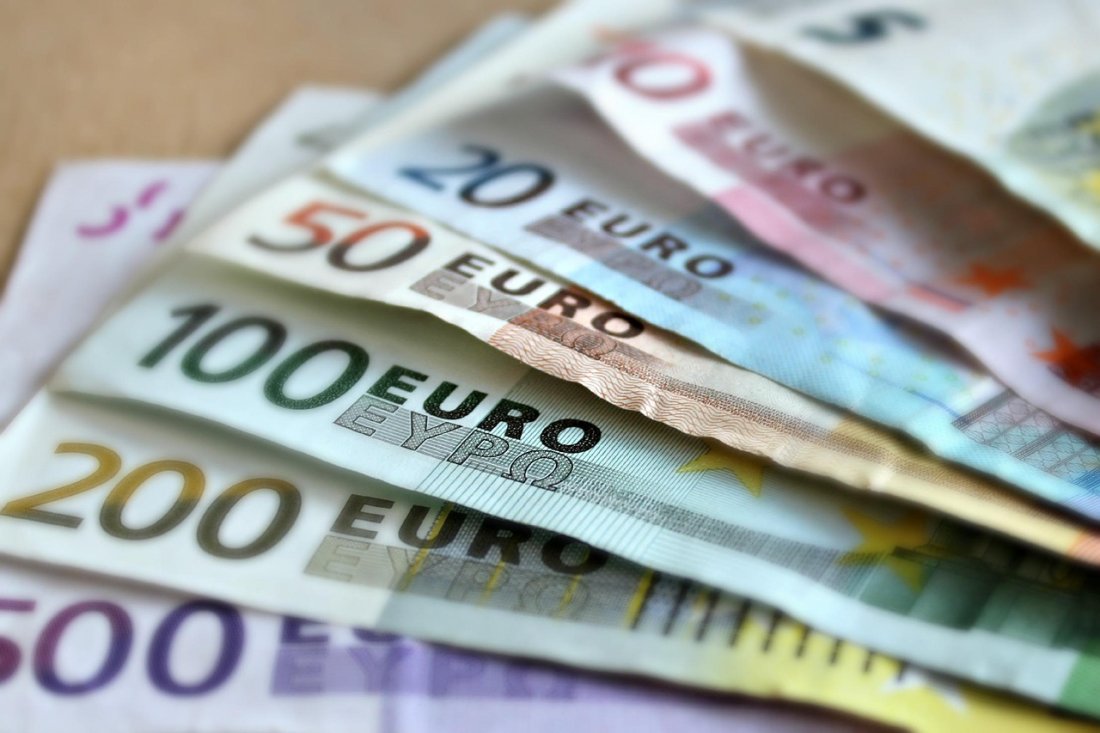
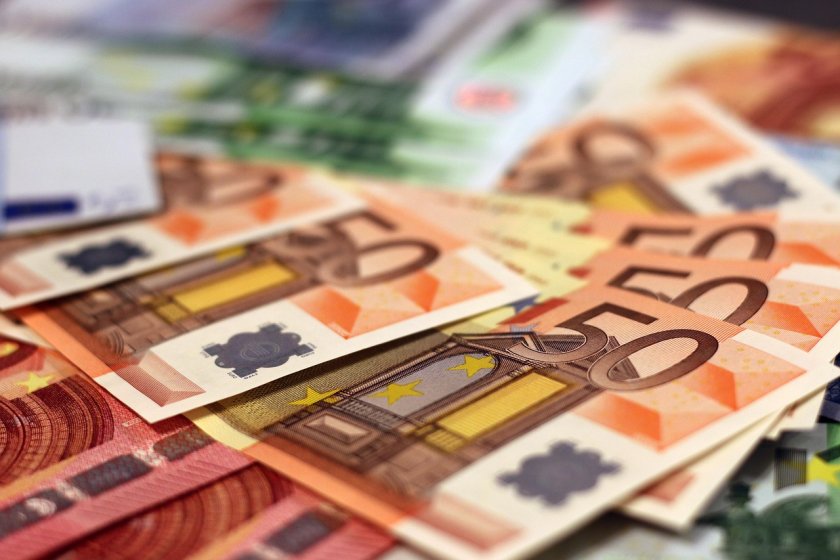
At present, around 29 billion euro banknotes are in circulation, with a total value exceeding €1.5 trillion. The most commonly used denomination is the €50 note, while according to the European Central Bank, the €20 and €50 banknotes are the most frequently counterfeited.

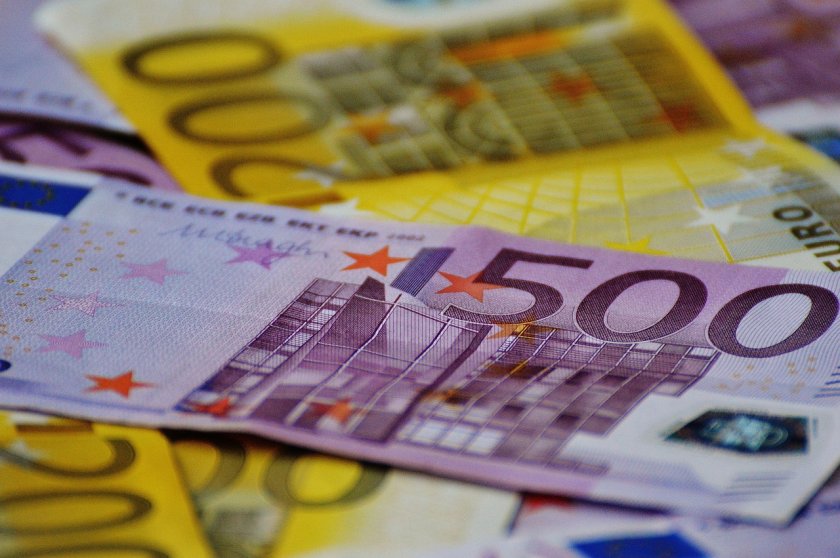
Two series of euro banknotes have been issued to date. The first dates back to 2002, the year the euro was introduced. Seven denominations were printed at the time: €5, €10, €20, €50, €100, €200 and €500. These notes have gradually been replaced by the second series, known as “Europa”. The €500 note is no longer issued, although it remains legal tender.

Banknotes from the second series are far more secure against counterfeiting and more durable. They now include the word “euro” written in Cyrillic and feature a portrait of Princess Europa from Greek mythology. Another interesting detail is that the windows, doors and bridges depicted on the notes do not actually exist.
Eleven printing works across Europe are certified to produce euro banknotes. One curious fact about them is that euro notes rustle more than, for example, Bulgarian lev banknotes, because the paper is made primarily from cotton fibres.

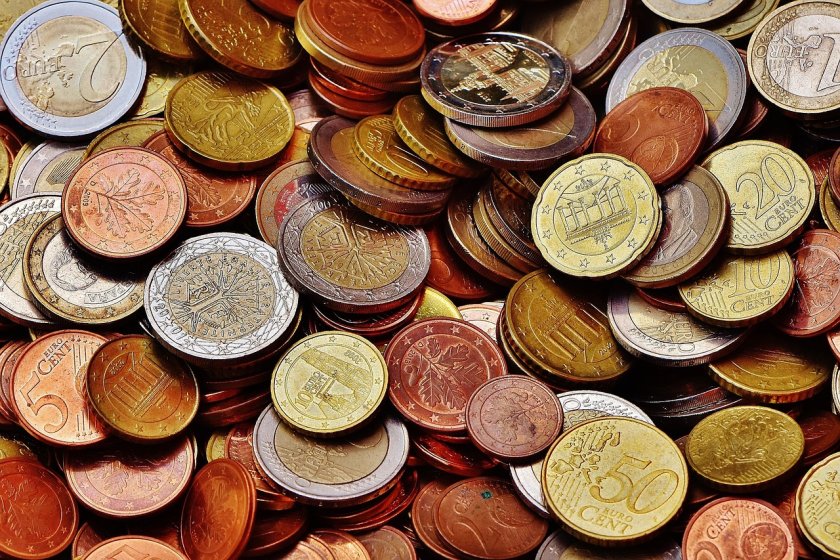
Euro coins are produced differently: they are minted in each euro area member state and feature a national design on one side.
"Welcome, Bulgaria" Lights Up the European Central Bank Building in Frankfurt
Farewell to the Lev (BGN) - After 145 Years of Existence, Bulgaria's National Currency Will Come to an End as the Country Is Set to Adopt the Euro
No Pollution of Sea Waters After Stranded Tanker 'Kairos' Was Towed to Burgas Bay
On the Eve of the Euro Adoption: Key Dates for Bulgaria’s Switch to the Single Currency
„Можете да се гордеете“: Поздравления от ЕК и ЕЦБ за приемането на еврото от България