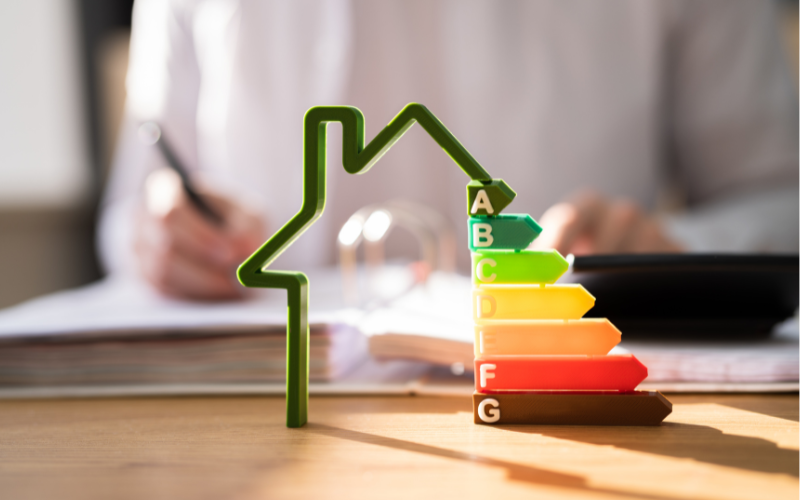
The National Decarbonisation Fund will provide financing for the renovation and installation of solar systems in single-family homes. The new programme, developed by the outgoing government, aims to help households reduce their electricity and heating costs.
Report by Petar Doikinski for the series “Climate – The Hard Truth”.
The programme will be flexible, offering different options depending on the needs of each household.
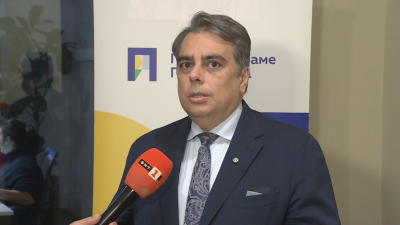
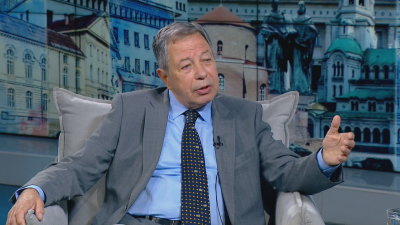
Zhecho Stankov, outgoing Minister of Energy:
"If someone wants to apply only for windows, or only for insulation, or only for a solar installation, they can choose that. But they also have the option to apply for all three."
Priority will be given to energy-poor families, who will receive additional points when applying for funding. Next year, details will be announced on how households can submit their applications.
Zhecho Stankov:
"The documents that households will need to submit will be minimal, so as not to burden them. If you have a property deed, there’s no need to provide anything else."
Municipalities across Bulgaria will play a key role in funding the Decarbonisation Fund, as they are already upgrading street lighting using Recovery Plan funds.
Zhecho Stankov:
"Every year, municipalities will return 10% of the funds used to a dedicated fund we are now creating. Over the next five years, we expect contributions of nearly €20 million to this fund, which will serve as the initial capital to get it operational."
The programme for renovating single-family homes is expected to significantly reduce monthly electricity bills. The Ministry encourages households to also apply for funding for solar installations.
Zhecho Stankov:
"Those who have solar panels on their roofs and storage batteries will become partially self-sufficient. Regardless of weather conditions, they will be able to generate their own energy for an extended period."
One office in Varna has had a solar installation for more than ten years. The system powers servers, computers, household appliances, air conditioning units, and the water heater. Solar panels are integrated into both the roof and the facade, providing occupants with 90% energy autonomy.
Eng. Kolyo Oreshkov:
"This is a long-term investment that creates comfort, sustainability, and independence in energy supply, which is otherwise highly volatile."
Around 30% of a household’s electricity costs are associated with water heating.
Eng. Kolyo Oreshkov:
"Here we are talking about a standard 100–120 litre water heater. Directly powering its electric element with energy from photovoltaic modules allows the solar energy to be stored as heat. With the same system, for about nine months of the year, hot water supply is fully covered. Two-kilowatt modules and a control and management module are enough to provide hot water for a household."
Converted solar energy is established as one of the cleanest sources of electricity, producing no harmful carbon emissions.
“Conversations About Life and Dreams” Through the Eyes of Children Deprived of Parental Care
As Bulgaria Nears the Euro, Exhibition Showcases the History of Bulgarian and European Banknotes
Gold Medals for Three Bulgarian Students at International Mathematics Olympiad
High Interest in Bulgarian Border Police Positions Saw 2,600 Candidates Apply for 400 Available Roles
Snowy Christmas in Parts of the Country, Temperatures to Drop to Minus 10°C Before New Year
Снежна Коледа в някои части на страната, преди Нова година температурите падат до минус 10°
Взрив в Москва уби високопоставен руски генерал, Кремъл подозира украинското разузнаване
Две трети от децата в училище избягват да използват тоалетните - до какви проблеми води това?