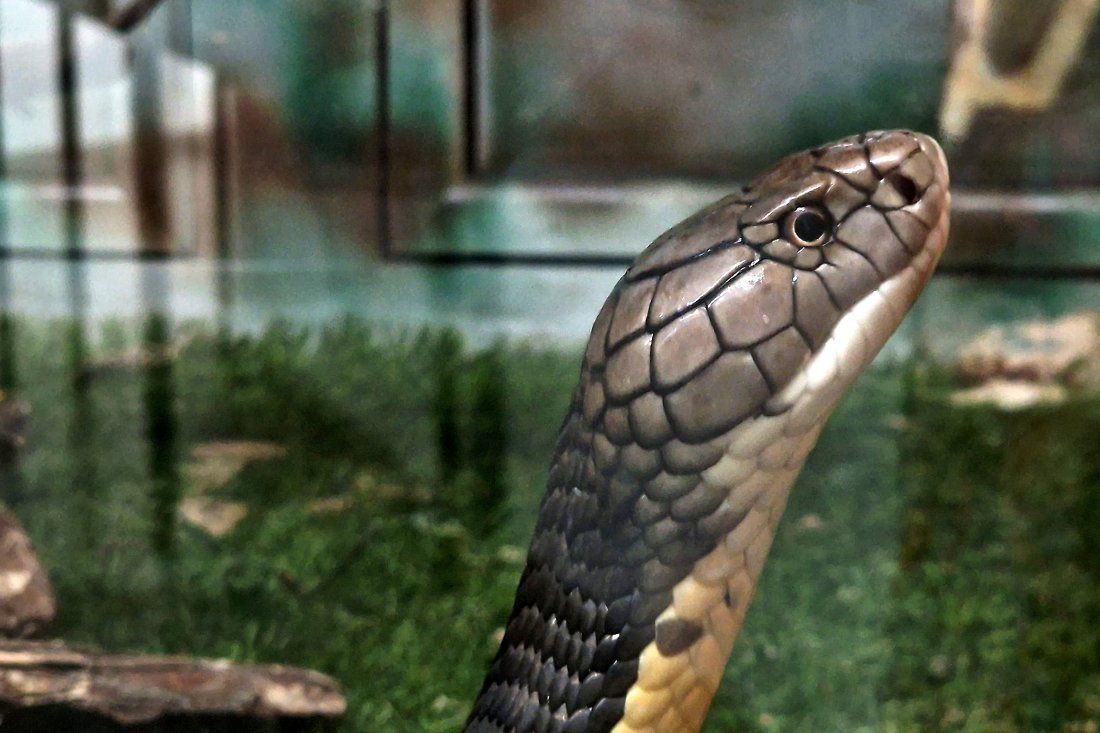
The warm weather has brought snakes out into public spaces in Blagoevgrad and other major cities. While these reptiles are part of the natural environment, they can in some cases pose a risk to human and animal health.
Last summer, there were nearly 20 reported cases of people being bitten by snakes in southwestern Bulgaria. About half of those affected required hospital treatment.
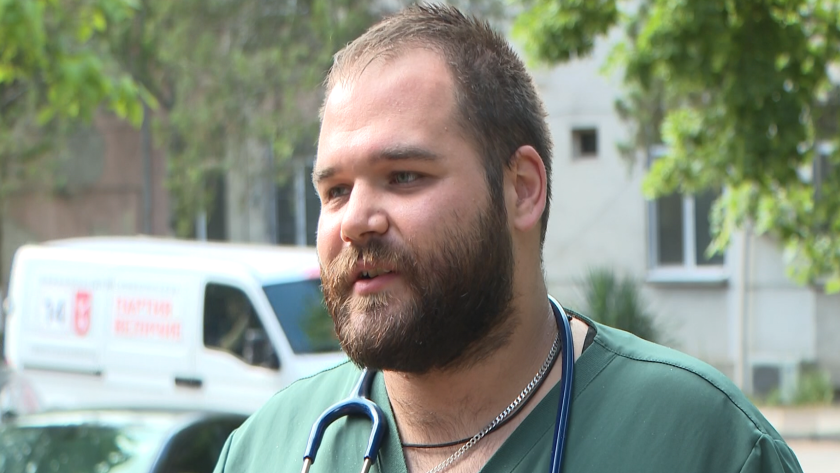
Ivaylo Parev, anaesthesiologist at Blagoevgrad’s hospital, warned that snakebite cases are expected to increase again.
“We expect a rise in such cases. Last year, unfortunately, they were not few. We had a significant number of hospitalisations, some in more severe condition,” he said.
Medical professionals therefore advise seeking urgent medical attention in the event of a snakebite.
Dr Parev added:
“In field conditions, the first thing to do is to apply pressure to the affected area and seek immediate medical help… All other measures, such as sucking out the venom or applying tourniquets, are myths.”
Veterinarians also stress that animals — whether pets or livestock — should receive immediate veterinary care if bitten.

Veterinary surgeon Svetoslav Dimitrov said that cats are more likely to catch and even bring snakes back to their owners, while dogs lack this instinct.
“Cats, given their behaviour, catch them, sometimes eat them and show them to their owners. Dogs, however, do not have this instinct. They are larger, more sluggish animals, and therefore more likely to be bitten. This also applies to farm animals that feed in bushes. In some cases, it can be fatal if medical help is not sought in time,” he said.
Doctors advise pet owners to avoid walking animals in overgrown or uncut parks and green areas, as this reduces the risk of unexpected encounters with snakes.


 Central Election Commission: With 7.37% of Polling Station Protocols Processed, Iotova and Gyurov Head to a Run-off in Presidential Election on 1 November
 Илияна Йотова: Илюзия е, че ако не се гласува, можем да извършим промяна в страната
 Историческа победа за студентите, Вучич призна загубата си на парламентарните избори в Сърбия










 Чуй новините
 Подкаст