A temporary traffic organisation has been introduced across Bulgaria’s national road network due to the high temperatures expected in July and August, the authorities announced on June 30.
Prolonged sunshine and heat create a risk of permanent deformation of asphalt surfaces caused by heavy goods vehicles traffic. This is due to the bitumen component in asphalt mixtures, which becomes plastic when temperatures rise above 35°C.
Under such conditions, vehicles with a total weight of over 20 tonnes can cause surface deformation, resulting in uneven road surfaces that may increase the risk of accidents. During rainfall, these deformations can also collect significant amounts of water.
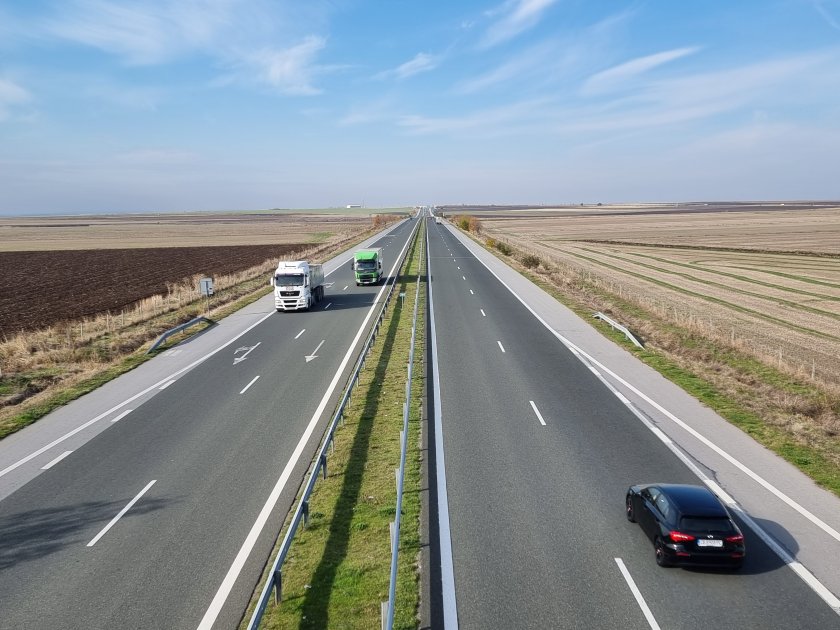
The highest heating of road surfaces occurs in the afternoon hours, which is why restrictions have been introduced on the movement of heavy goods vehicles over 20 tonnes between 13:00 and 21:00. The ban does not apply to vehicles transporting dangerous goods (ADR), live animals, perishable food products, or temperature-controlled cargo.
To improve safety and protect road infrastructure, additional restrictions have been introduced by regional road authorities in Haskovo region, including:
A-4 “Orizovo – Kapitan Andreevo border checkpoint” (km 19+800 to km 111+320)
I-5 “Stara Zagora – Dimitrovgrad – Haskovo – Kardzhali” (km 266+600 to km 319+100)
II-55 “Nova Zagora – Dripchevo – Svilengrad” (km 151+060 to km 186+310)
Heavy goods vehicles should wait outside the roadway at designated safe locations without obstructing other road users.


 ЦИК при обработени 7.37% СИК протоколи: Йотова и Гюров отиват на балотаж на 1 ноември (ОБНОВЯВА СЕ)
 Историческа победа за студентите, Вучич призна загубата си на парламентарните избори в Сърбия










 Чуй новините
 Подкаст