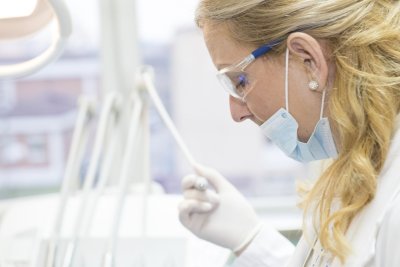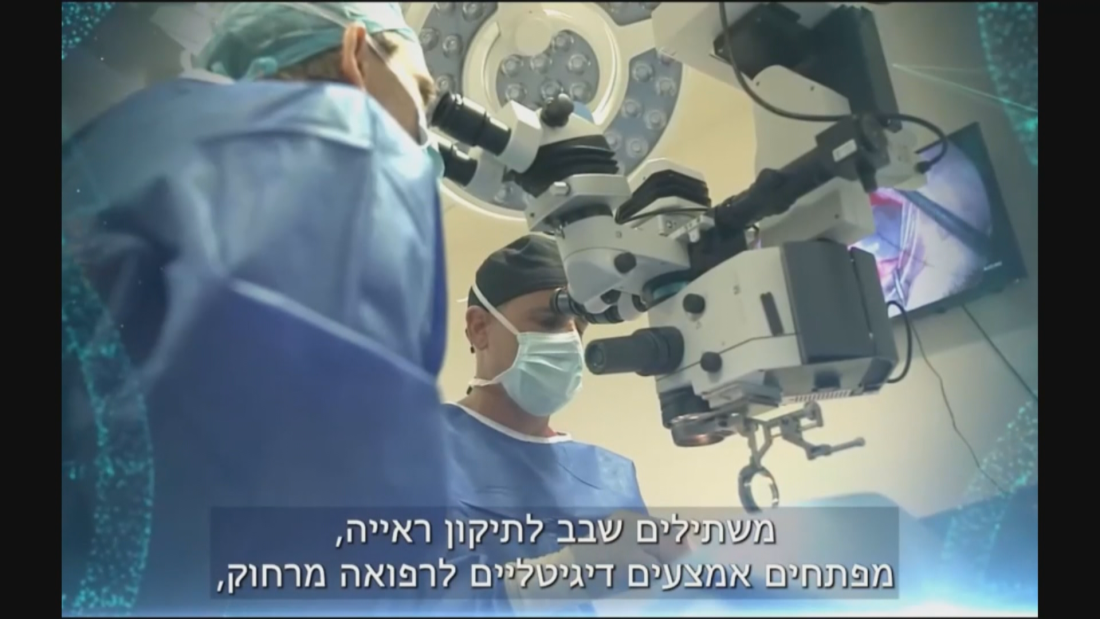
Imagine a world where there are no disadvantaged people, the symptoms of disease have not yet appeared, and we have already taken action. Such a world without queues outside surgeries in polyclinics and hospitals seems like fiction, but in reality it is very close. Israel is a leader in the integration of artificial intelligence into the healthcare system.
It is there that, for the first time, artificial intelligence has saved a human life, and it is also where the patient’s digital twin has been developed – a model capable of predicting future illnesses.
Representatives of the Israeli healthcare system have introduced the potential of these new technologies in our country as well. Tonya Dimitrova from BNT spoke with Yoel Ben-Or, Director of Digital Health at the Israeli Ministry of Health.
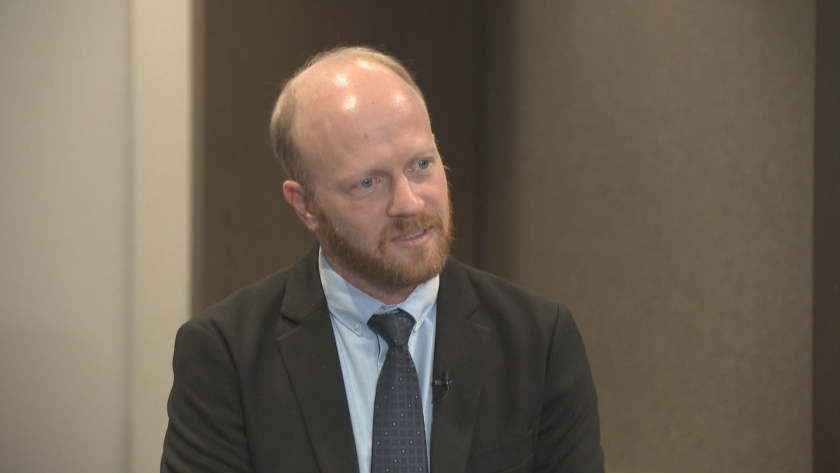
Israel is the first country in the world to begin integrating artificial intelligence into its healthcare system, and the first to save a patient’s life using AI technologies. To what extent are these technologies currently integrated into your healthcare system?
Yoel Ben-Or, Director of Digital Health, Israeli Ministry of Health:
There are many examples, starting with radiological imaging. Over the past two or three years, however, the use of AI has become far more widespread. A large proportion of these products are still in the pilot phase, but you are already seeing extensive implementation across healthcare services.
- Can you give us specific examples?
Yoel Ben-Or:
You mentioned saving lives. I believe the example you referred to concerns a company that can analyse CT scans and instantly determine whether a stroke has occurred, without any waiting time. As you know, in the case of a stroke, time is the most critical factor. There is no longer a need to wait for someone to read the scan; an algorithm can immediately indicate that the patient has suffered a stroke. This is something that truly saves lives.I think these were the first cases of AI use in medical imaging, but today you can also see very widespread application in primary care. One of the largest healthcare organisations in Israel, covering around 50% of the population, scans all medical records every day. Each individual record is compared with those of patients in similar health conditions, cross-referenced with the most up-to-date clinical guidelines, and alerts the physician. The system sends a message advising that a patient should undergo a specific test or examination.
What has happened over the past few weeks is that they no longer alert only the doctors. They also send notifications directly to patients, informing them that they need to undergo a particular investigation. This is a clear example that illustrates the transformation in the delivery of primary healthcare in Israel.
Reducing waiting times for medical care and facilitating the flow of information – is this the immediate effect being seen in the healthcare system?
Yoel Ben-Or:
First and foremost, I believe the quality of services has improved. You cannot expect every doctor to be fully familiar with every clinical guideline published yesterday, or with every new study that has just appeared. Clearly, the only way to manage this is by consulting a specialist, but the average physician cannot process all the data from all studies. If there is an AI assistant to guide them and indicate the best practice for a specific case, this represents a significant improvement in the quality of care.The next change is greater efficiency. As you know, we face a substantial workforce shortage. Artificial intelligence also reduces the burden of documentation and bureaucracy, which is another major improvement.
Yet we are entrusting artificial intelligence with the most valuable thing we have – our health and our lives. How reliable are these technologies? Is a second layer of human verification still necessary?
Yoel Ben-Or:
It really depends on how the technology is used. Clearly, safeguards must be in place, and in many cases a human still needs to be in the loop as a second verifier. If we want to achieve greater efficiency, we must manage risk appropriately. You know, the healthcare system already understands risk management – that is what it does all the time.What we need now is specific risk governance for the use of artificial intelligence within healthcare organisations. These regulations are currently under development. Ultimately, this is where we are heading – we will have AI agents performing a wide range of tasks, and we will need to oversee and control the associated risks.
When we talk about artificial intelligence, the issue of data security and privacy always arises. What are the risks?
Yoel Ben-Or:
Whenever you handle data, there is a risk to privacy, but it is essential to protect and manage that risk. This is not something that healthcare organisations or governments cannot handle. You need to understand where the risks lie and manage them, and I believe there is no problem in implementing the appropriate privacy safeguards.The risks are higher, but so is the potential impact. Therefore, it is absolutely necessary to build robust privacy protection and cybersecurity measures. There are certainly challenges, but this is not nuclear physics – it just needs to be done correctly. The key is to implement these protections from the very start when developing a new project.
What type of product is applicable to our healthcare system at present, which we could implement and integrate into our healthcare services?
Yoel Ben-Or:
There is one company that performs ultrasound examinations and, using artificial intelligence, can assess whether there is any problem with your heart. This makes the system far more efficient because it reduces the pressure on cardiologists – the examination can be carried out by another physician, and only if an issue is detected does the patient need to see a specialist.That is just one example. There are many solutions that allow less specialised healthcare teams to conduct initial assessments, and if a problem is identified, refer the patient to a specialist. This significantly shortens patient waiting lists and helps doctors provide better care.


 Scientists in Plovdiv Develop Plant-Based Combination to Support Metabolic Health
 Three Doctors Charged Over Death of a 6-Year-Old Child in Plovdiv To Stand Trial

 Тръмп се срещна със Зеленски в Ню Йорк, работят за решение за войната в Украйна
 Обезопасено е свлачището във Варна: Хората от най-близките къщи са евакуирани










 Чуй новините
 Подкаст