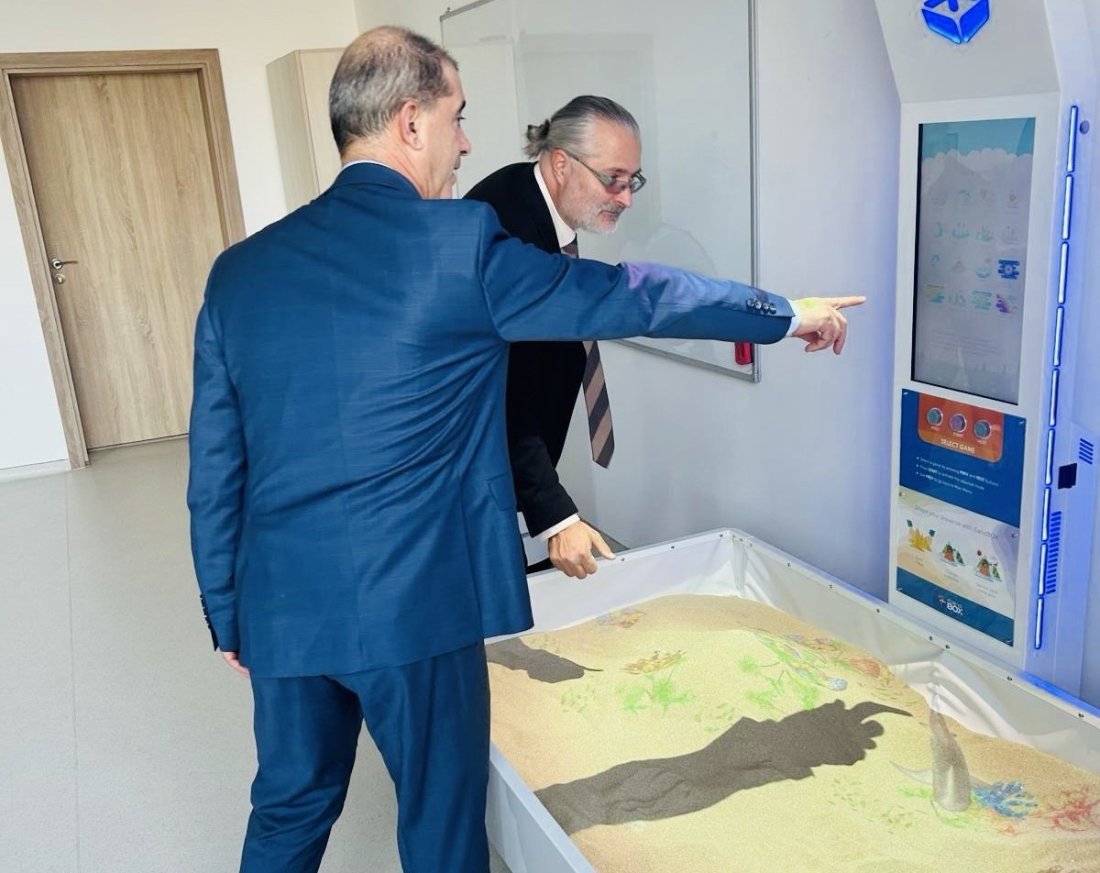
The Intelligent Systems Laboratory at Burgas State University “Prof Dr Asen Zlatarov” and the Centre and Laboratory for Autism Research at the Faculty of Education and Arts at Sofia University “St Kliment Ohridski” are joining forces to investigate the causes of autism.
“Our experience so far has shown that joint efforts yield strong results. I believe our computer-based developments will support more in-depth analysis, which will benefit medical science,” said Prof Dr Sotir Sotirov, Rector of Burgas State University.
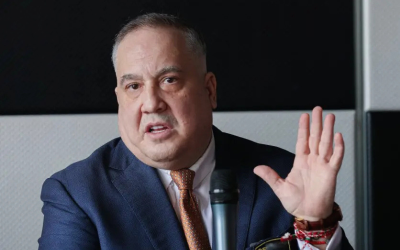
Prof Dr Milen Zamfirov, Dean of the Faculty at Sofia University, noted that while there is now clarity about what autism is, its causes remain unknown.
“Autism has accompanied humanity for millennia, and retrospectively, the research conducted so far has not provided accurate and reliable information about what triggers it. Our newly established Centre with a laboratory for autism research at Sofia University aims primarily to support the diagnosis of autism and the inclusion of autistic children in the school environment,” Prof Zamfirov said.
He added that the laboratory will conduct non-invasive genetic studies aimed at examining mechanisms associated with the manifestation of autism.
“Findings so far show that vaccines and paracetamol do not cause autism. The causes remain unknown and research continues. An important aspect of our work is to prevent misinformation,” Prof Zamfirov stated.
The two leading laboratories will combine their efforts to carry out a series of studies related to the origins of autism, as well as to build new models of collaboration between higher education and pedagogical specialists in early years and primary education.
Their joint work will also focus on developing and enriching existing partnership models, alongside collaborative efforts to secure grant funding to support future shared initiatives.
Krasimir Kralev, a PhD student at Burgas State University, presented a neural-network-based system designed to create an intelligent tool for recognising X-ray images in cases of childhood pneumonia. This positive example, the institutions said, demonstrates the potential for Burgas State University to support the objectives of both laboratories through the application of artificial intelligence.


 10-Year-Old Child Dies at 'Pirogov' Hospital: Prosecutors Investigate Possible Negligence
 Doctors in Pleven Performed Intercontinental Robotic Surgery With a Surgeon in Shanghai and a Patient in Bulgaria
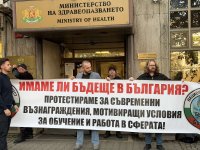 Young Doctors Stage Another Protest, Calling for Better Working Conditions and Decent Pay
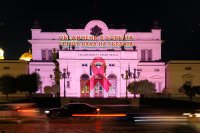 National Assembly’s Historic Building Lights Up Pink for Breast Cancer Awareness Month
 "Това е победа на смелостта над страха": Студентите в Сърбия ликуват след триумфа на изборите










 Чуй новините
 Подкаст