After 26 hours of blockade: Greek farmers let the traffic through Kulata–Promachonas
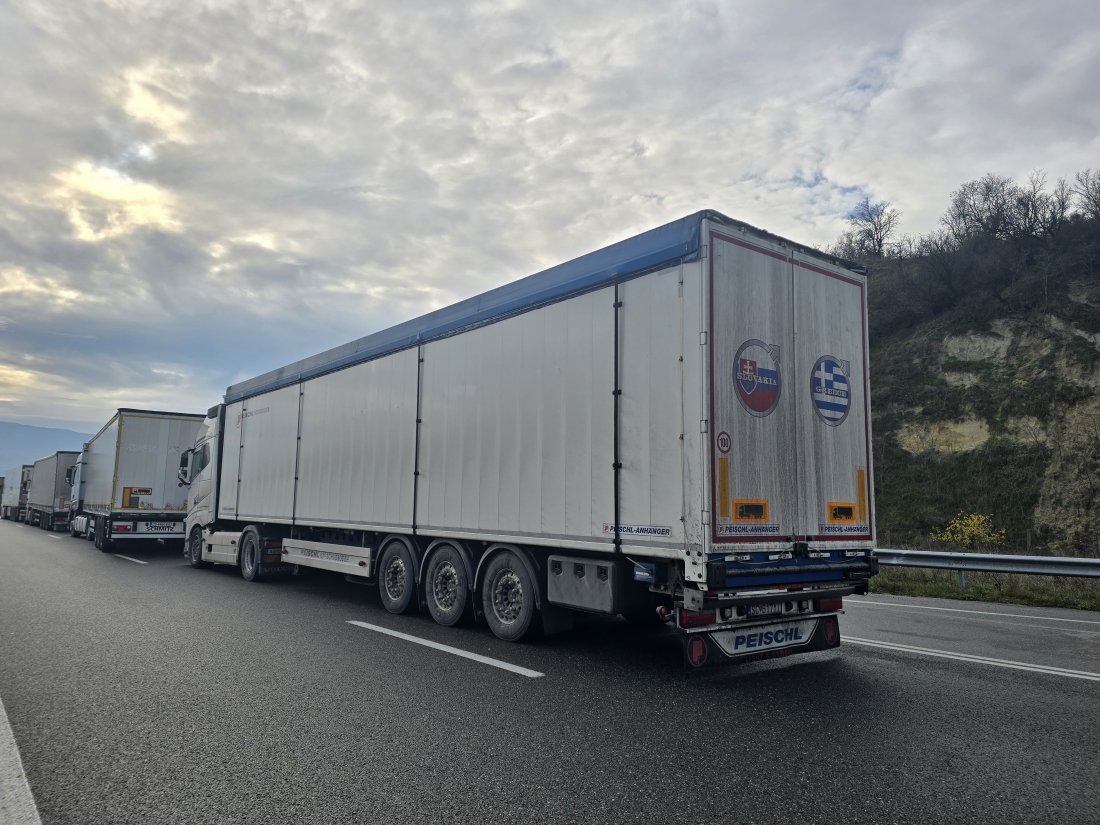
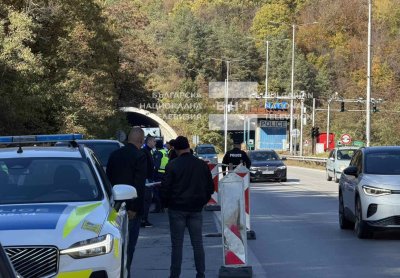
Traffic at the Kulata–Promachonas border crossing has been fully restored, with lorries and cars now passing normally in both directions. After a 26-hour blockade for heavy goods vehicles, which began around midday yesterday, Greek farmers finally started allowing lorries through at about 14:00 today, January 9. The kilometres-long queue has since begun to clear.
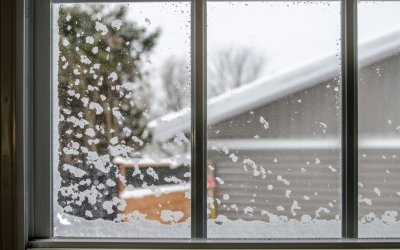
In sub-zero temperatures, dozens of lorry drivers had been stranded on the road, waiting for the blockade to be lifted and the border to reopen earlier than announced.
“Freezing temperatures, no toilets, the Greeks do whatever they want” – the hardships faced by hauliers at the border continue.
Tsvetan Iliev, lorry driver, said:
“I was heading for Serres. I was delayed by 15 minutes, and those 15 minutes proved fatal. I have goods that I need to collect, but unfortunately it didn’t happen.”Another driver, Mihail Vlahov, added:
“I’ve been here since yesterday lunchtime. Sub-zero temperatures, as you can see. There’s nowhere to go to the toilet, nothing you can do. For a month and a half these Greeks have been doing whatever they like. In a moment I’ll start the truck and head home.”
After 26 hours of blockade: Greek farmers reopen traffic through Kulata–Promachonas
Hours-long waiting times at the border are increasing losses for the transport sector.
Yordan Arabadzhiev from the Union of International Hauliers said:
“One hour of forced waiting at the border costs a haulier between €10 and €12. If a driver is stuck for 10 hours in these temperatures, this generates serious losses. It forces changes to delivery schedules and to the entire operational approach of transport companies.”

Photos by BTA
According to the mayor of Petrich, Dimitar Bruchkov:
“Unfortunately, we have been going through this for several years now, especially during the winter. It clearly affects local businesses, because in municipalities like Sandanski and Petrich the gross domestic product is largely generated by transport companies.”
Blockades remain in place in many parts of Greece’s interior, with the most serious disruptions reported near Thessaloniki and Larissa.


 Minister of Energy Iva Petrova: The Danube's Water Level Remains Critically Low
 The Election of Bulgaria's Seventh President Will Be Decided in a Run-off on November 1
 "Това е победа на смелостта над страха": Студентите в Сърбия ликуват след триумфа на изборите










 Чуй новините
 Подкаст