Mass protests against the 2026 budget took place in the country's major cities
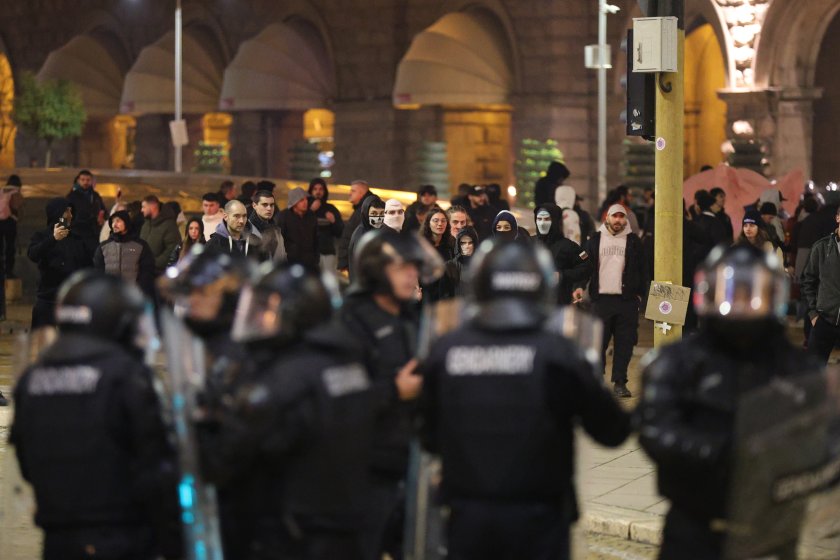
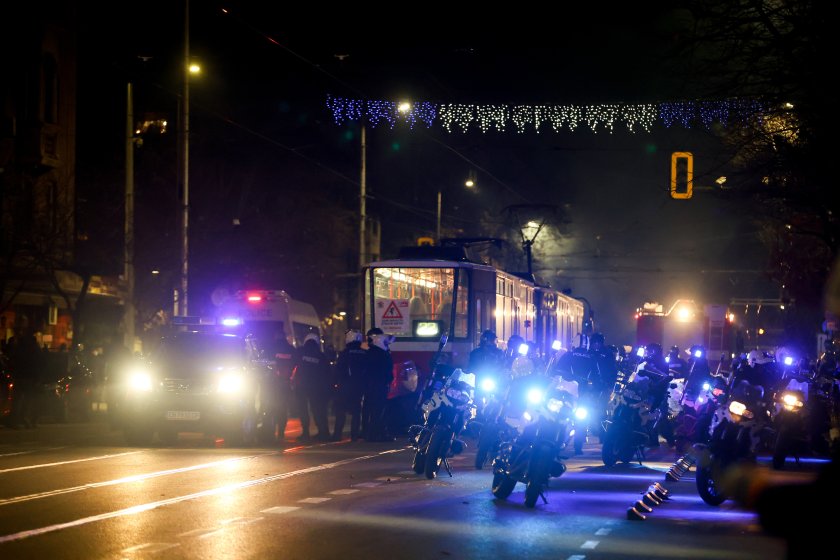
Widespread demonstrations against the proposed 2026 budget took place in major Bulgarian cities, prompting the government to withdraw the bill. Last night’s protests in Sofia, however, were marked by provocations, clashes with police, and a number of arrests.
Discontent with Budget 2026 draft found its expression on the square in the centre of Sofia.
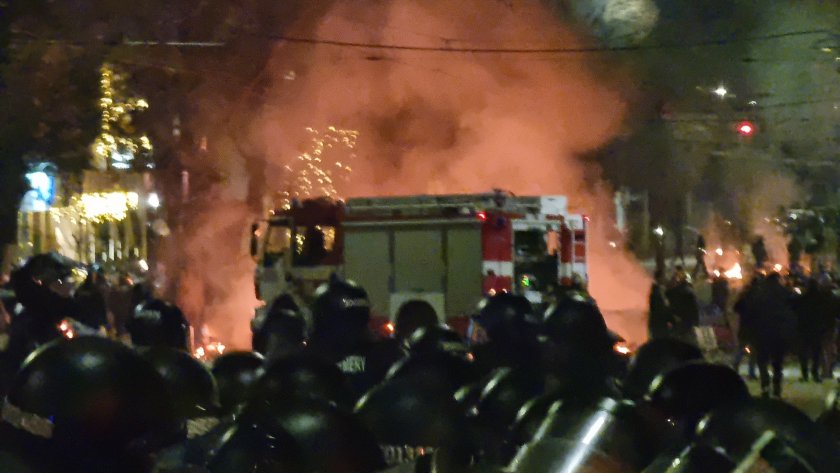
“The budget is the trigger for people taking to the streets because they feel the government is acting against the public interest, digging ever deeper into our pockets while providing nothing in return: education, healthcare, social services, infrastructure – all are in a shocking state,” said protester Bozhidara Kostadinova.
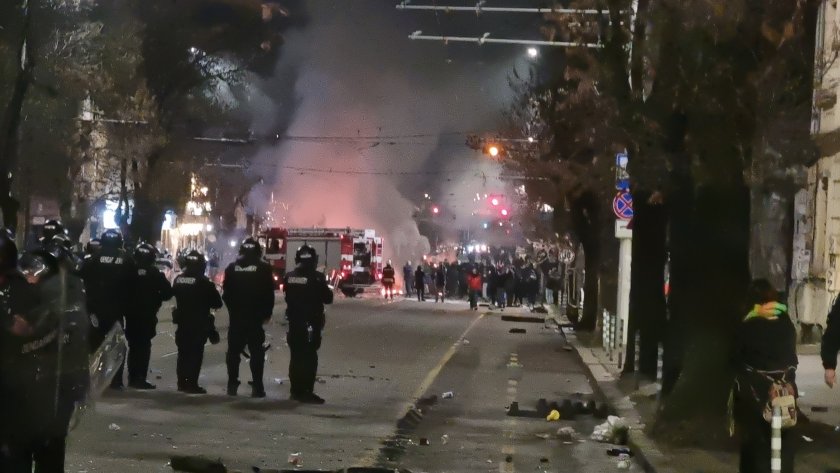
“I want to defend my country and the right of everyone on this square to live in a better state. How can they have the audacity to rob us? All the young people are leaving the country because of them,” she added.
Over 70 people were reportedly detained following the protest in Sofia.
Protester Teodora Bozhilcheva said: “Who ordered this chaos? The current government is stealing from us, harming all citizens. They made a huge mistake angering the millennials and Gen Z, because there’s no stopping us now.”
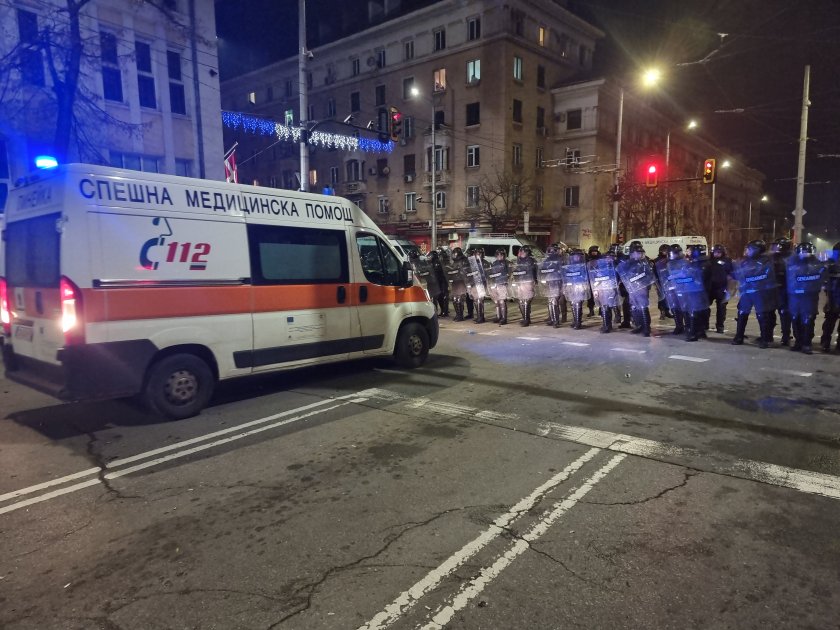
Protester Nikol Manolova commented: “I don’t think this protest is just about the budget. The budget was the last straw for the patience of Bulgarians.”
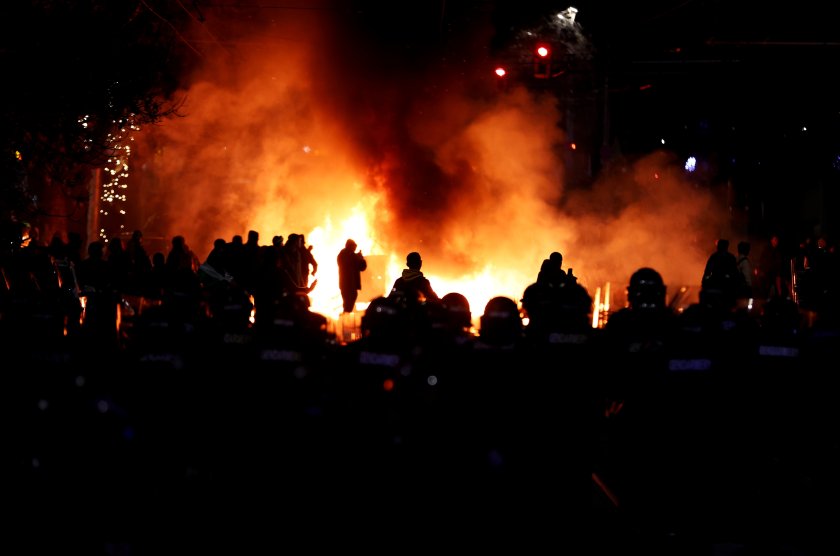
“The 2026 budget is audacity with a capital ‘A’.”
“Why with a capital ‘A’?”
It’s a reference to Delyan Peevski (MRF-NewBeginning Leader) supposedly shaping the country with a capital ‘C’. In reality, however, he has done nothing—nothing for the young, nothing for the elderly.
“And everyone who hasn’t read Animal Farm should do so and take it as a lesson.”
The protest then turned into a march, heading towards Vrabcha Street, where the headquarters of the DPS – New Beginning party is located. On the yellow-paved streets, masked youths in hoodies mingled with the demonstrators. Others, concealing their faces, took advantage of the darkness caused by a power outage near the university and also joined the crowd. The first objects, including firecrackers and smoke bombs, were thrown around 9:30 pm.
“Several windows were broken, and the crowd got very close, prompting a police response,” a source said.
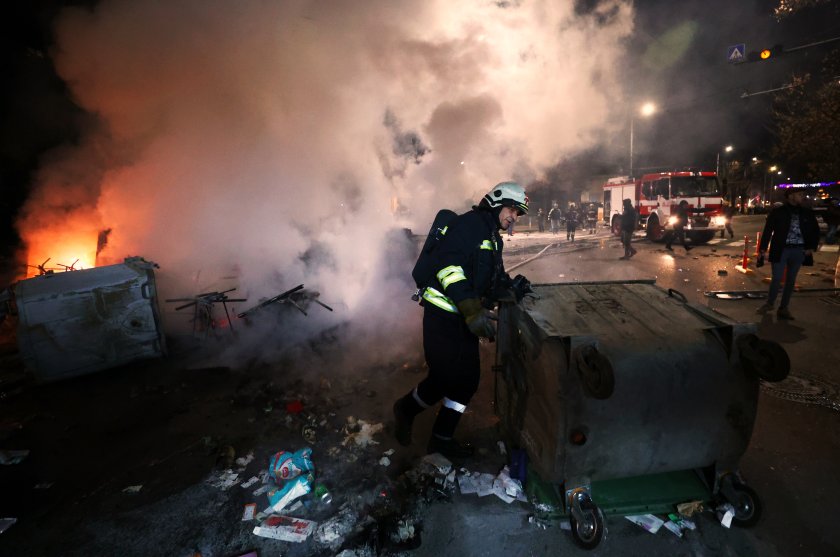
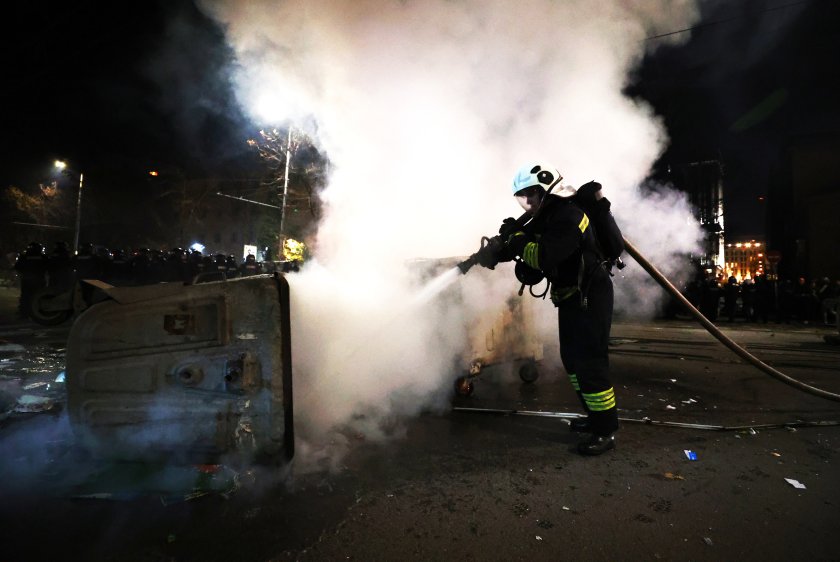
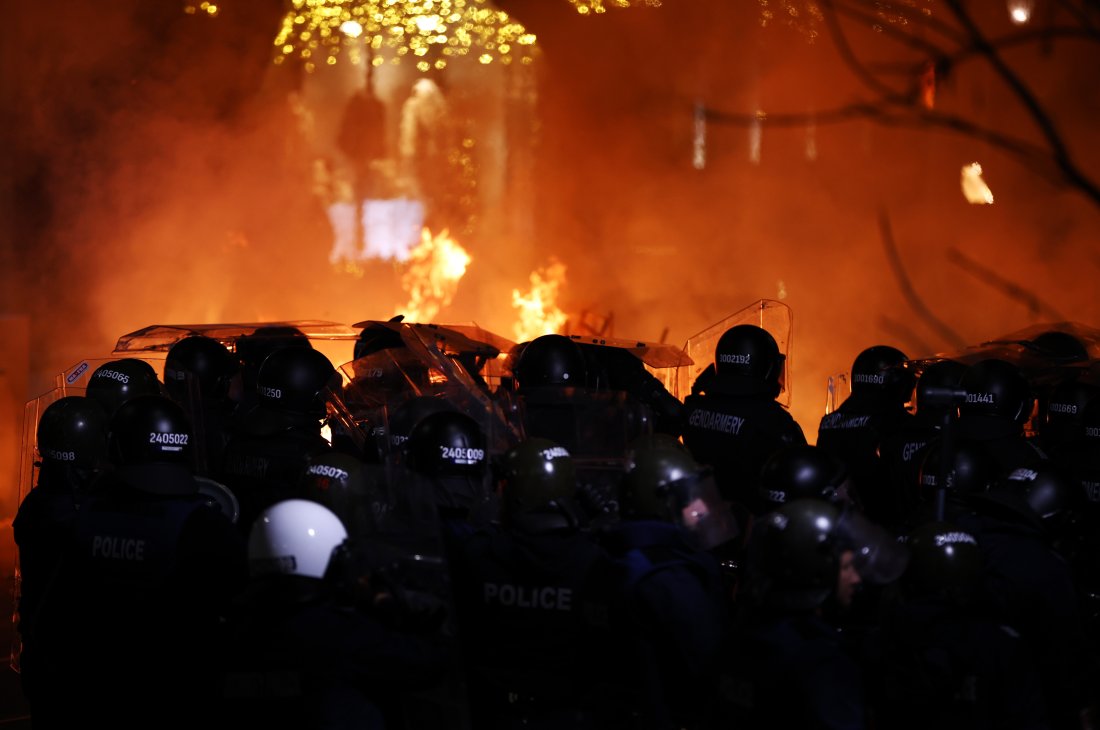
Minutes after 10 pm, the blockade moved to Dondukov Boulevard, the second flashpoint of serious tension. Behind a dense cordon of uniformed officers, the first bins were set alight.
“It’s getting late, masked individuals are arriving and want to have fun in a different way,” a witness commented.
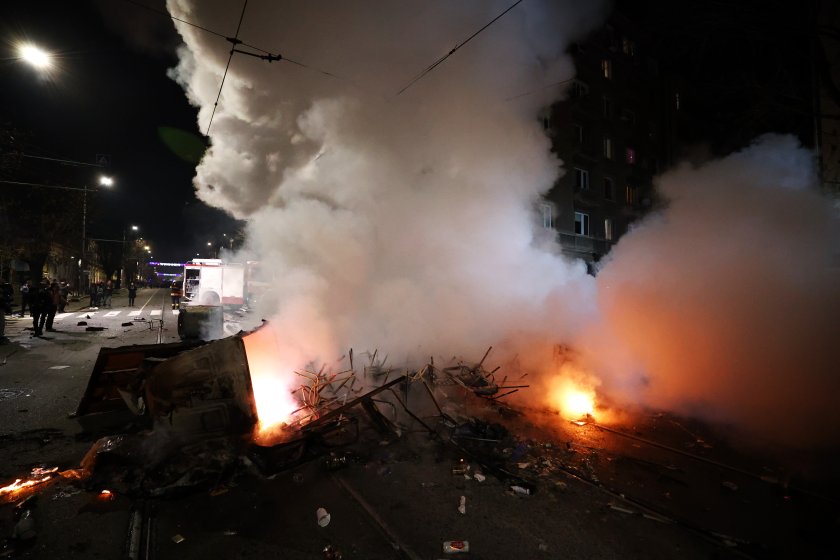
Radoslav Aleksiev, a protester, said: “The police were the first to advance towards us with their shields. I then stood at the very front again, as I am now, without a mask, without anything, and remained peaceful. There were many provocateurs, and while a number of provocations came from them, most came from the police.
“The police motorcyclists began arriving and striking people at random, which is why we fled the area. In my view, provocateurs triggered much of what happened, but there were also inadequate decisions made by the police.”
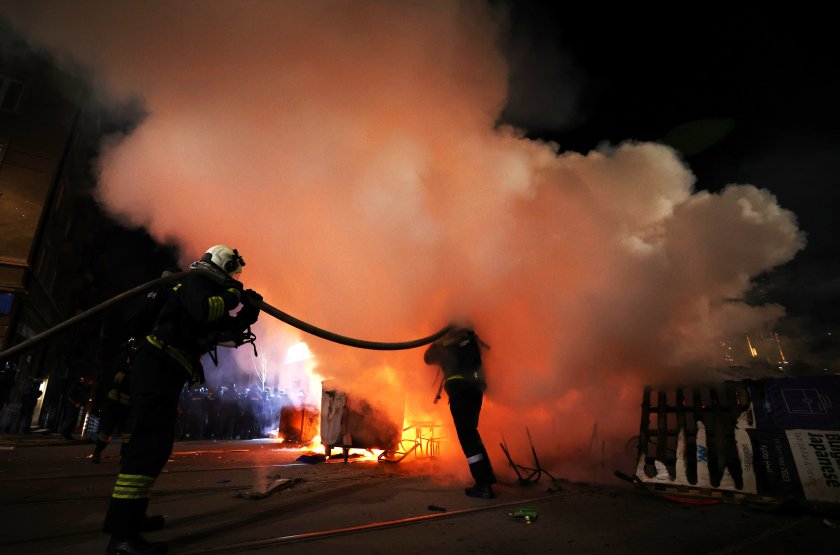
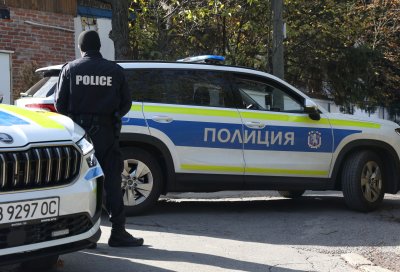
Gendarmerie vans and vehicles were smashed. The next target was a nearby GERB office, which was broken into, with its contents set alight outside. Another attack followed against the riot police, with more bins and objects thrown.
“Furniture was taken out from inside and set on fire, along with the flag,” witnesses said.
“The last half hour saw acts of vandalism. These were not protestors, these were provocateurs.”
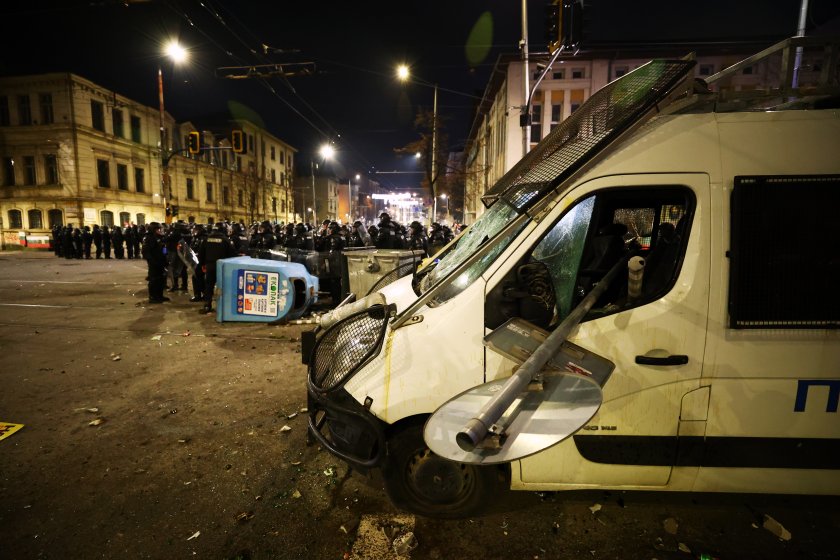
“These are not part of the protesting citizens of Sofia; these are entirely paid youths and people currently sowing disorder and unrest,” one observer said.
“These vandals you see are not part of the peaceful protest; they are so-called ‘little provocateurs’. The police are not to blame. The entire system needs to be changed — this is no longer about the budget.”
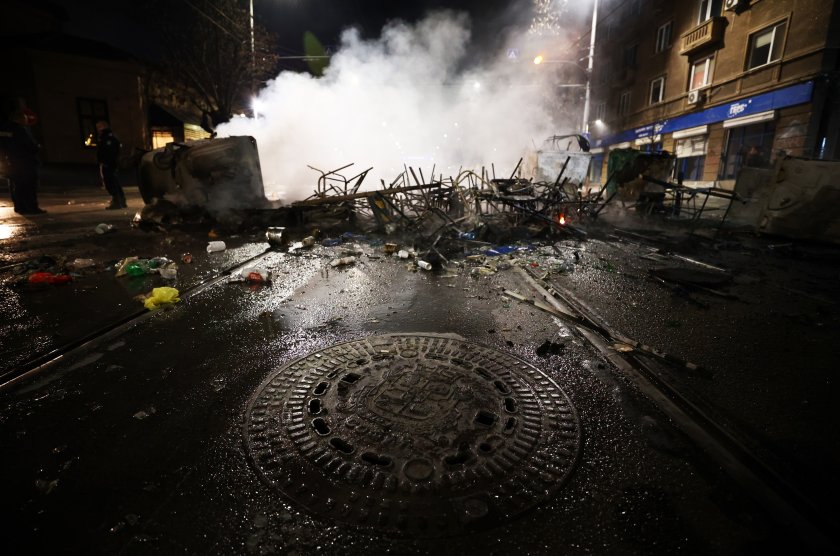
Gradually, the demonstrators wearing masks and hoodies returned to where the protest had begun — the Triangle of Power. Along the entire route down Dondukov Boulevard, they set fire to bins and threw smoke bombs, while police pursued them with tear gas. Minutes after midnight, arrests were still taking place at Independence Square. Ten people sought medical attention at the ISUL emergency department following the protest.
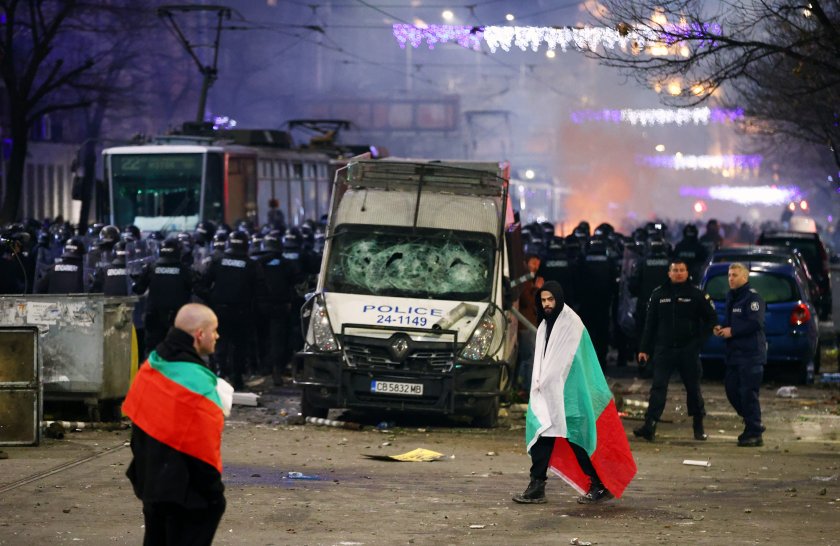
Sofia’s mayor, Vasil Terziev, questioned whether the security checkpoints had effectively carried out their duties.
Vasil Terziev, Mayor of Sofia, said: “The largest peaceful protest in many years was marred by a group of hooded hooligans, and it is extremely painful to watch the city being damaged. To what extent the checkpoint system was functioning, and whether people were being checked for fireworks and other objects, I believe these questions need to be addressed by other authorities.”
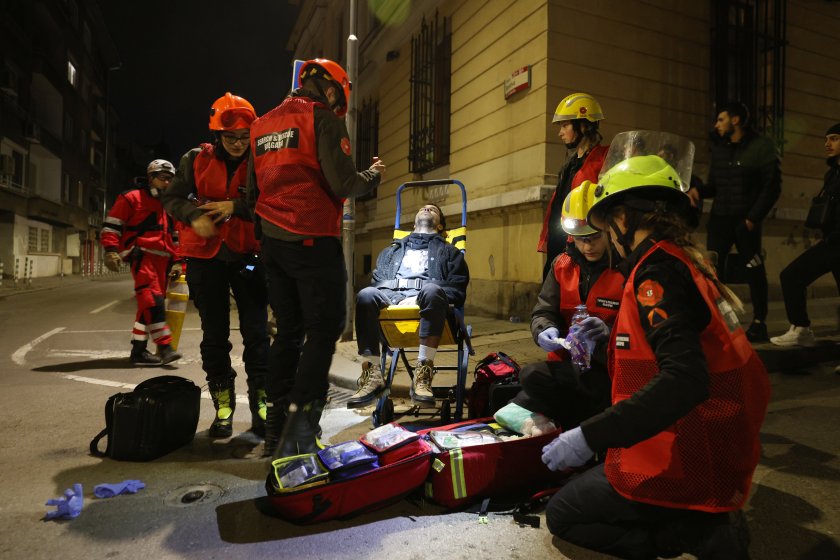
Amid the height of the tension, central Sofia experienced a power outage. “Electrohold” explained that a fire in a collector caused the shutdown of 15 medium-voltage feeders supplying parts of the city centre. Energy Minister Zhecho Stankov issued a statement expressing suspicion of deliberate interference and vandalism, and an official investigation has been launched.
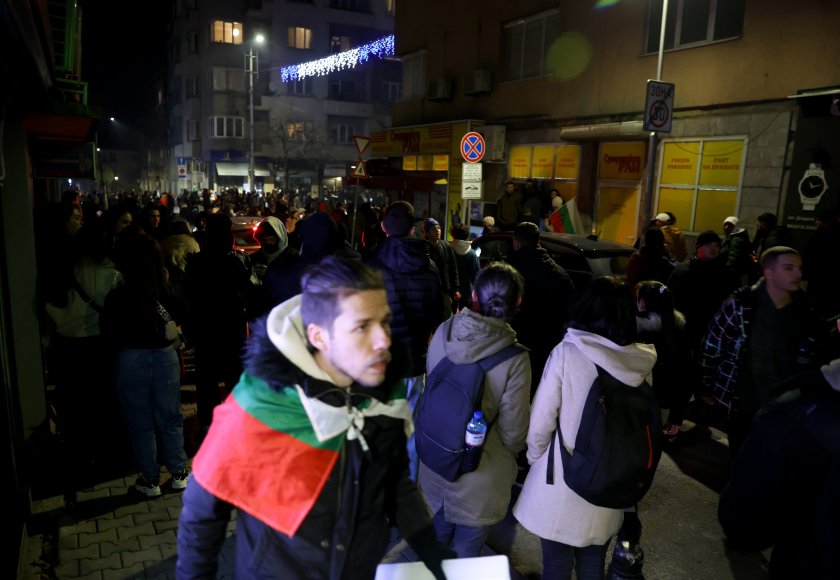
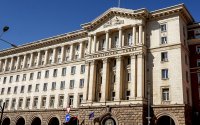
Before evolving into a freedom march, the protest filled the area of the “Triangle of Power” all the way to Sofia University, with demonstrators symbolically illuminating the mafia and corruption with their phone lights.
Photos by BTA


 Minister of Energy Iva Petrova: The Danube's Water Level Remains Critically Low
 The Election of Bulgaria's Seventh President Will Be Decided in a Run-off on November 1
 "Това е победа на смелостта над страха": Студентите в Сърбия ликуват след триумфа на изборите








 Чуй новините
 Подкаст